
%20detail%204.jpg)

-web.jpg)


.png)


-web.jpg)



























.JPG)









Fictional Syntheses
Berlin
Type
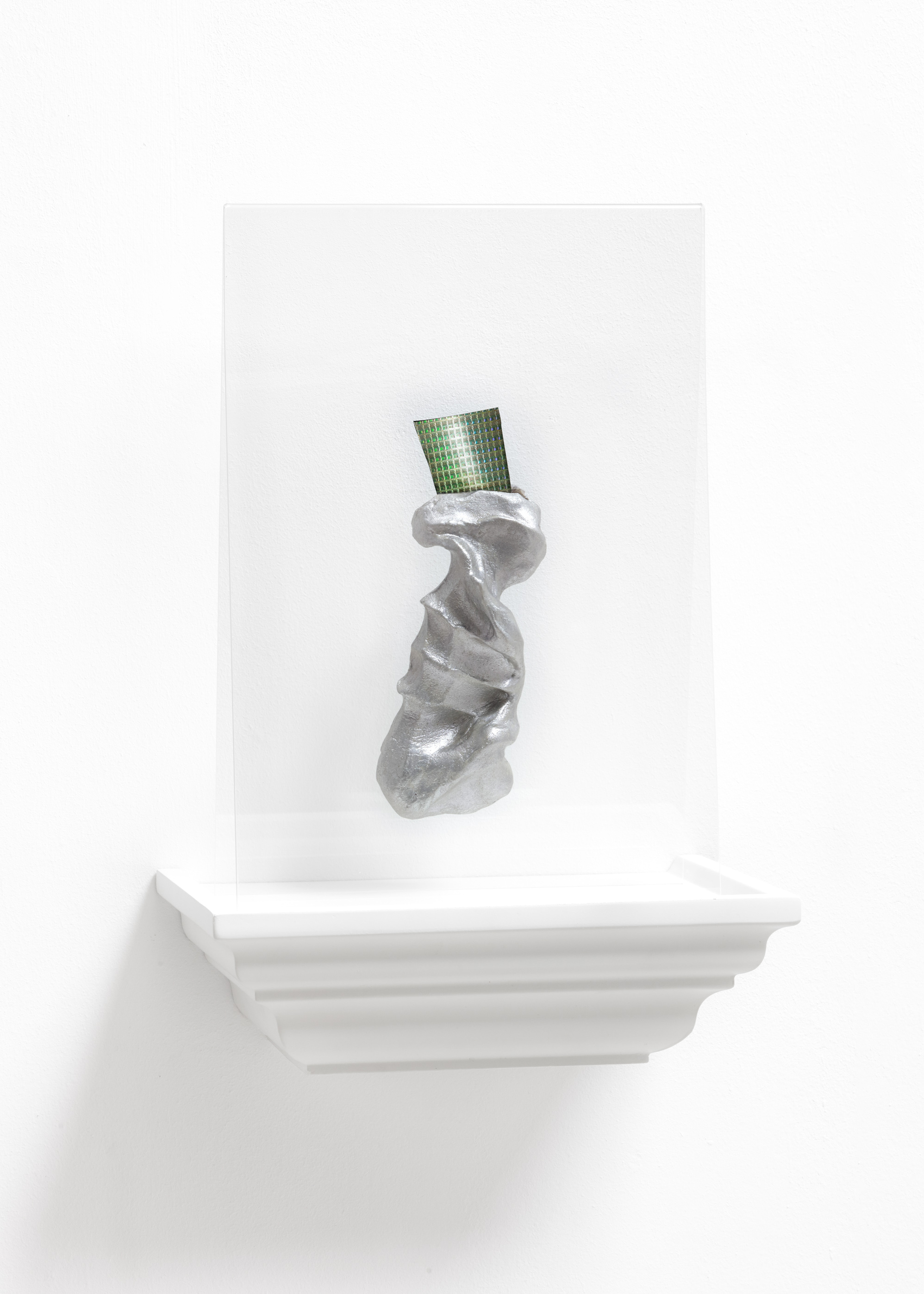
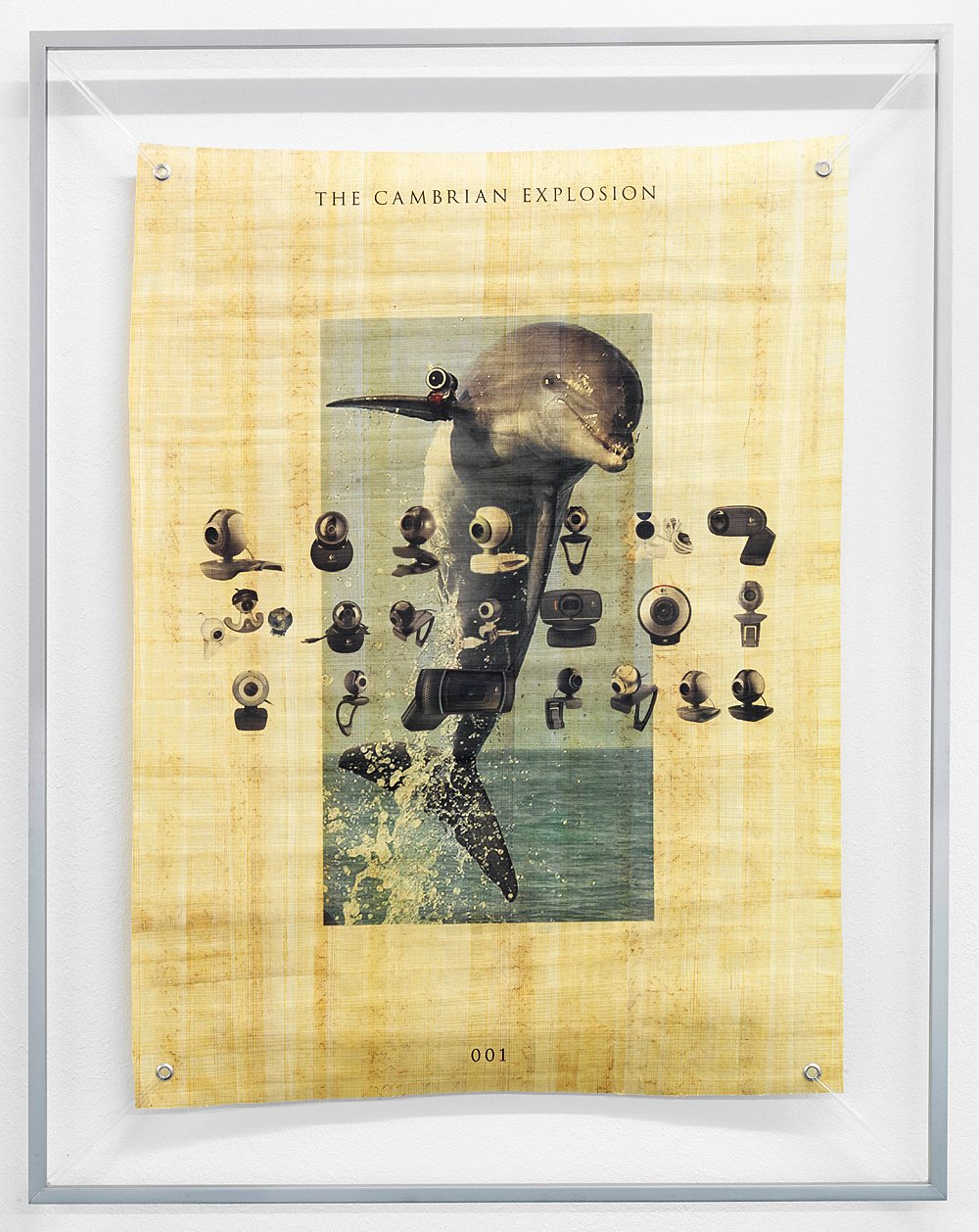
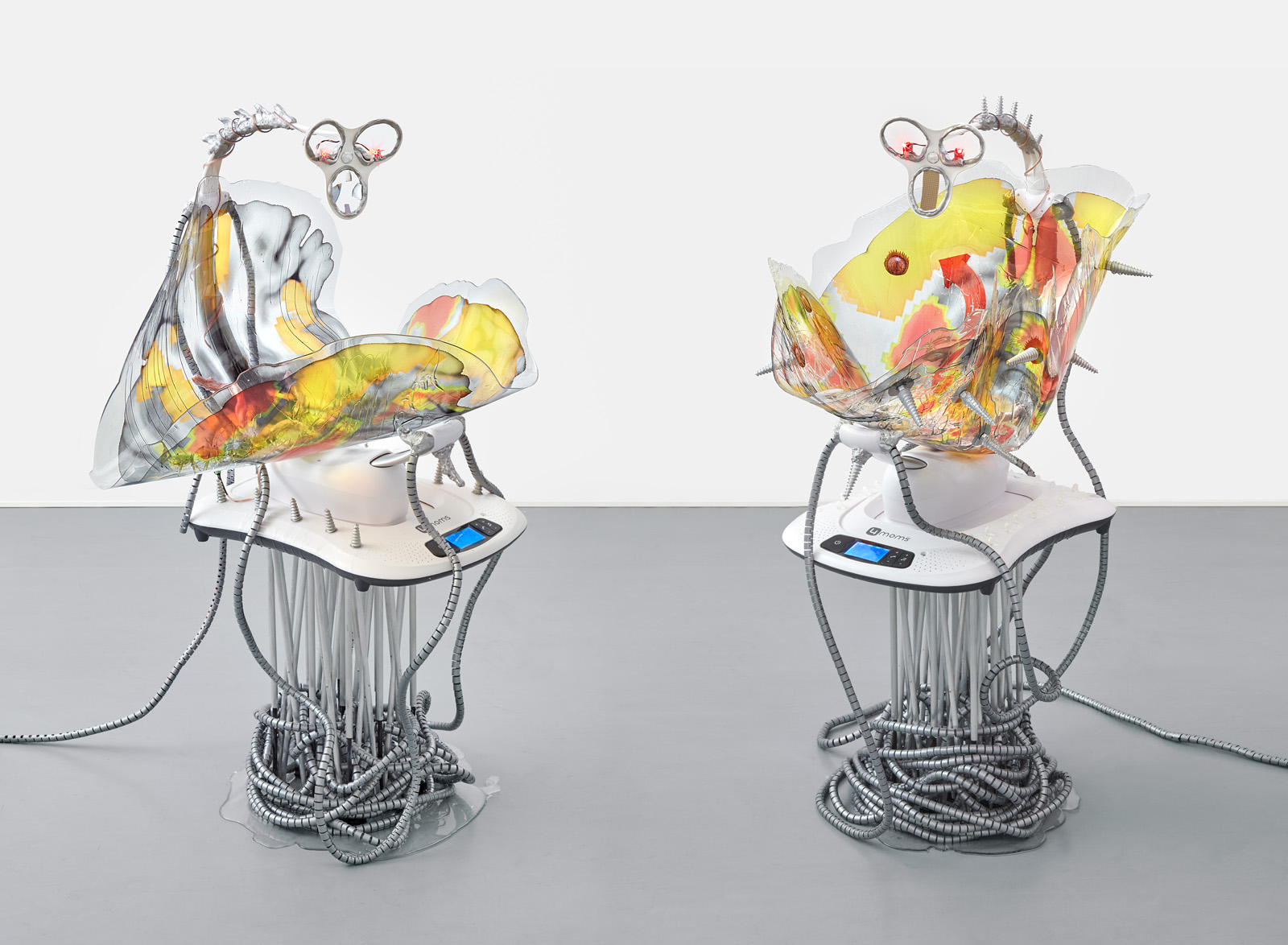
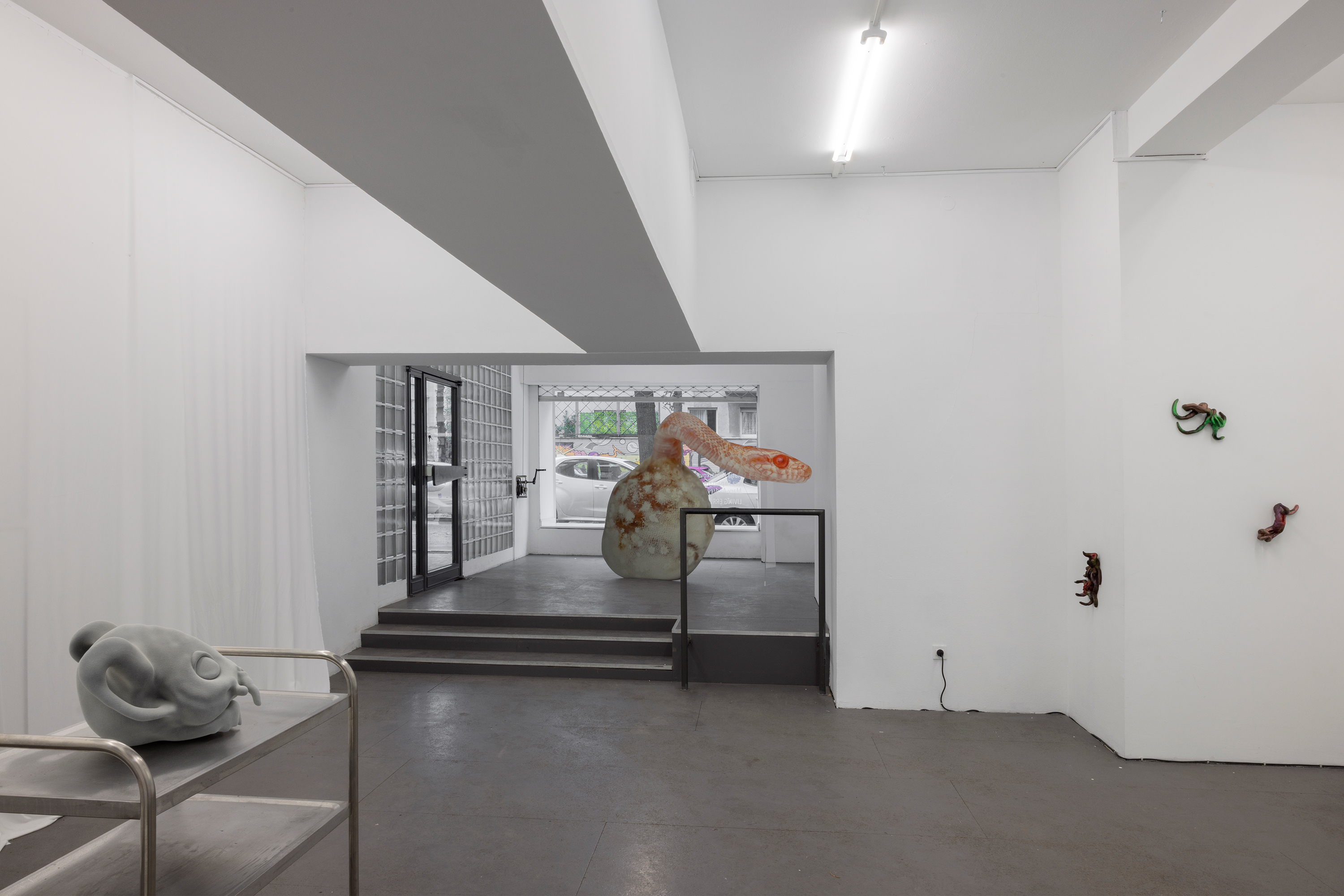
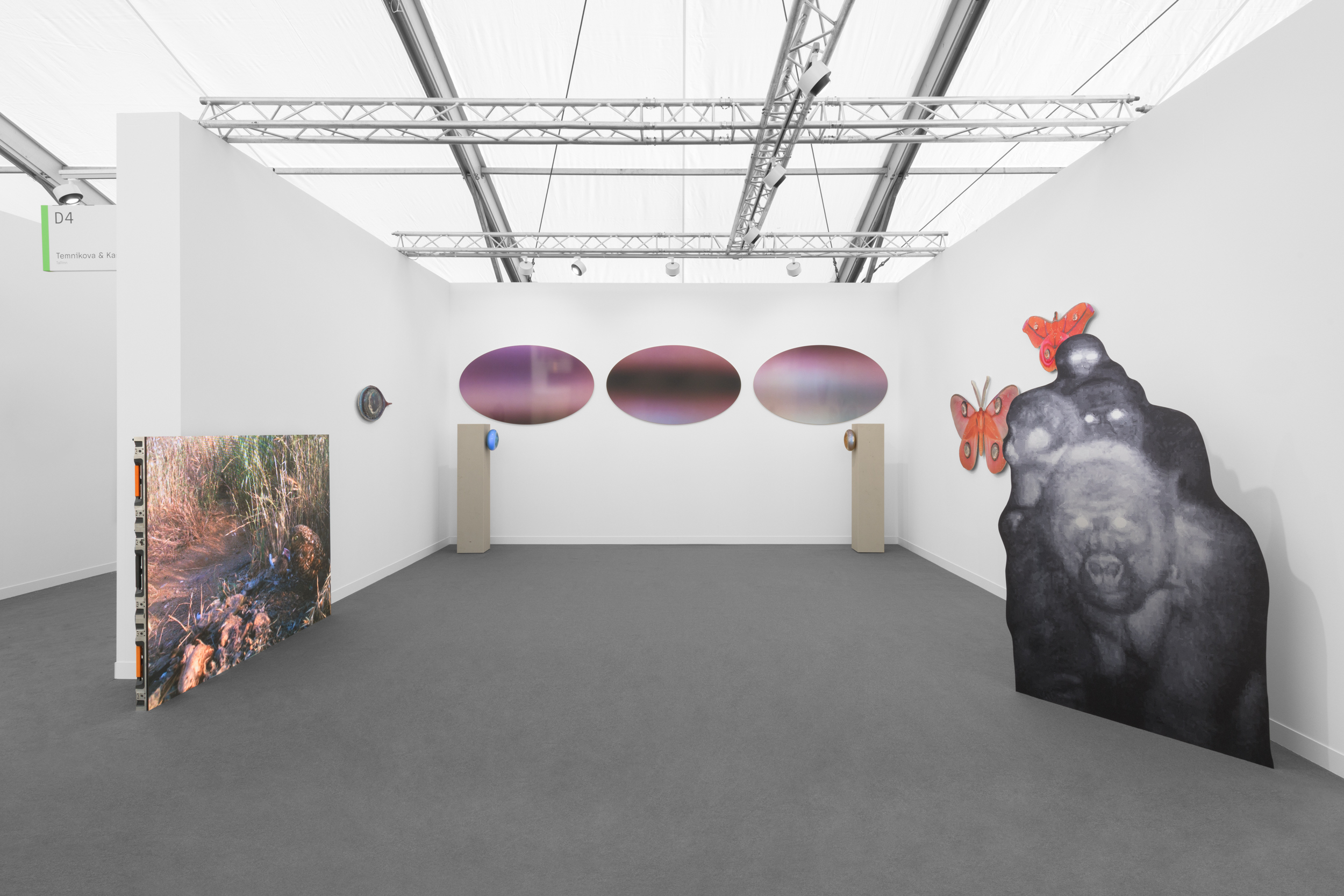
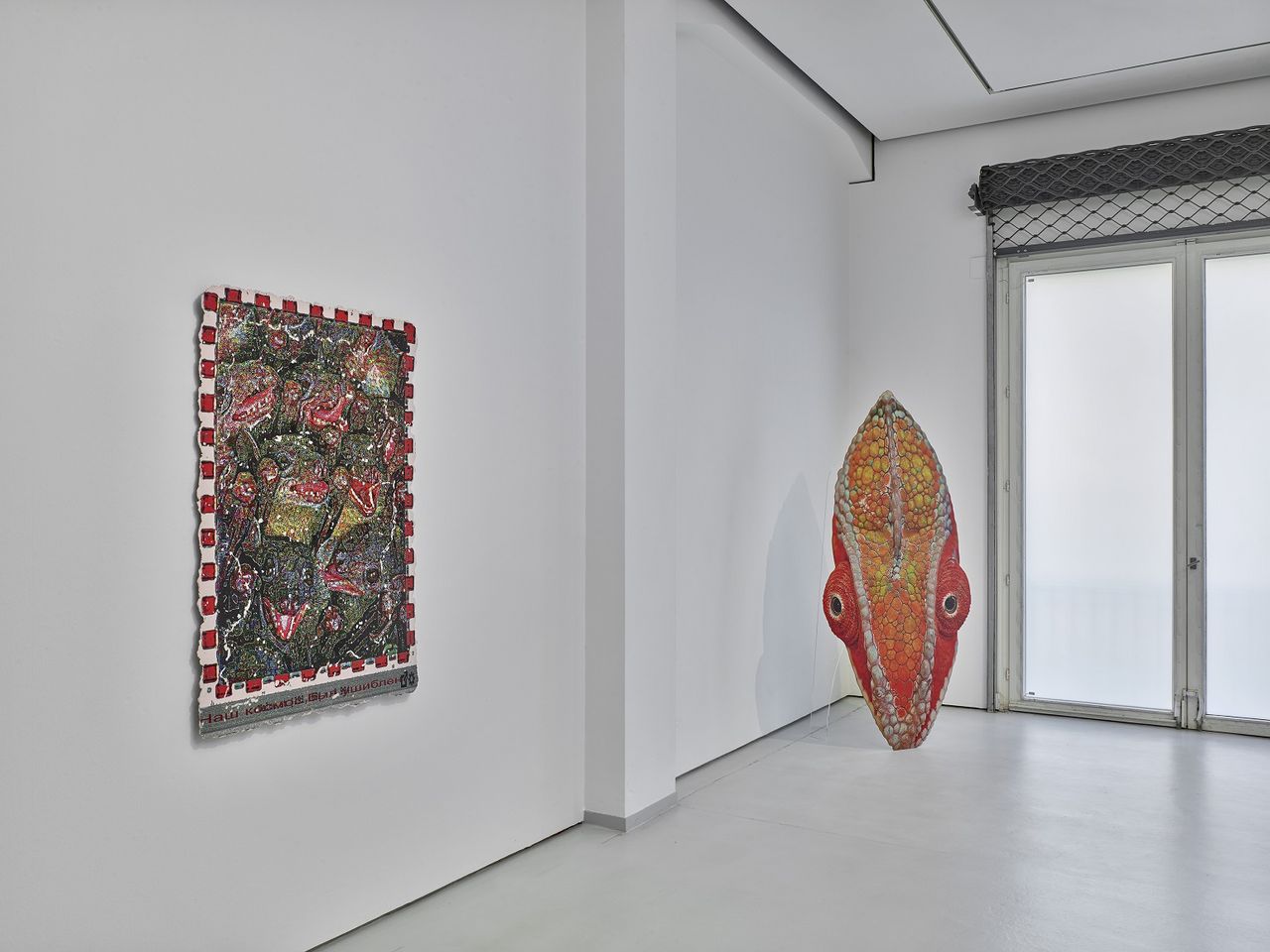
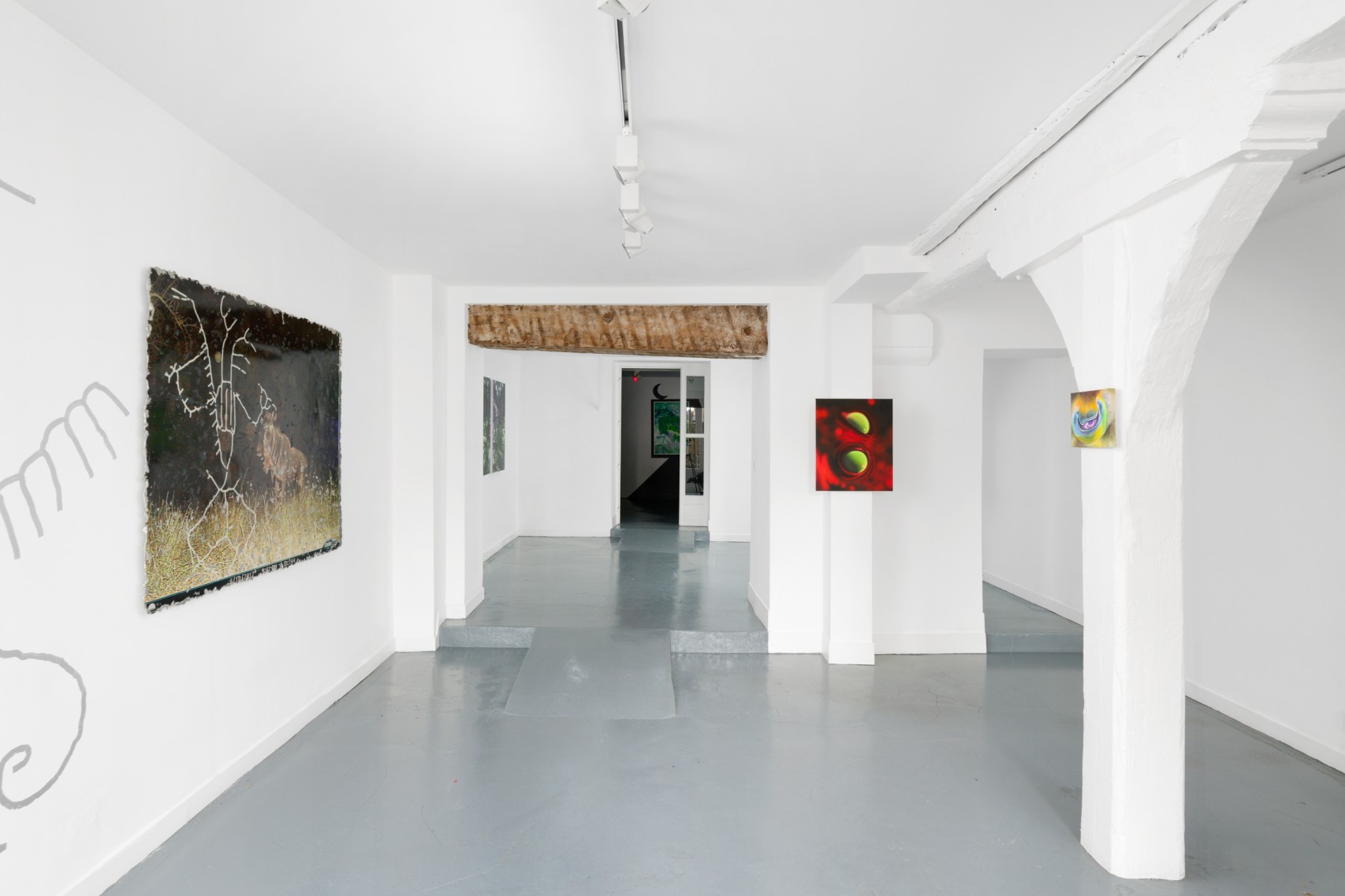
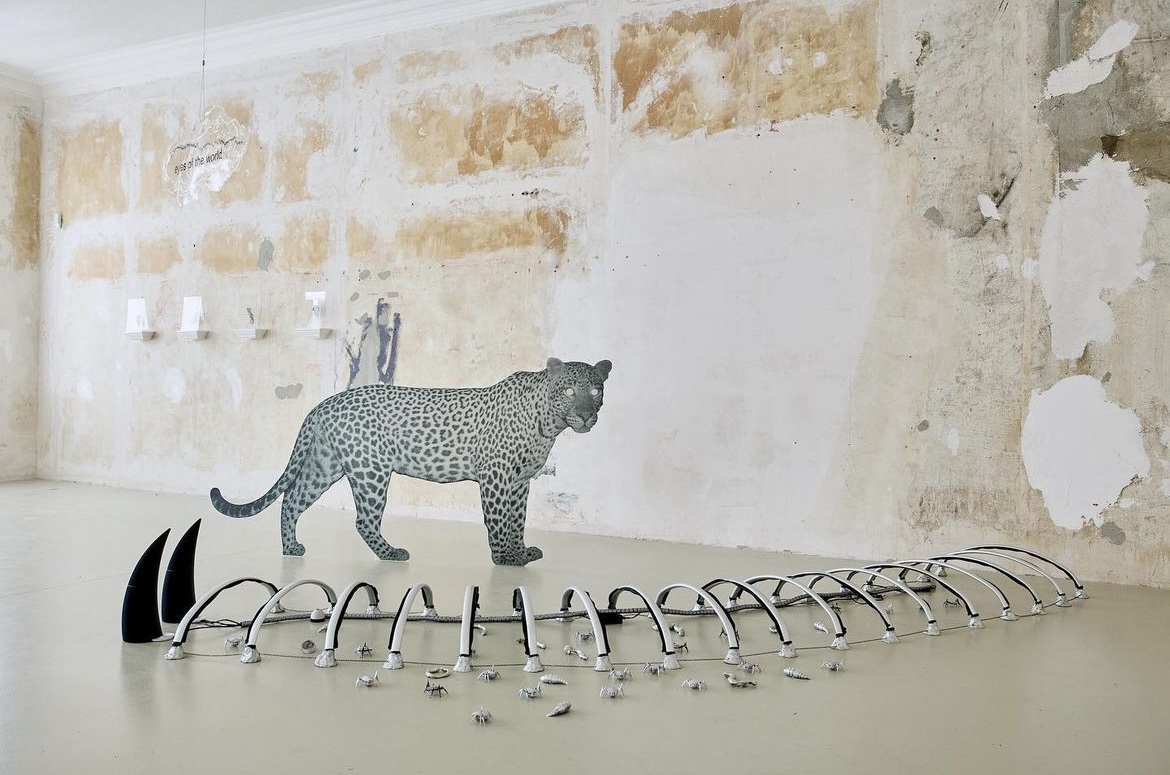
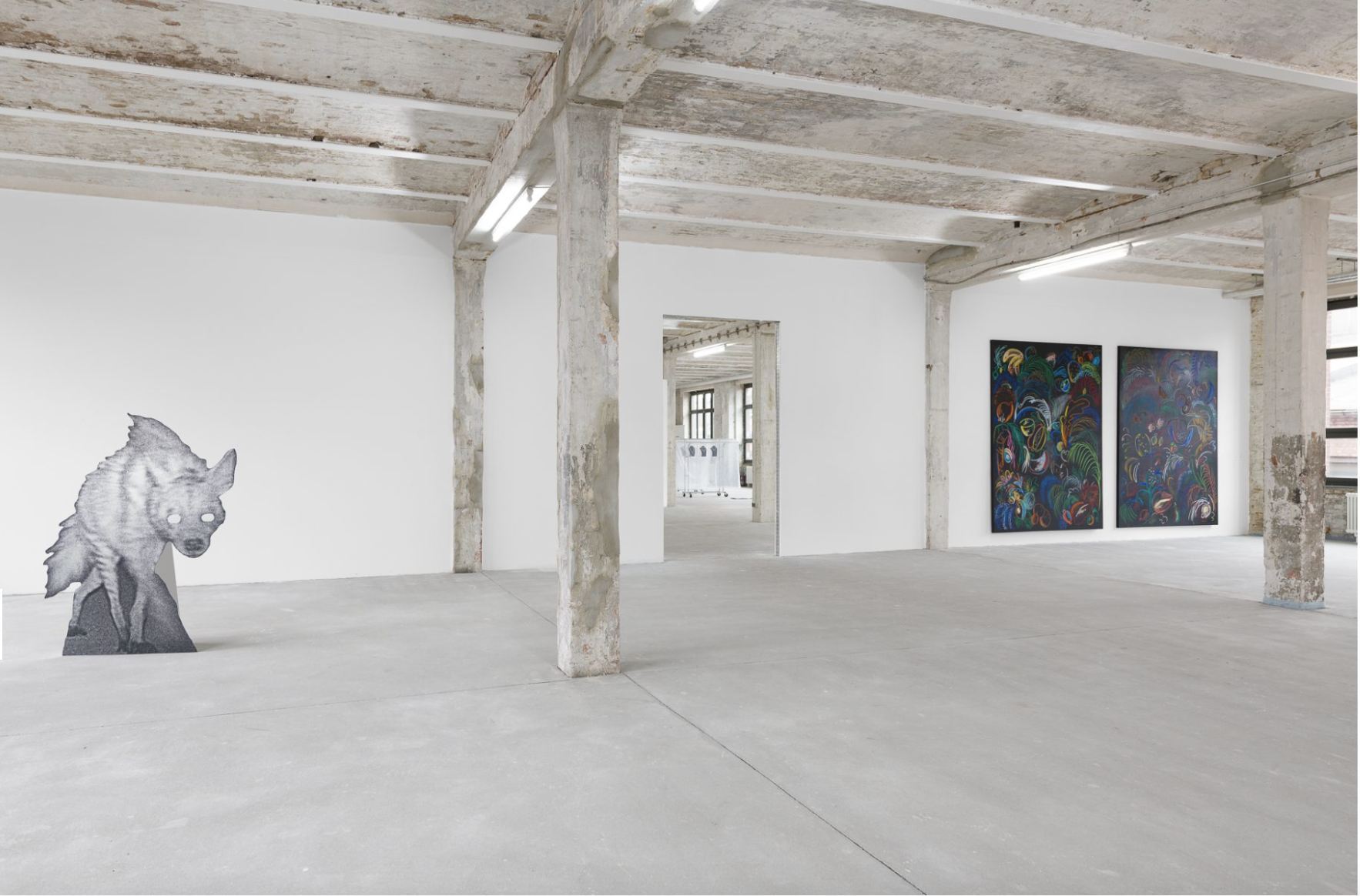
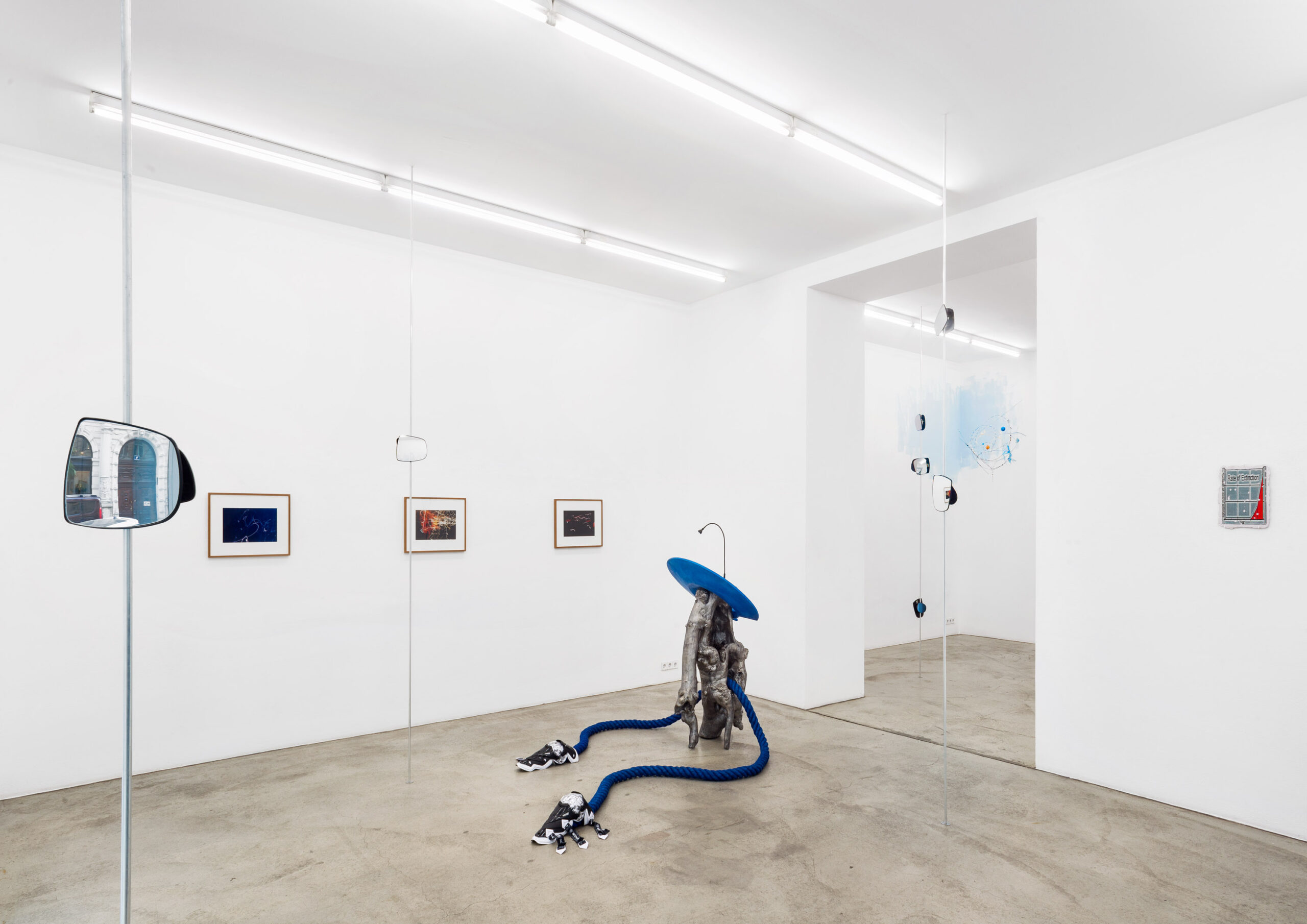
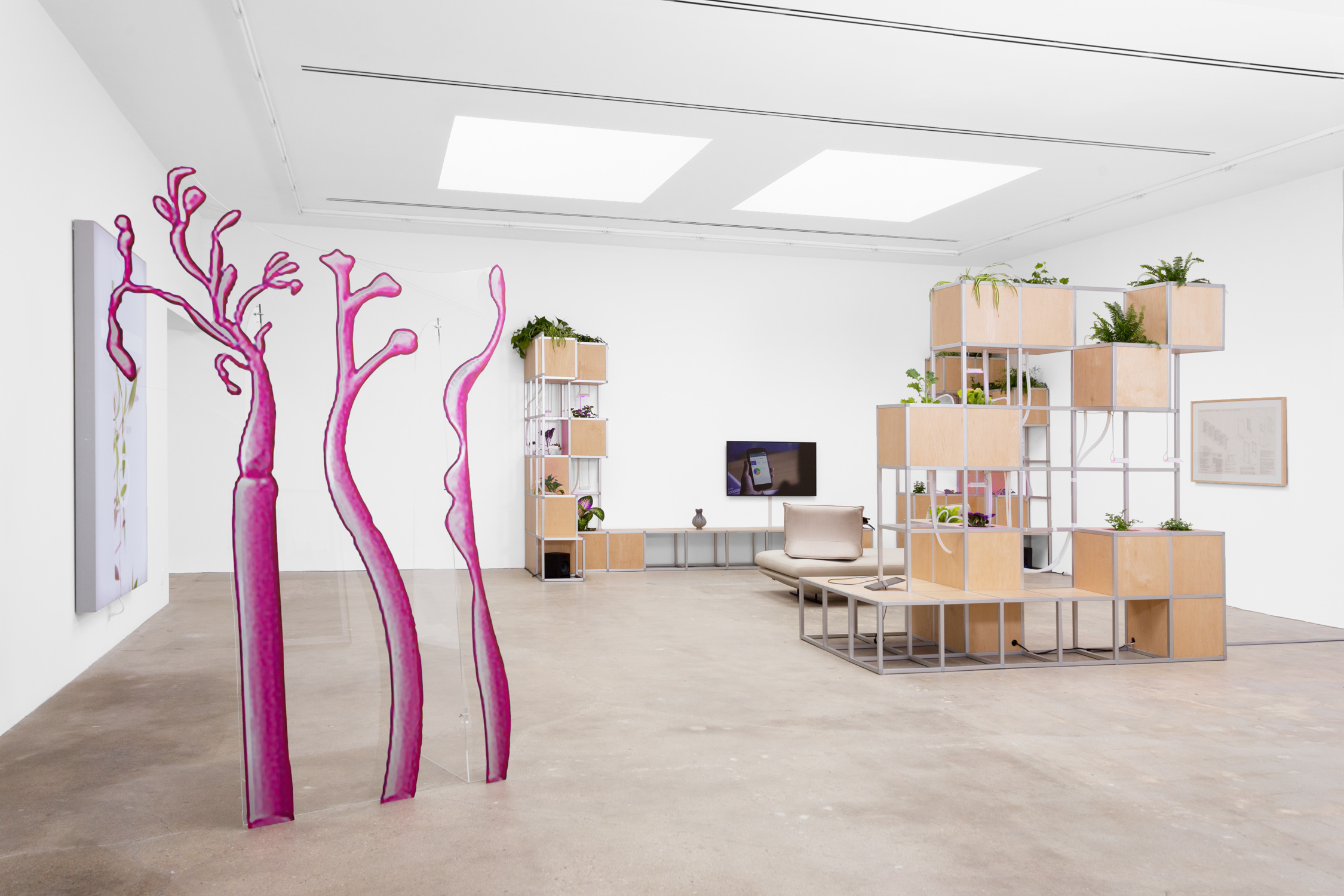
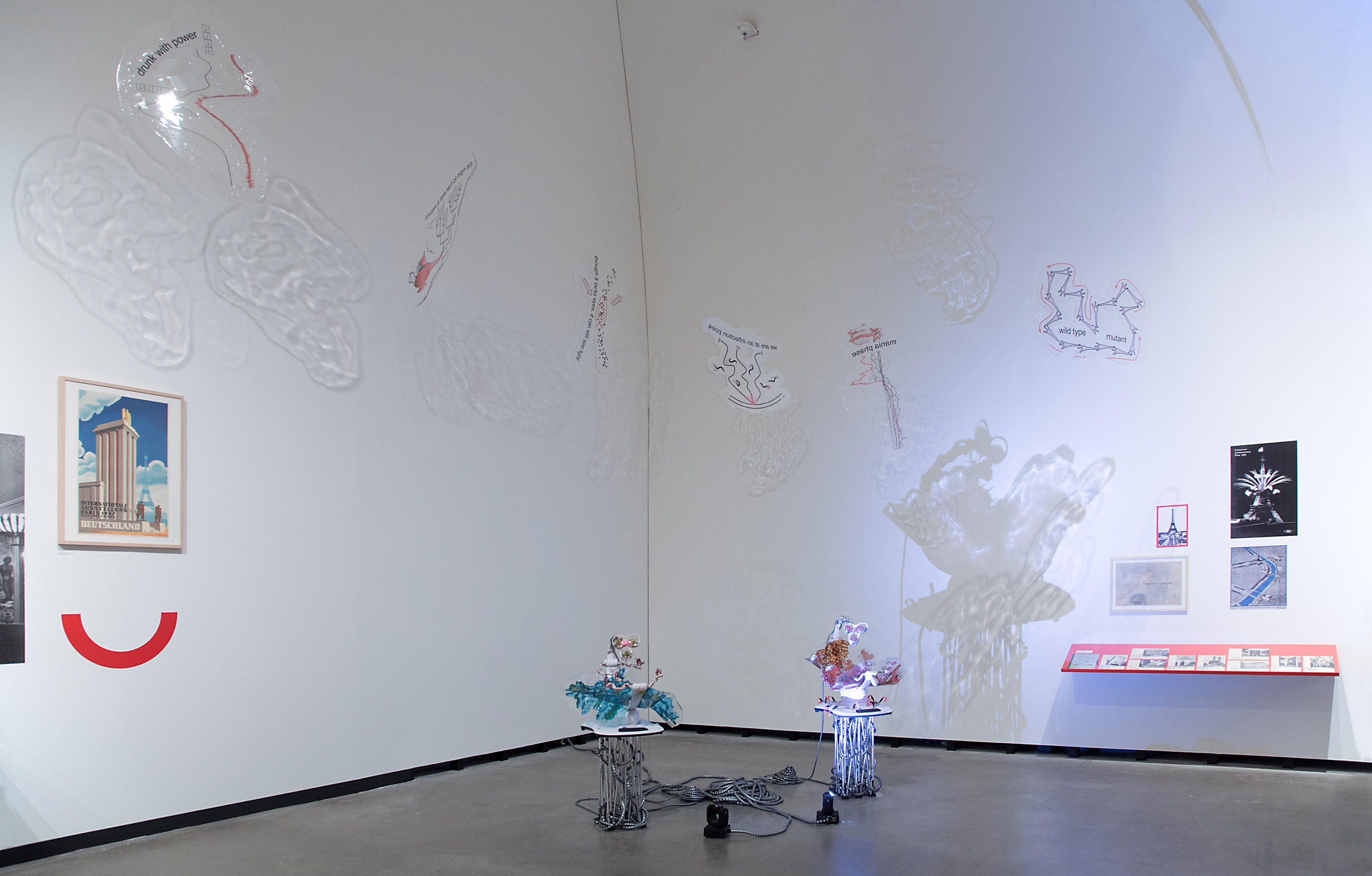
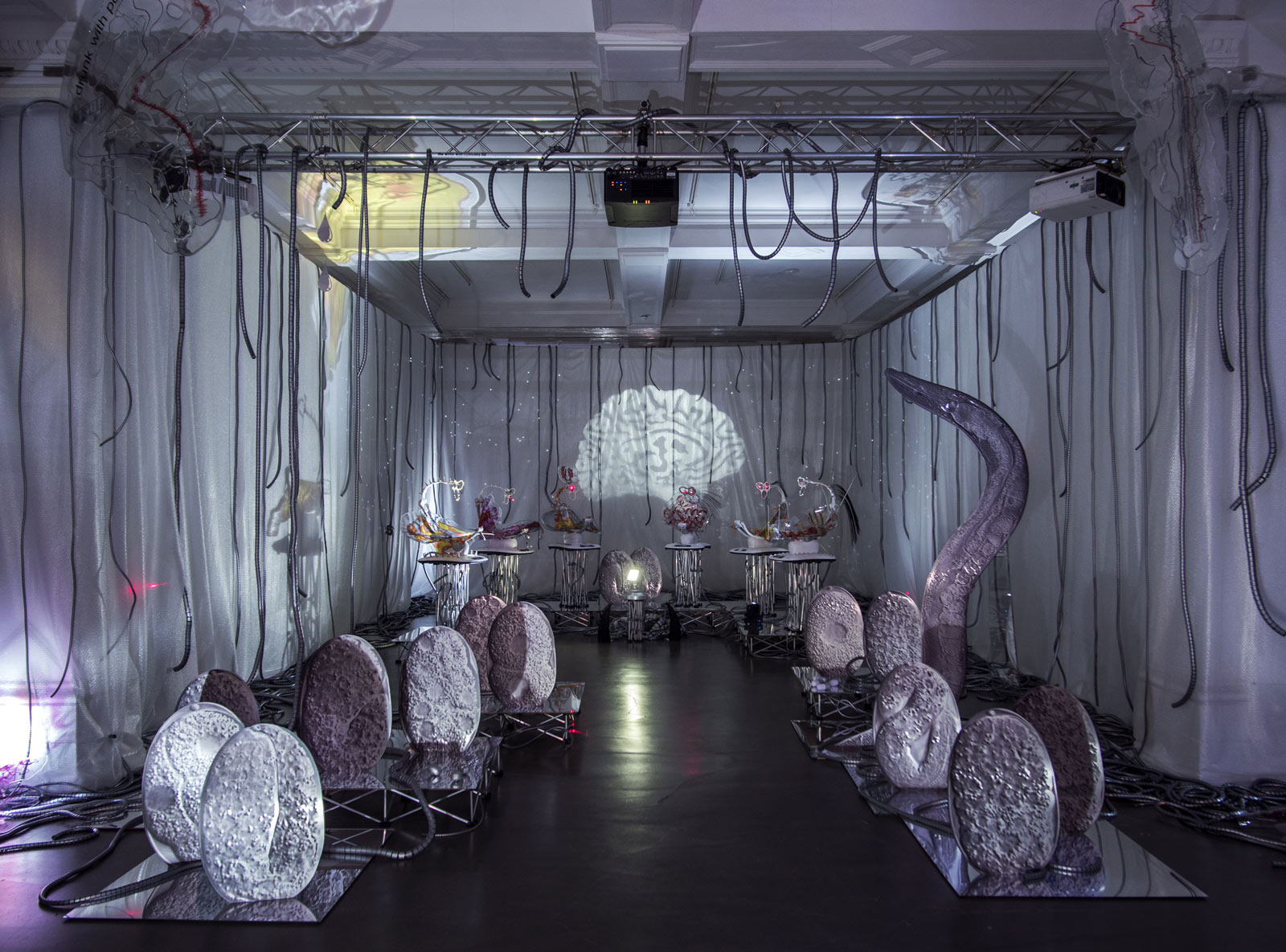
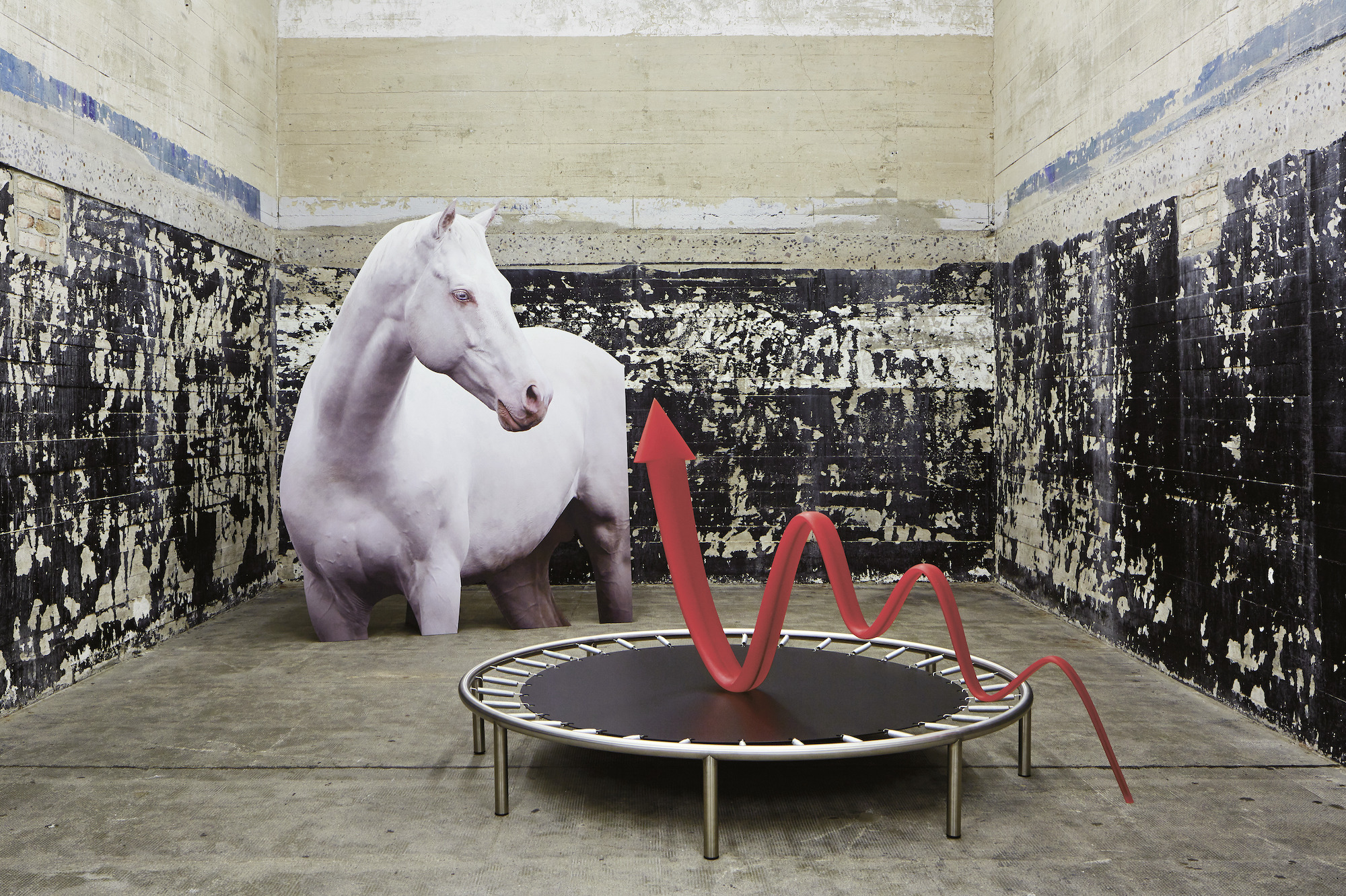
Group exhibition featuring the works of LOUIS EISNER, BRETT GINSBURG, GUAN XIAO, BROOK HSU, KATJA NOVITSKOVA, CAROL RHODES, NICOLÁS GARCÍA URIBURU.
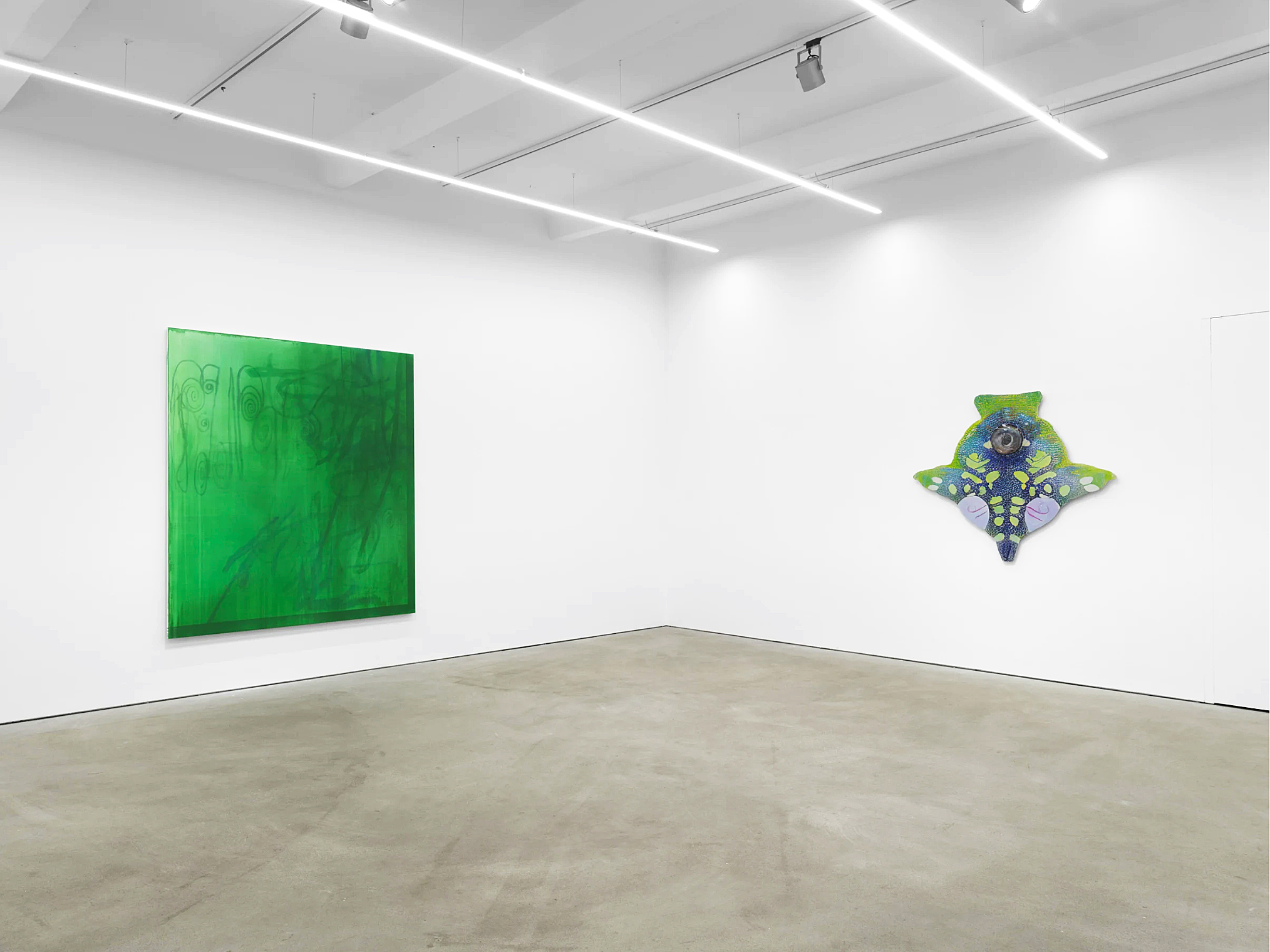
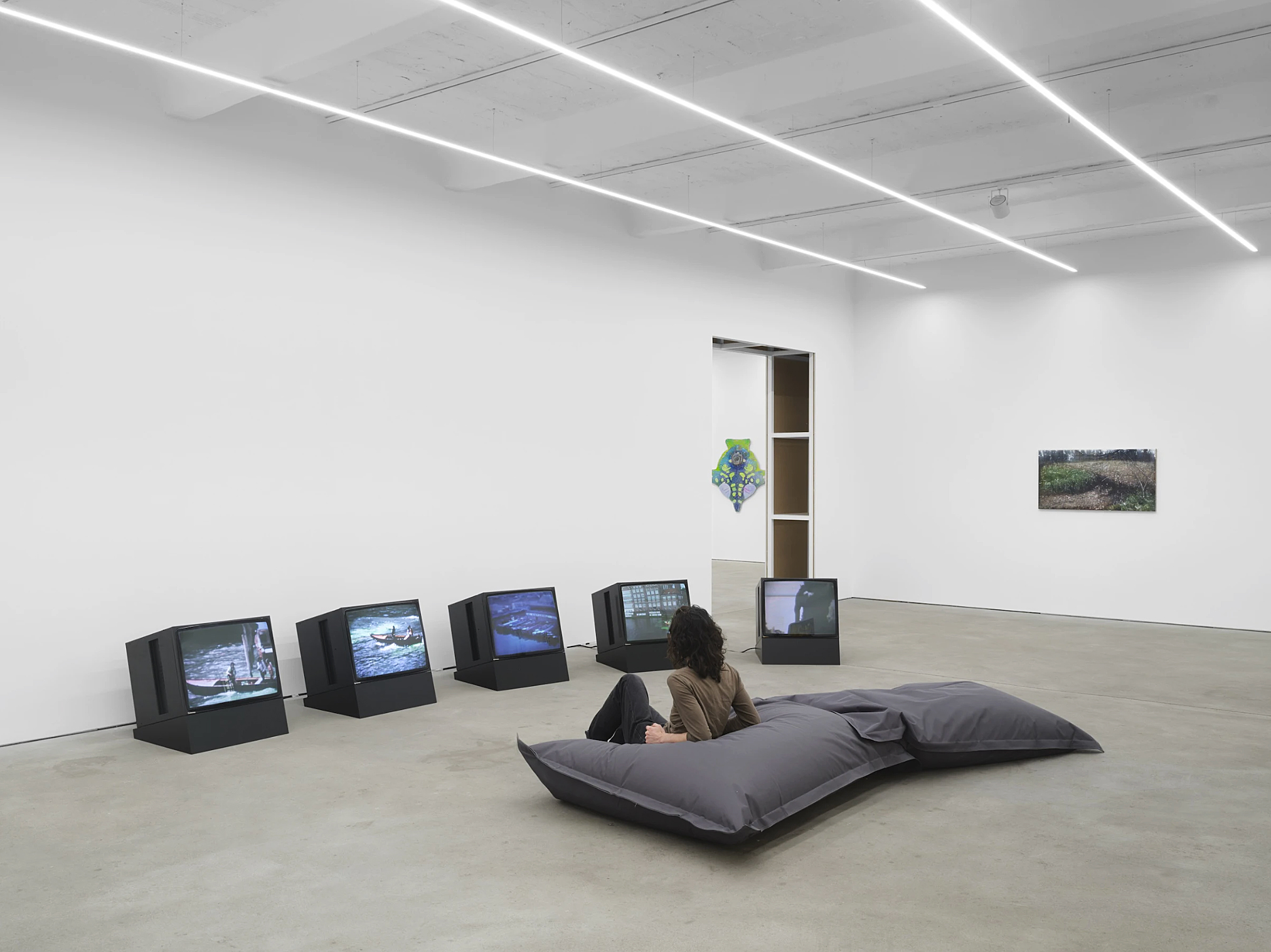
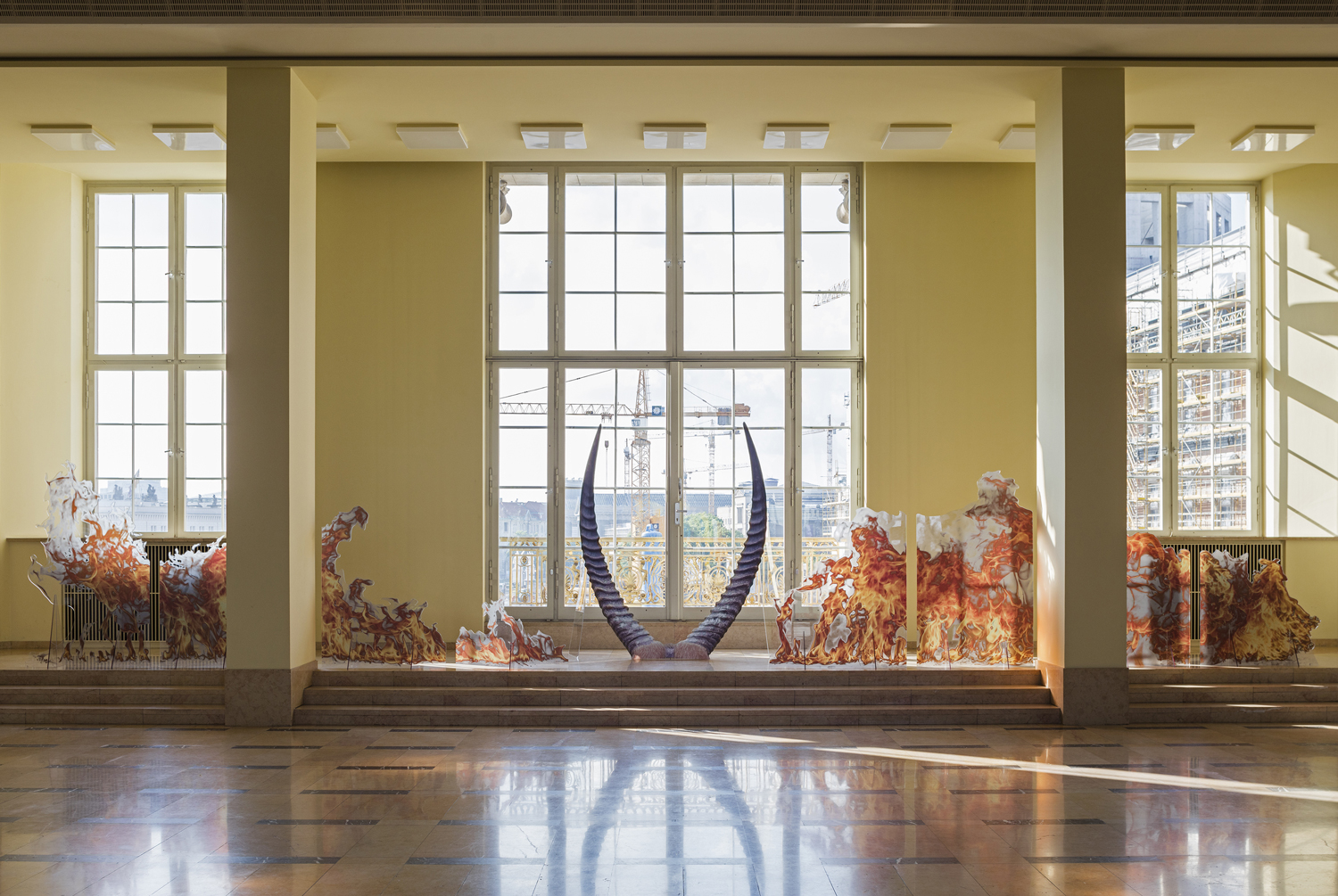
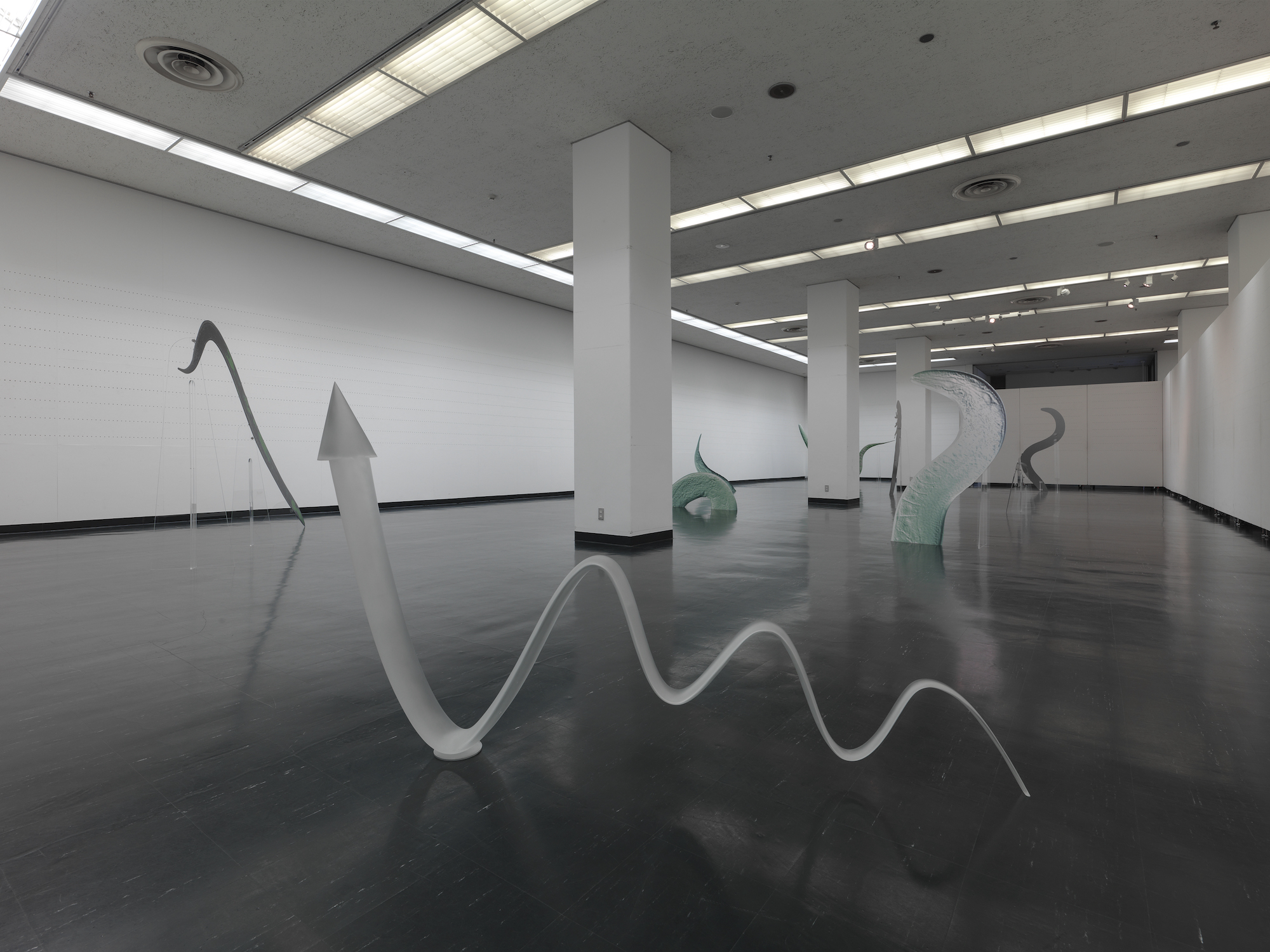
Fictional Syntheses features practices exploring non-canonical approaches to landscape. The exhibition builds around the Coloration series that NICOLÁS GARCÍA URIBURU carried out between 1968 in Venice and 2011 in Bremen. He dyed canals, rivers, fountains and lakes with fluorescein, an organic and ecologically harmless dye developed by NASA, dramatically altering the look of the urban landscape to raise awareness of environmental crises, and the connection between nature and civilization.
On June 19, 1968, Uriburu made a transgressive gesture by dyeing the waters of Venice's Grand Canal green. This intervention coincided with the opening of the 34th Venice Biennale as well as the time of day in which the tides were at their peak. The depth, the currents, and the ebbing tide of the Grand Canal served as materials for this artwork. The coloration was an act of denunciation, and simultaneously a radical painterly gesture in which he exchanged the brushstroke and paint for an unconstrained application of color.
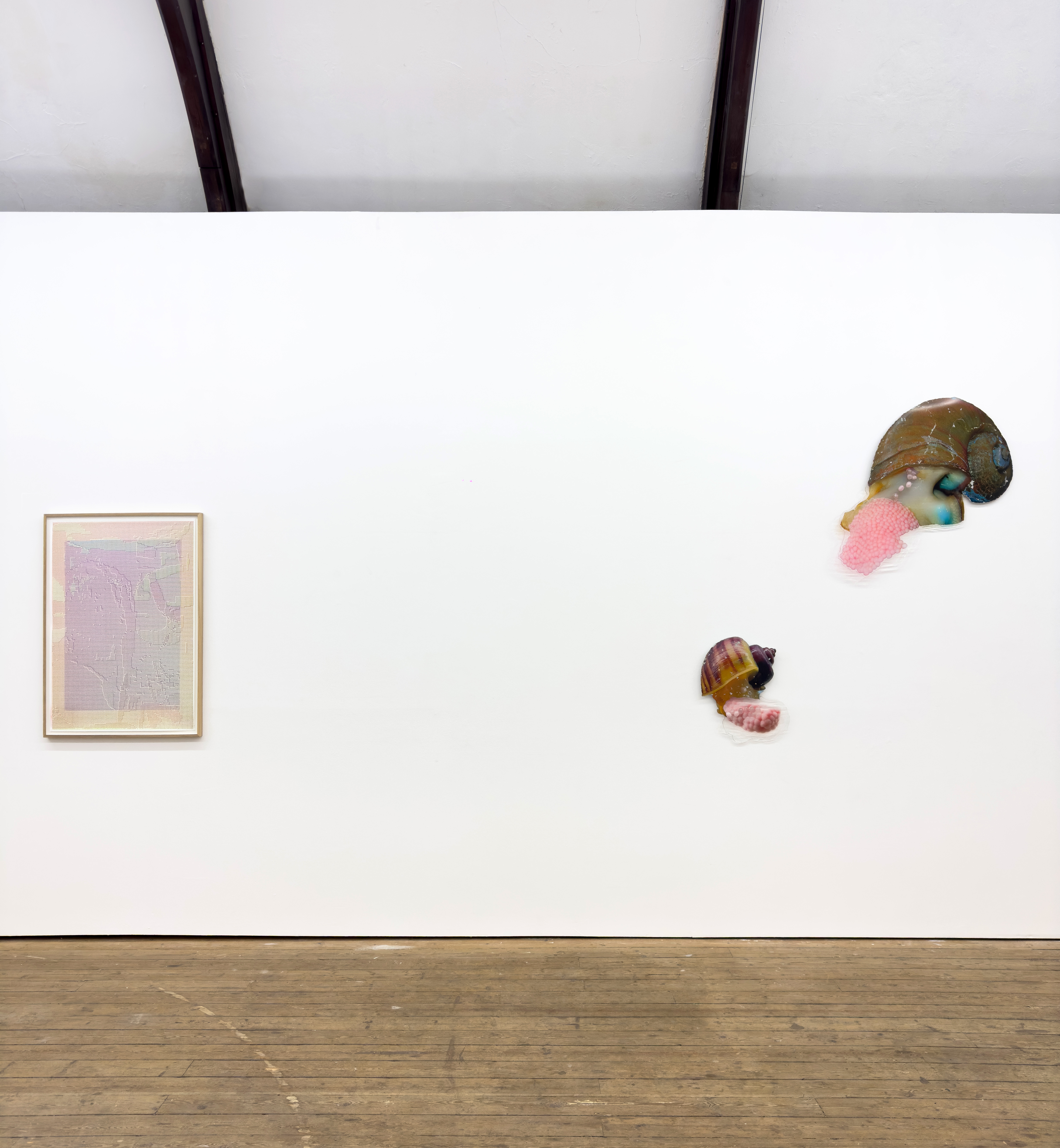
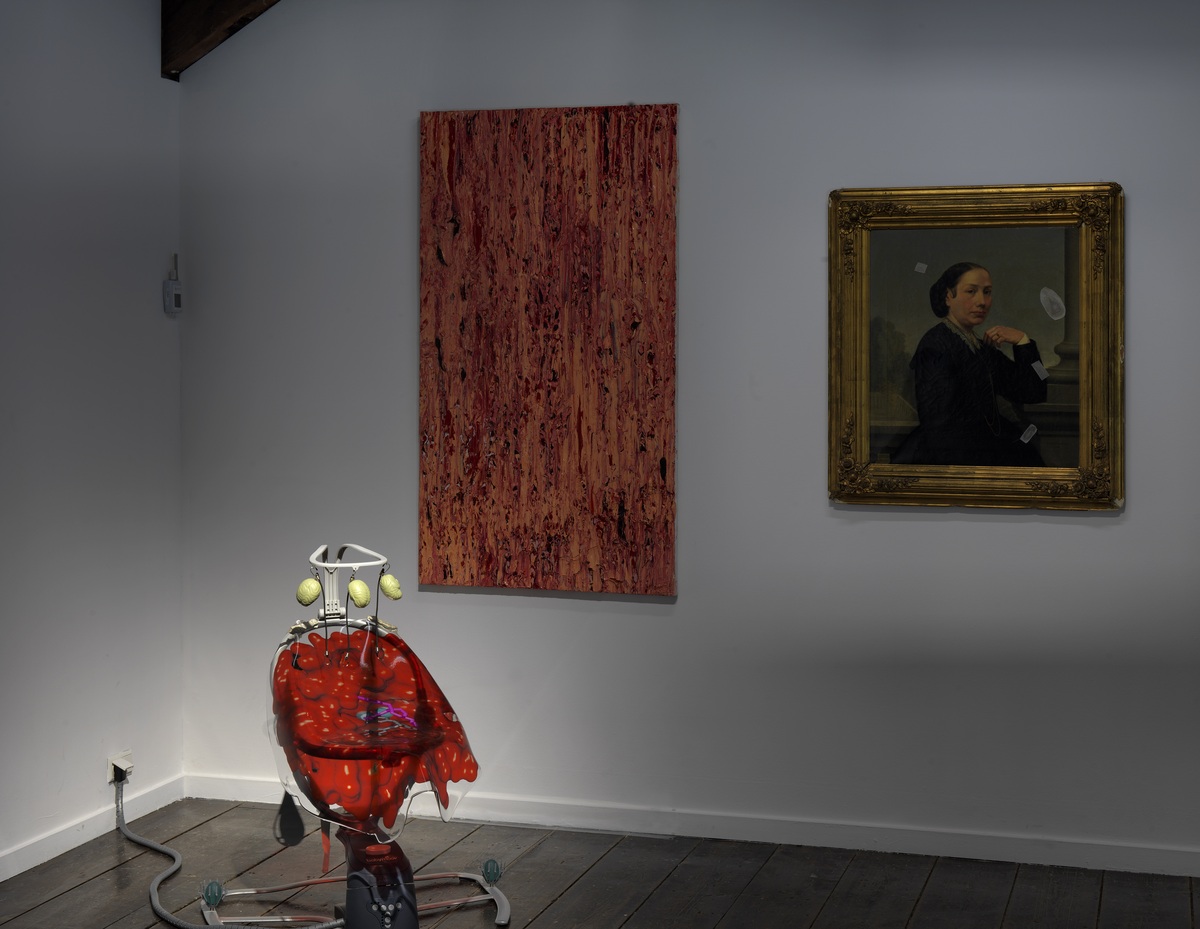
CAROL RHODES’ practice also privileges the urban environment as a subject and offers a perspective on the landscape which implies the climate conditions Uriburu protested. Rhodes’ work subverts the typical modulus of landscape painting, favoring portrait format and peripheral locations above idyllic depictions of nature. Her paintings and drawings capture highways, parking lots, energy plants, all products of human development, viewed from an aerial perspective. Her locations are fabricated, combining imagery from photos, geographic studies and memories– citing phenomenological and quantitative records of space as equally truthful references. The landscapes engage with a post-industrial, unromanticized vision of this genre, one that assumes the exploitative relationship of civilization towards nature and the value of it as a resource.
Taking the vantage point and aesthetic pragmatism of satellite imagery, Rhodes' paintings suggest an accuracy which they are in fact lacking. Both in content and as amalgams of different locations, Her compositions distort the characteristics they borrow from photography, flattening and extending the plane of focus to the center of the image. Due to the tertiary colors and lack of cast shadow and contrast, her scenes are rendered in a moody, atmospheric cloud. The land and water in Inlet, 1997 are filtered through a green haze, capturing a quiet and motionless view of nature rarely experienced in reality.
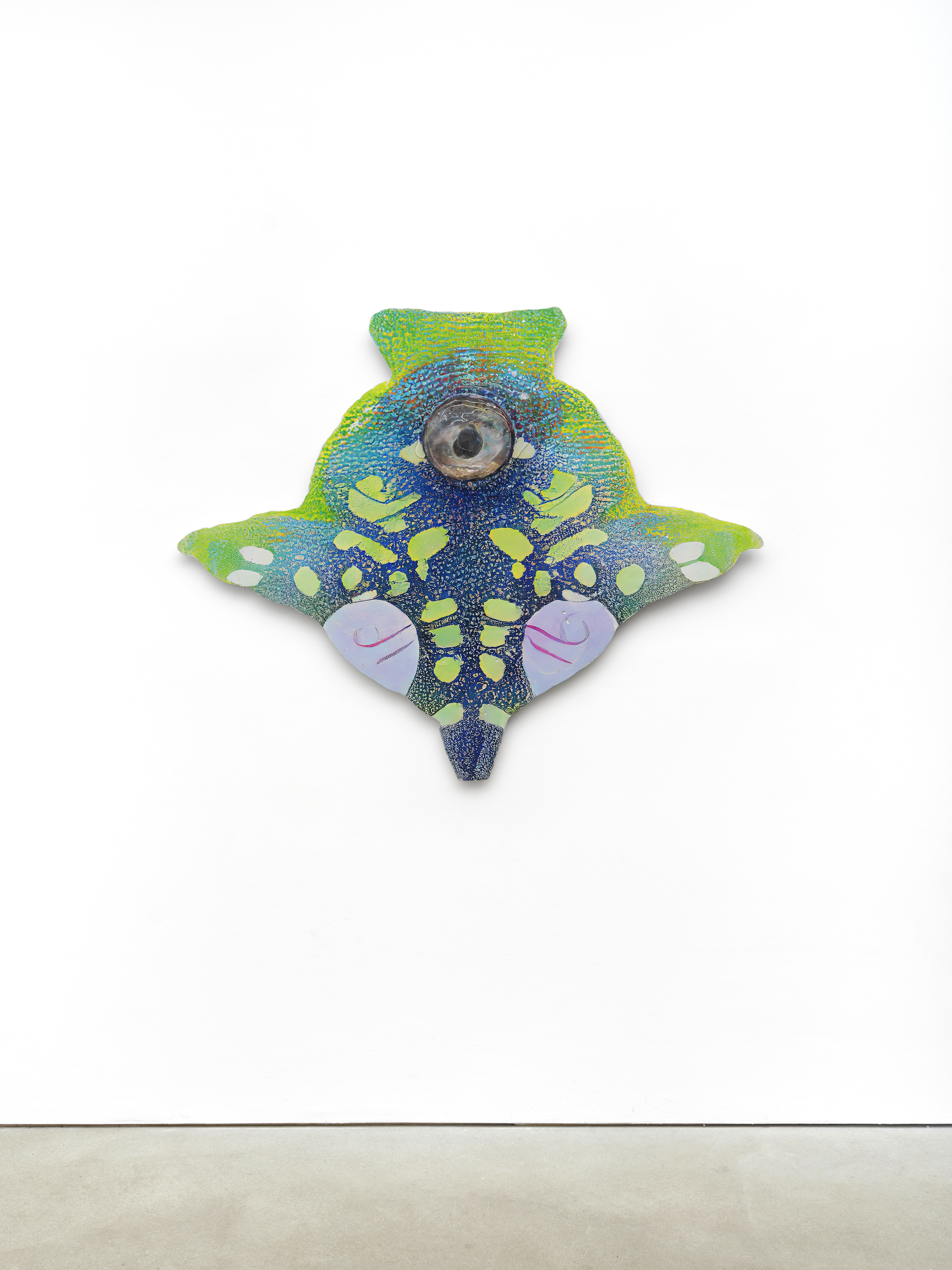
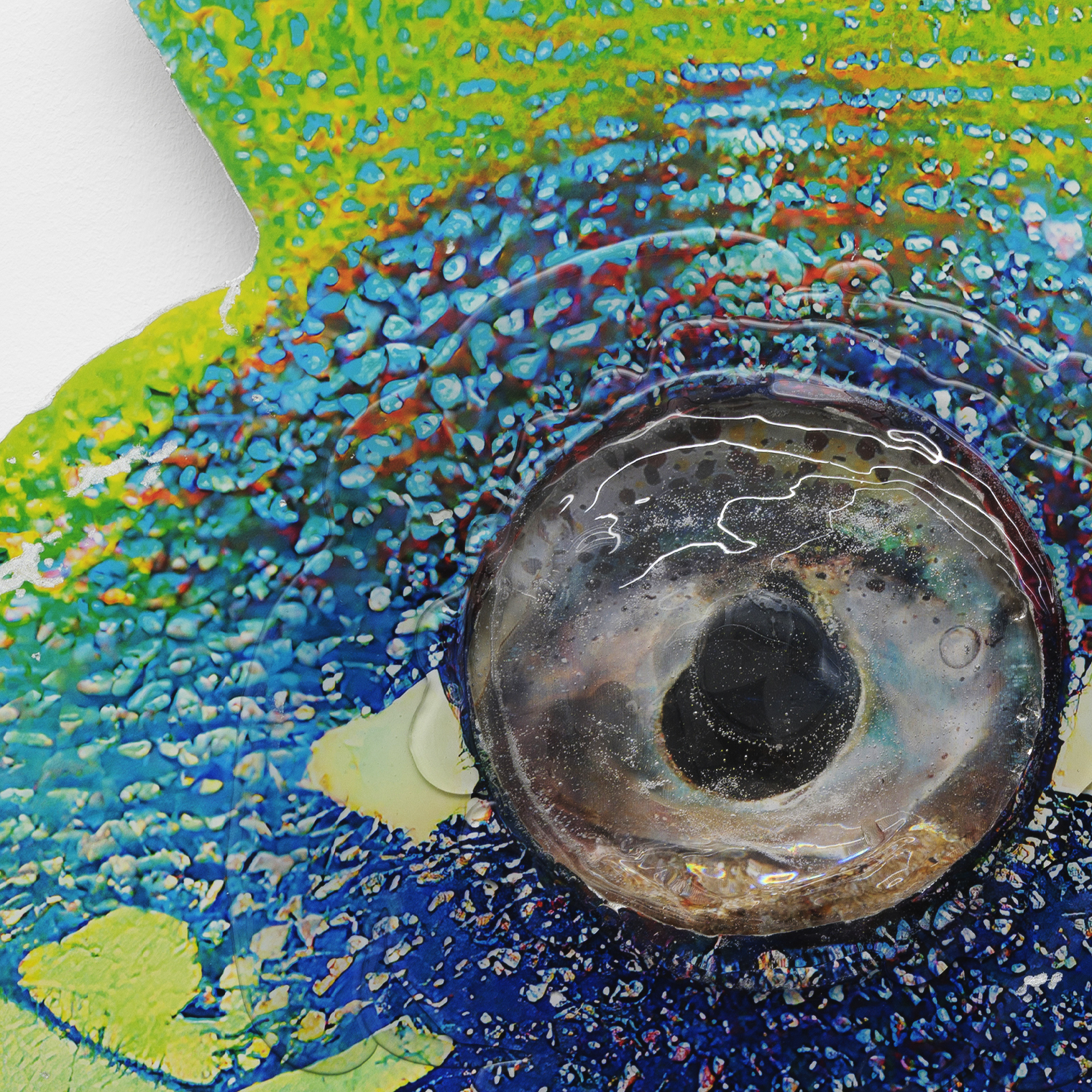
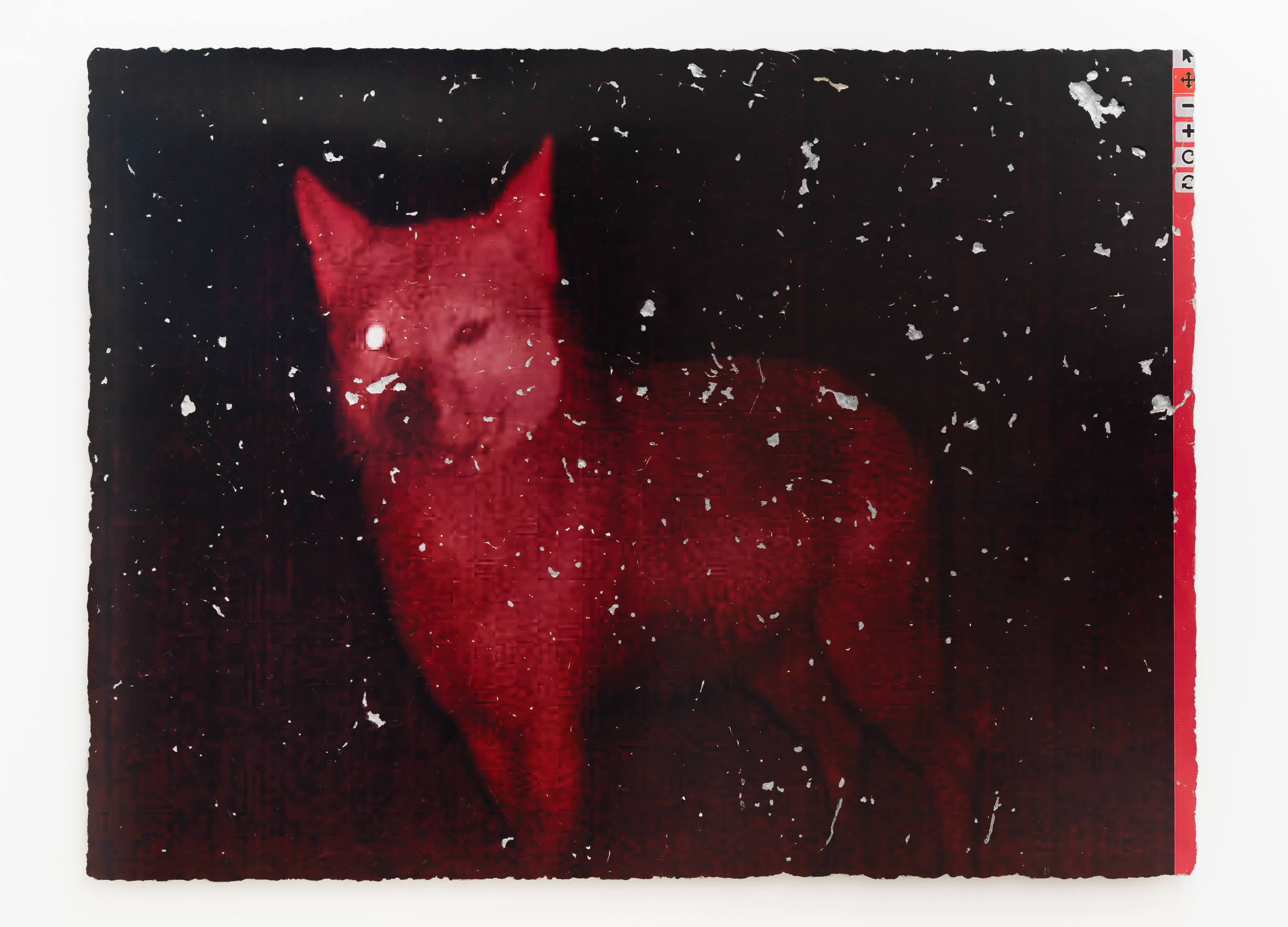
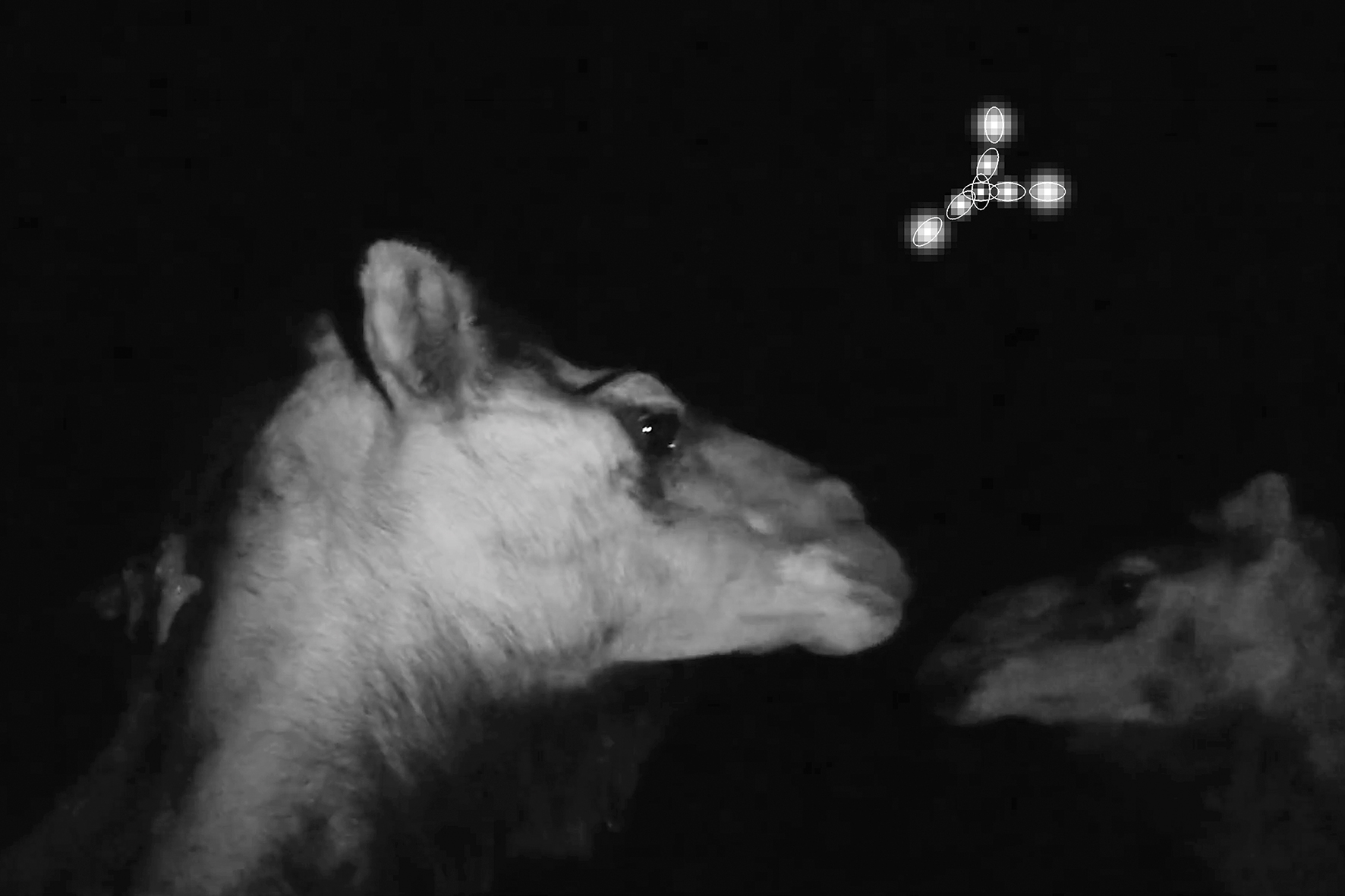
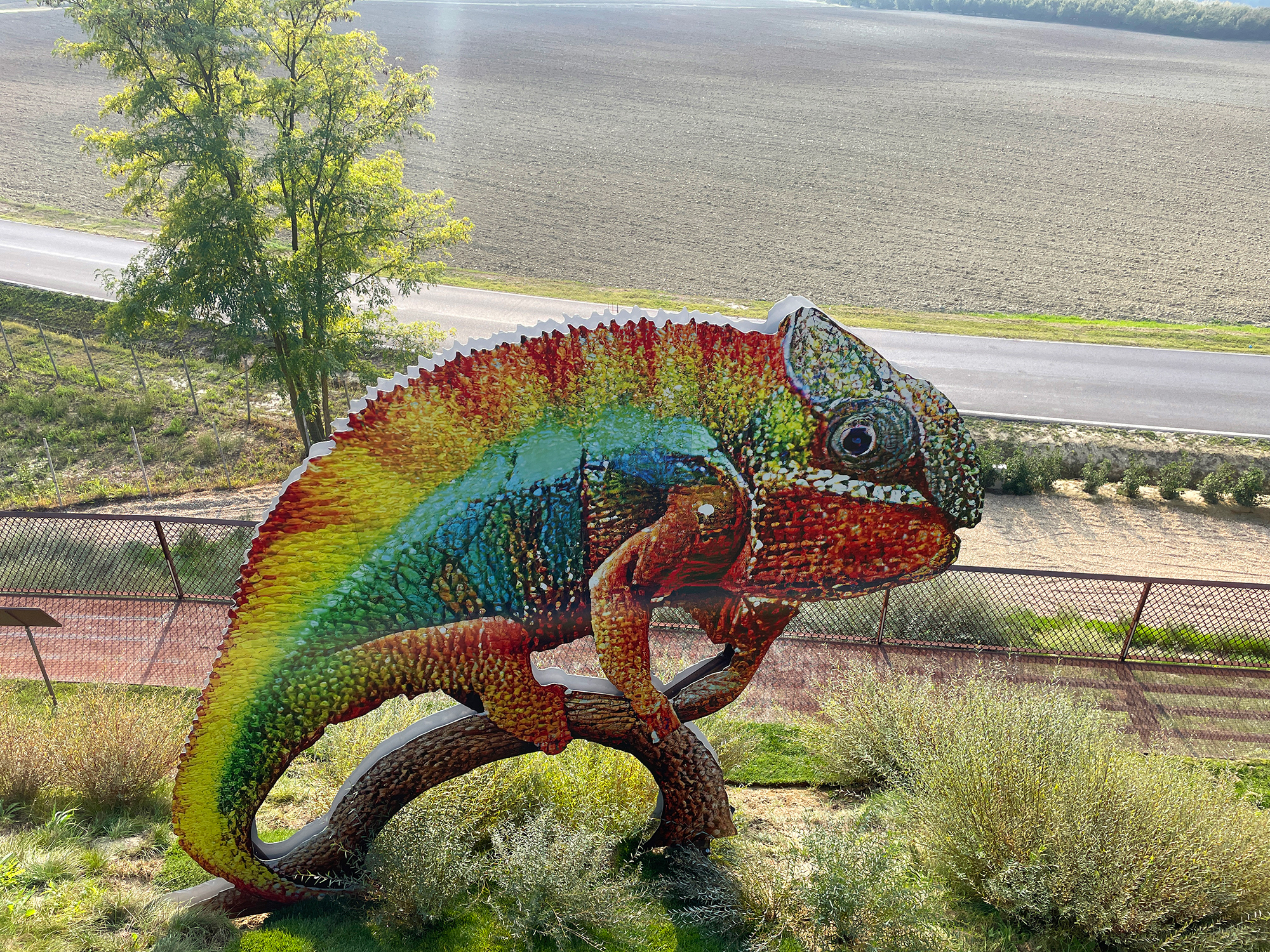
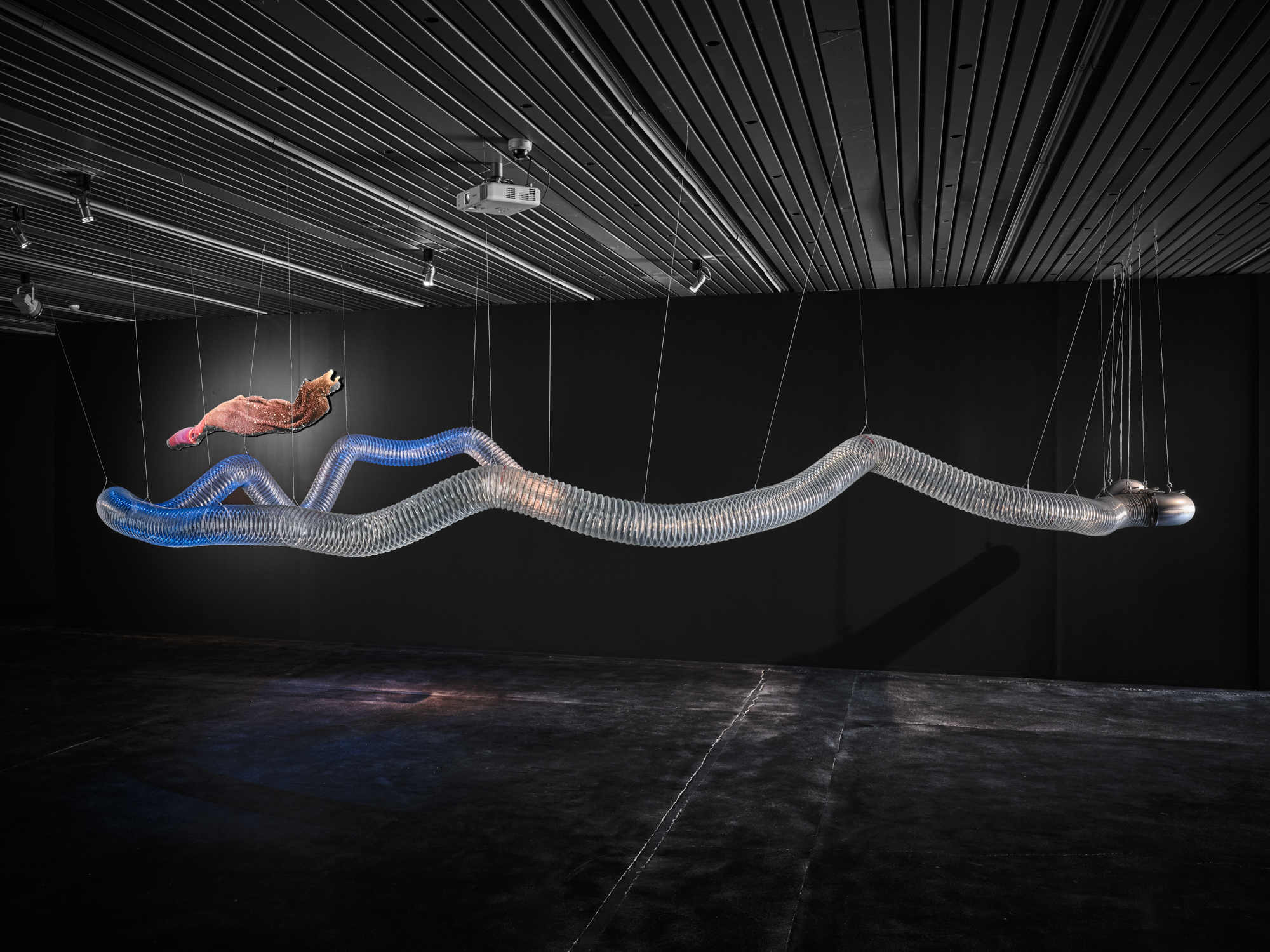
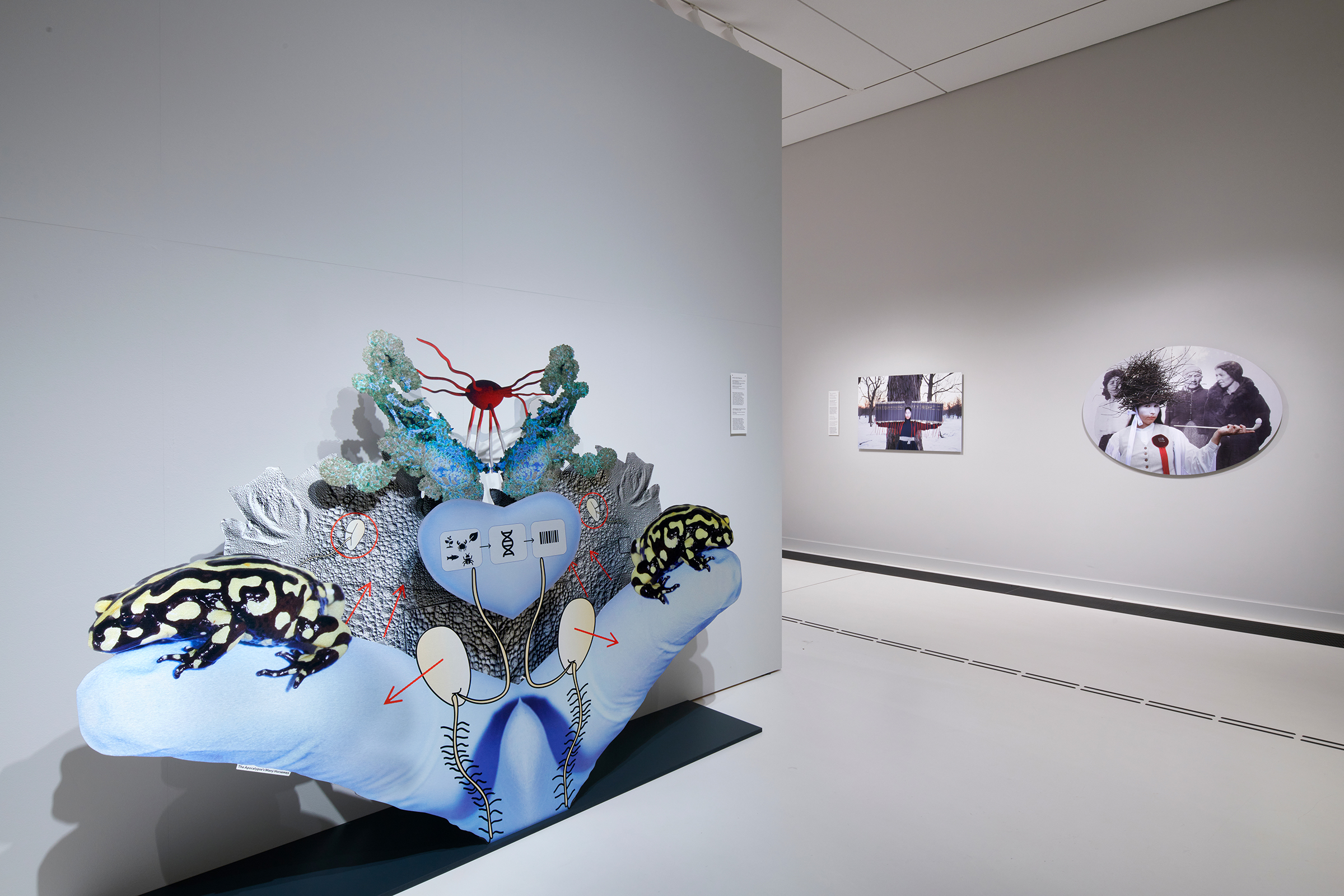
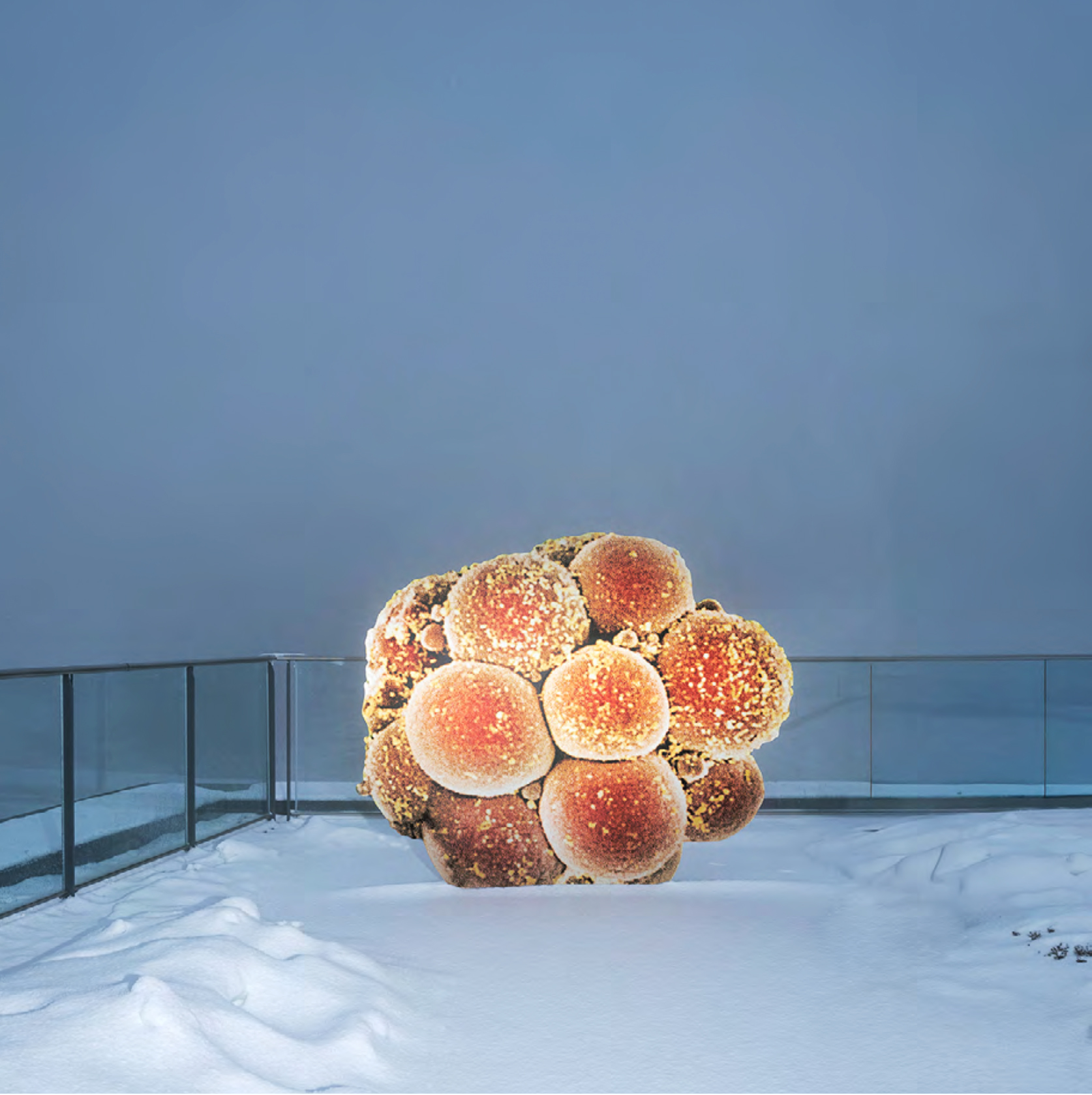
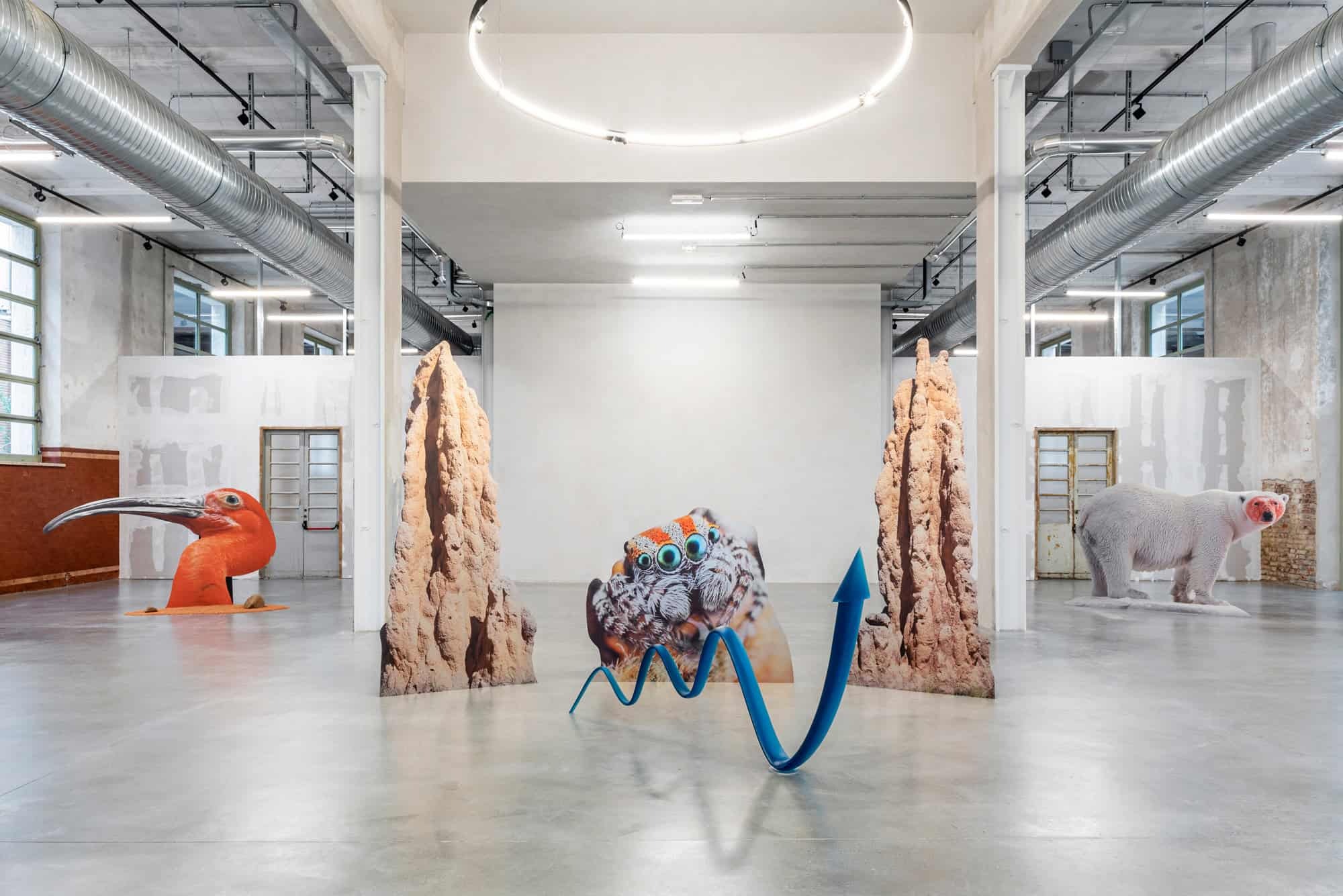
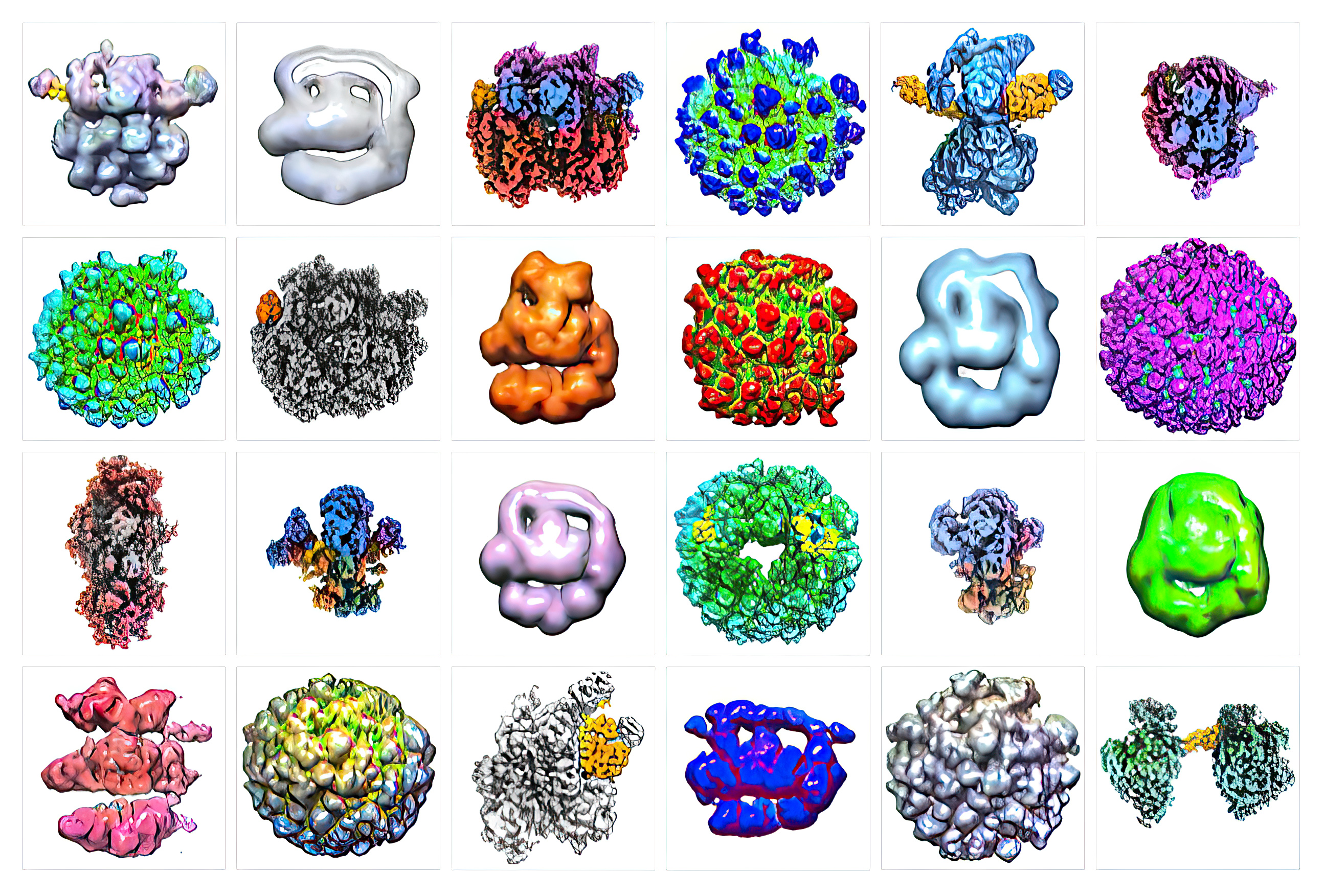
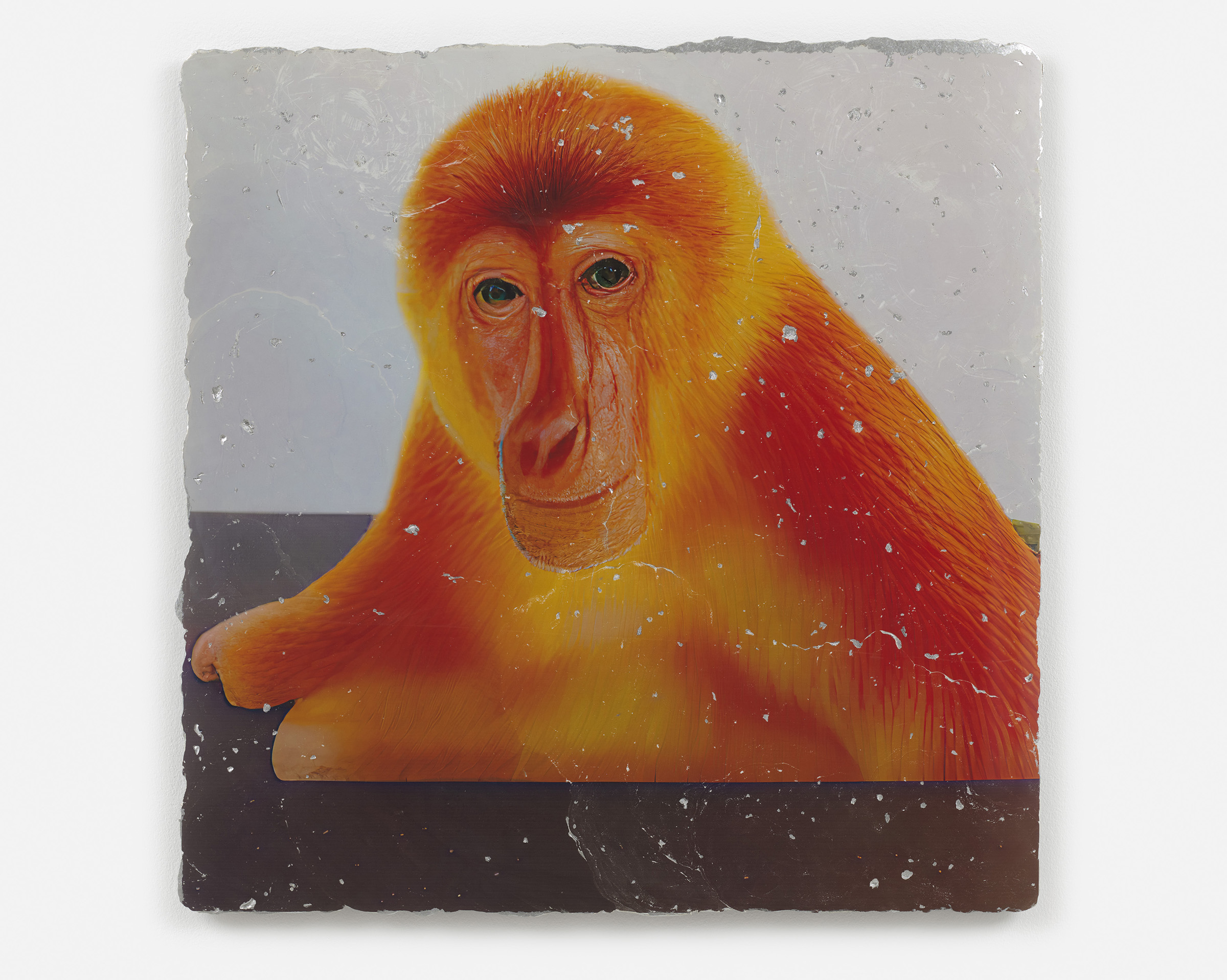
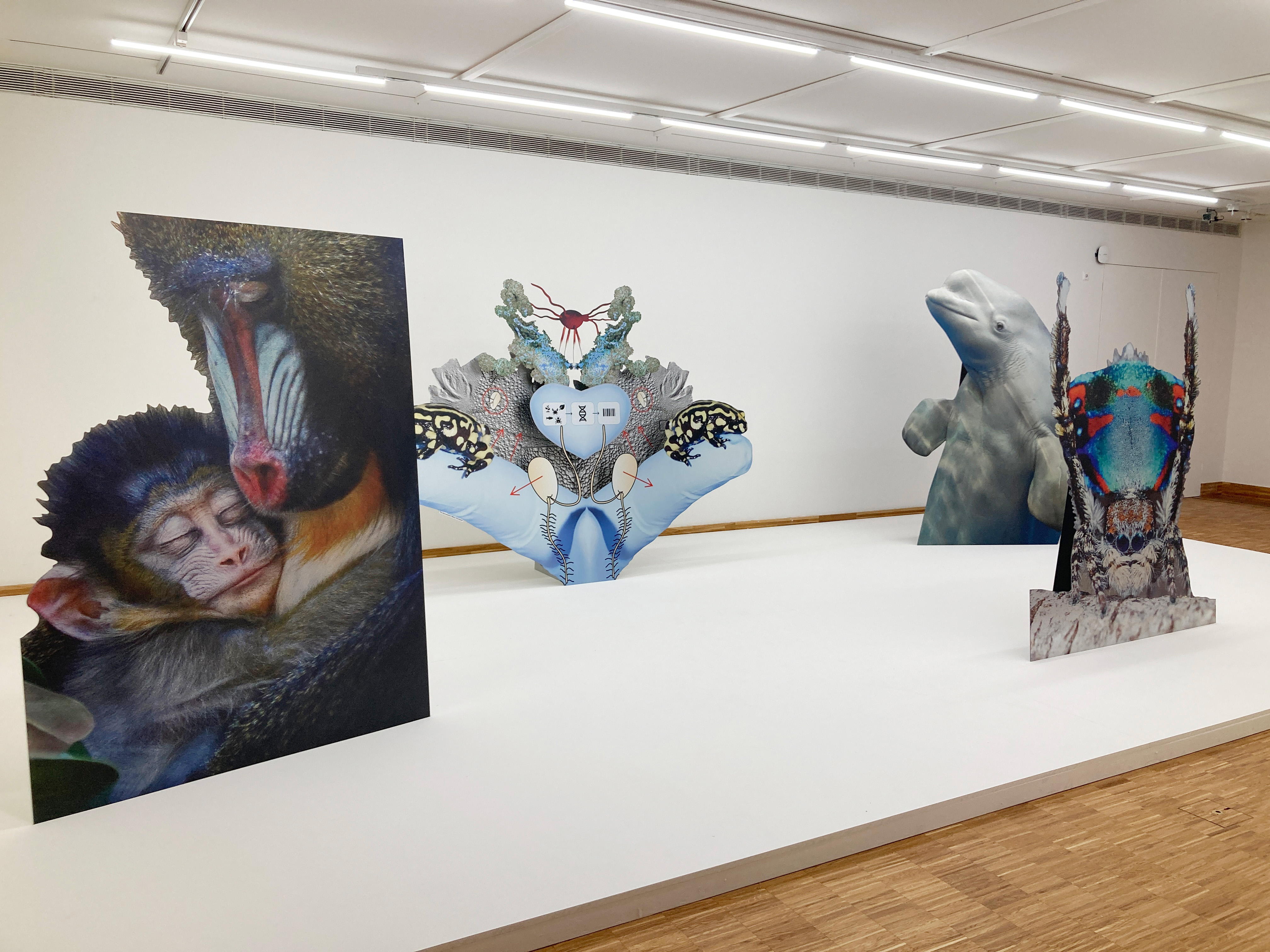
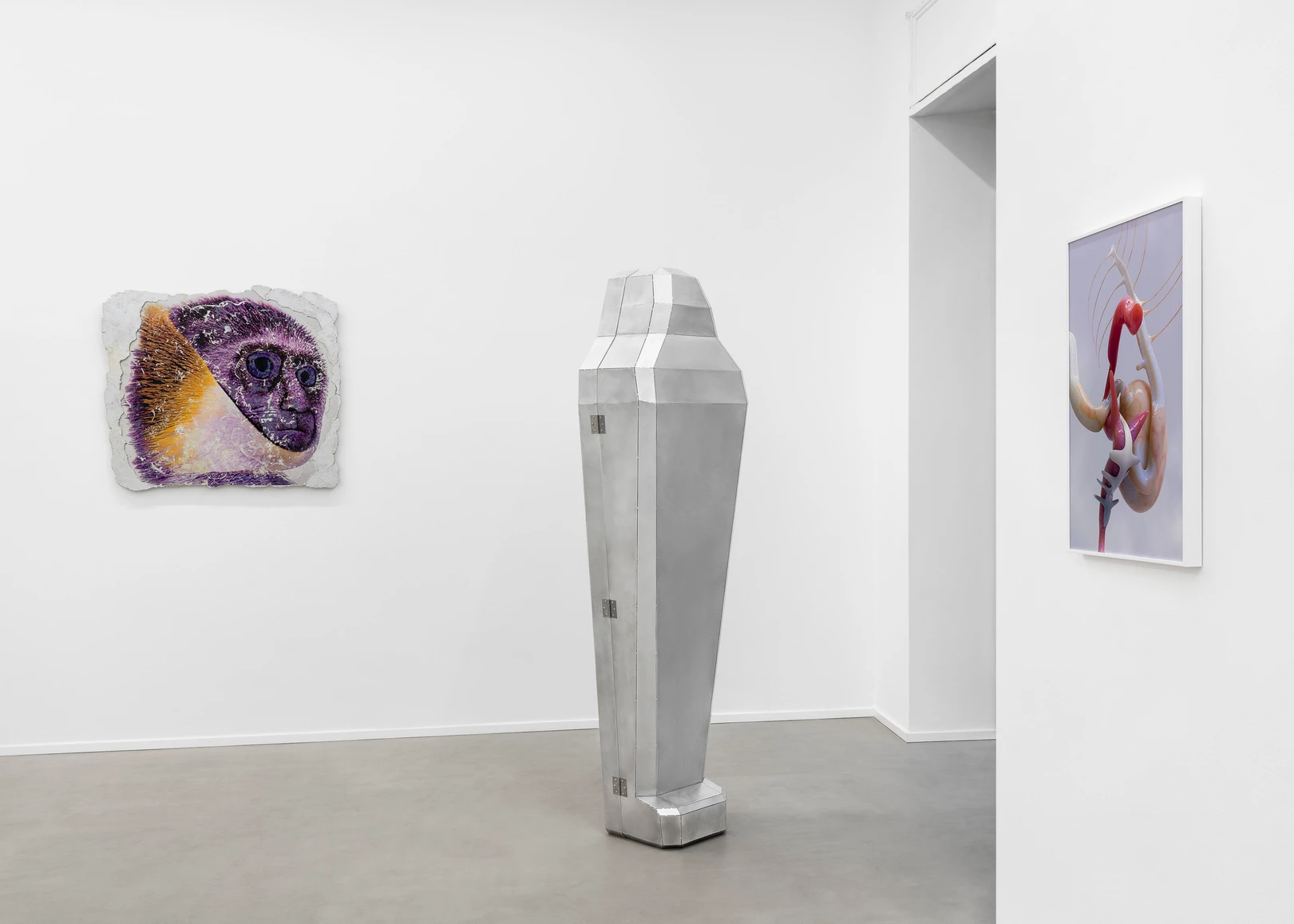
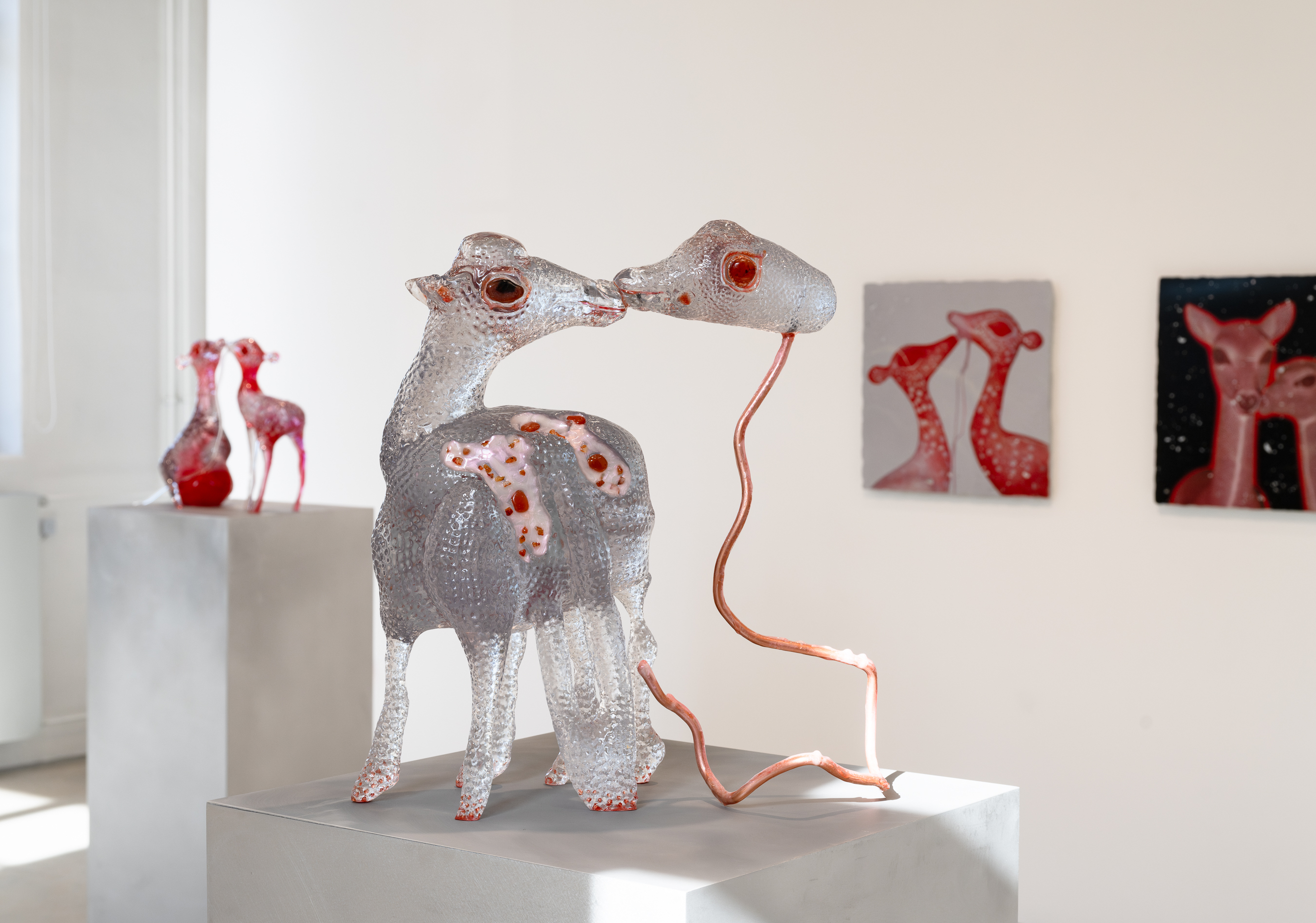
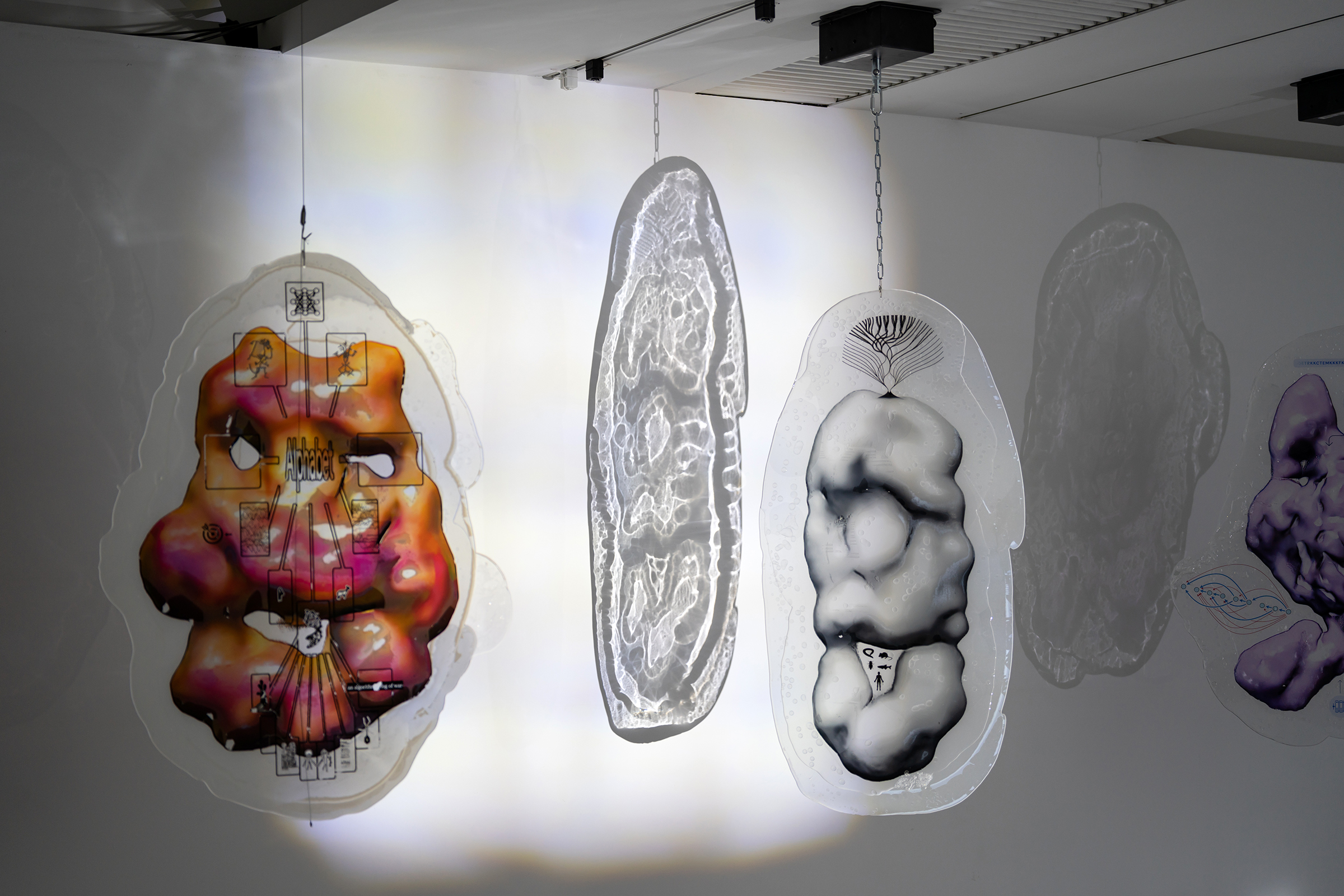
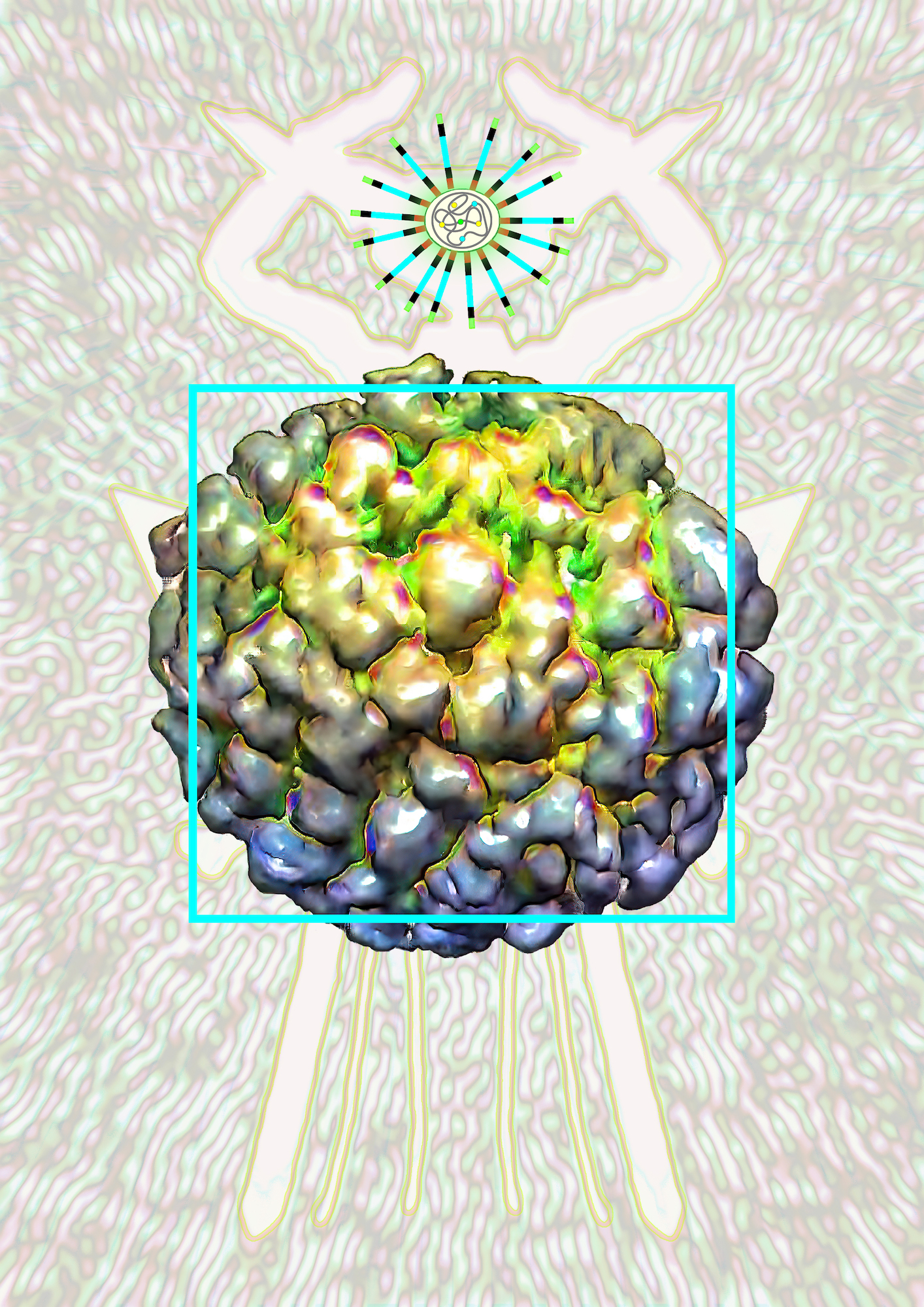
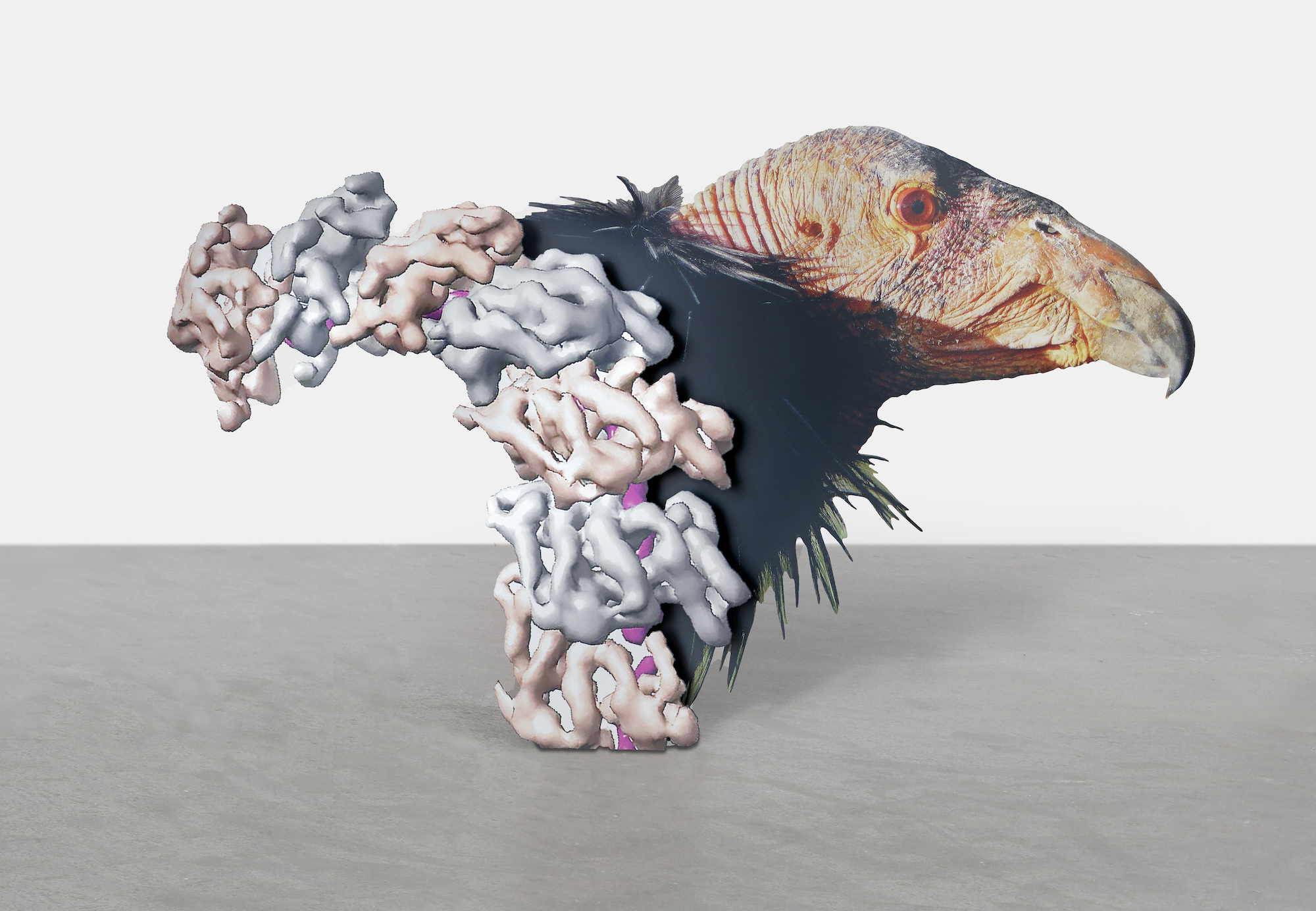
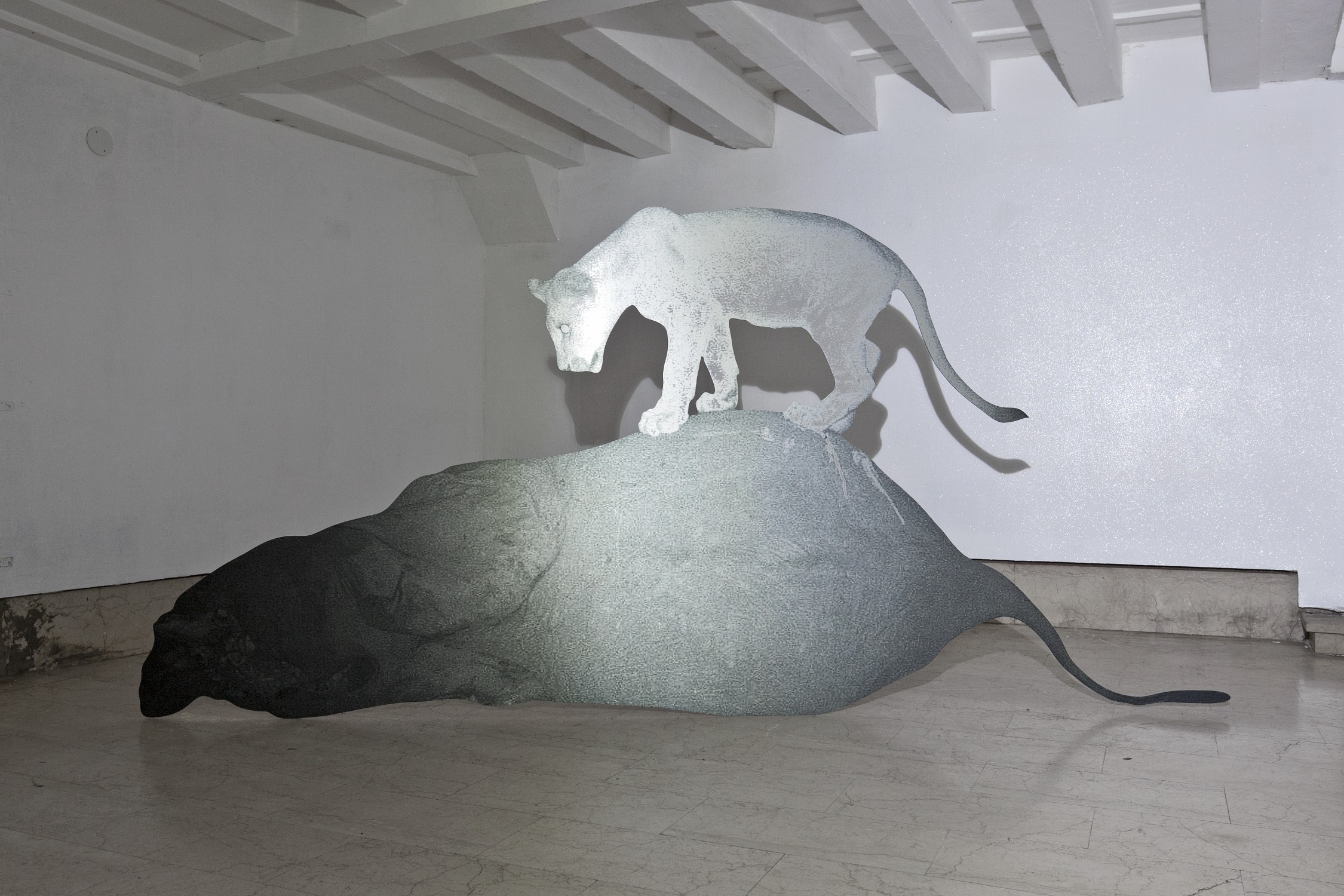
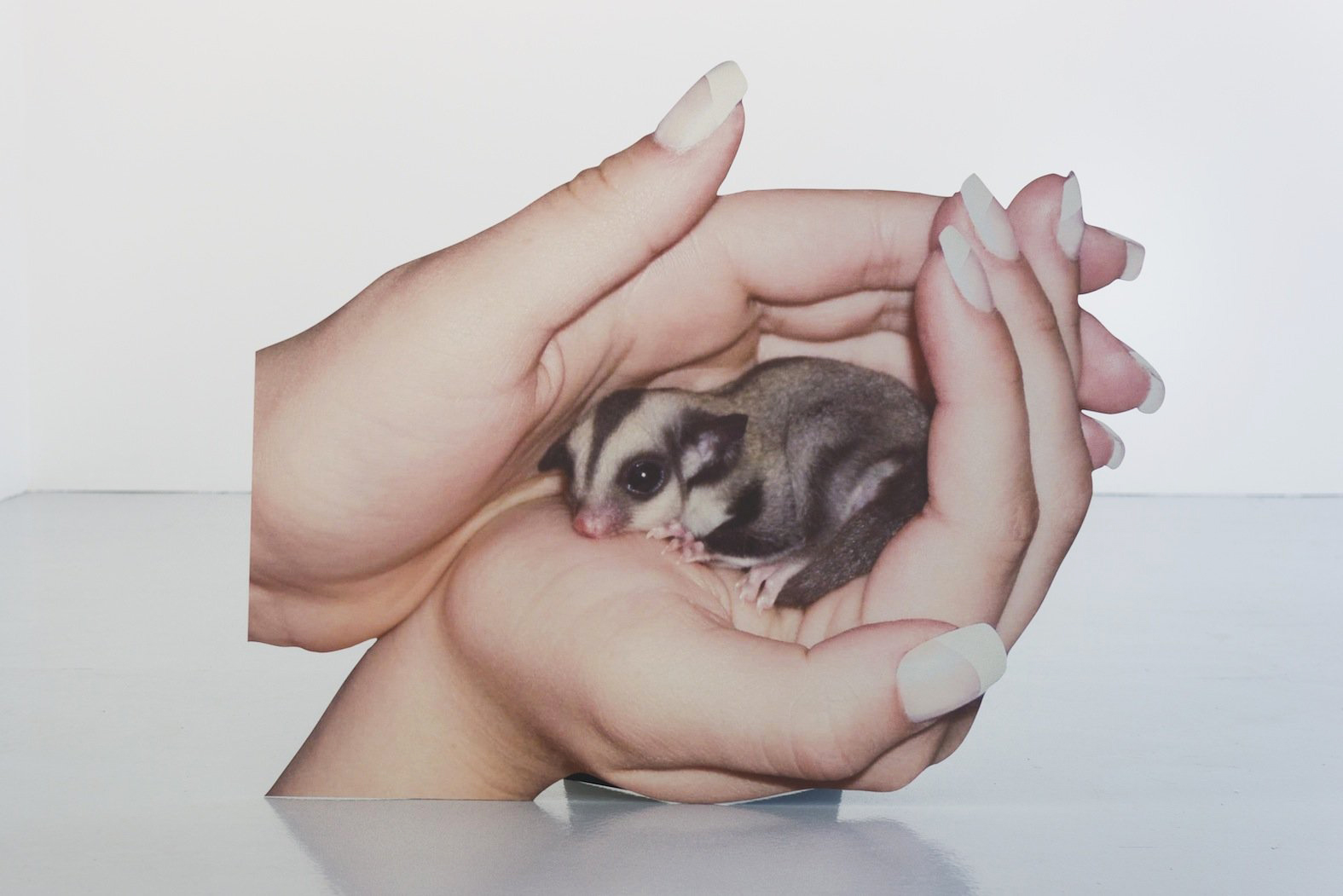
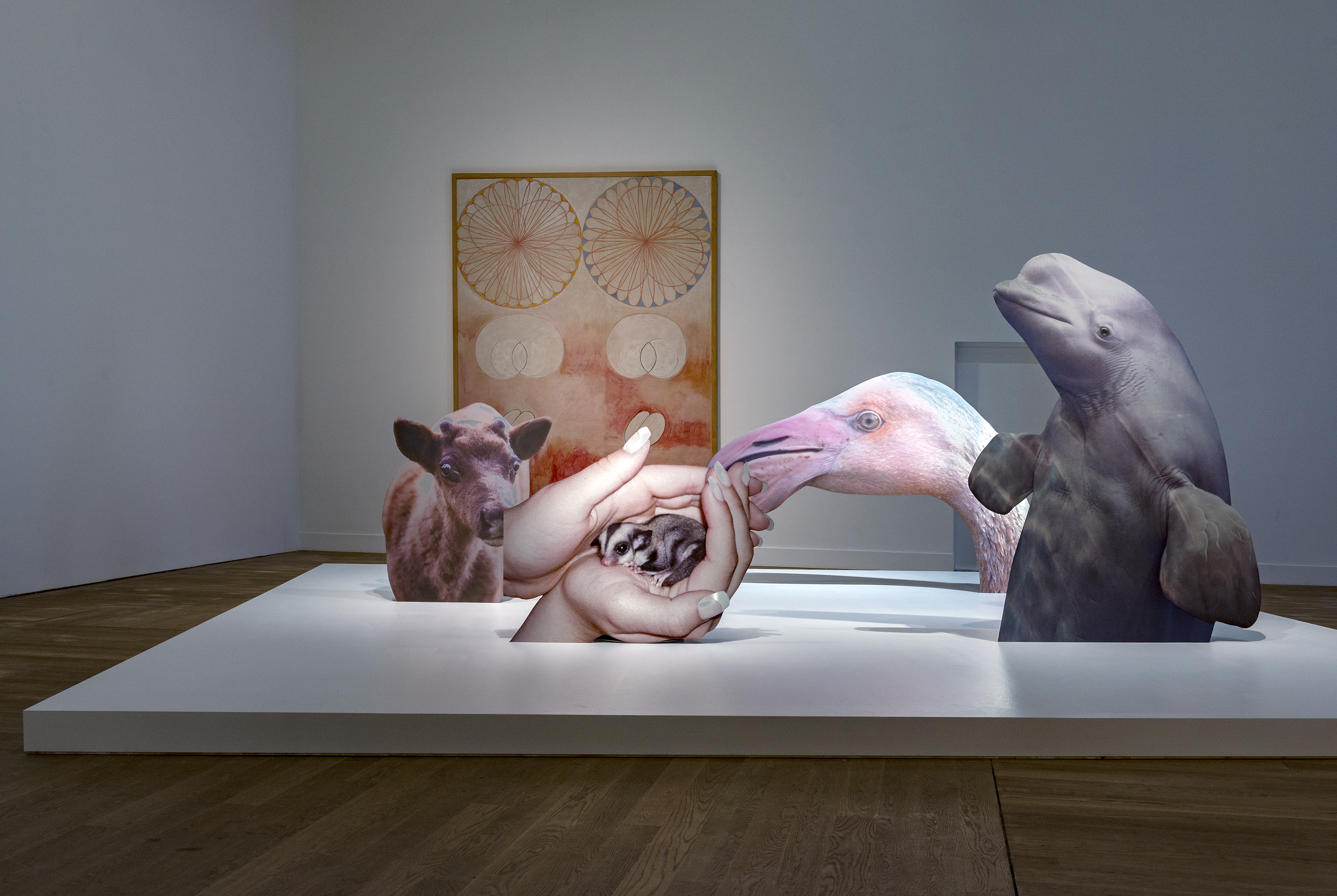
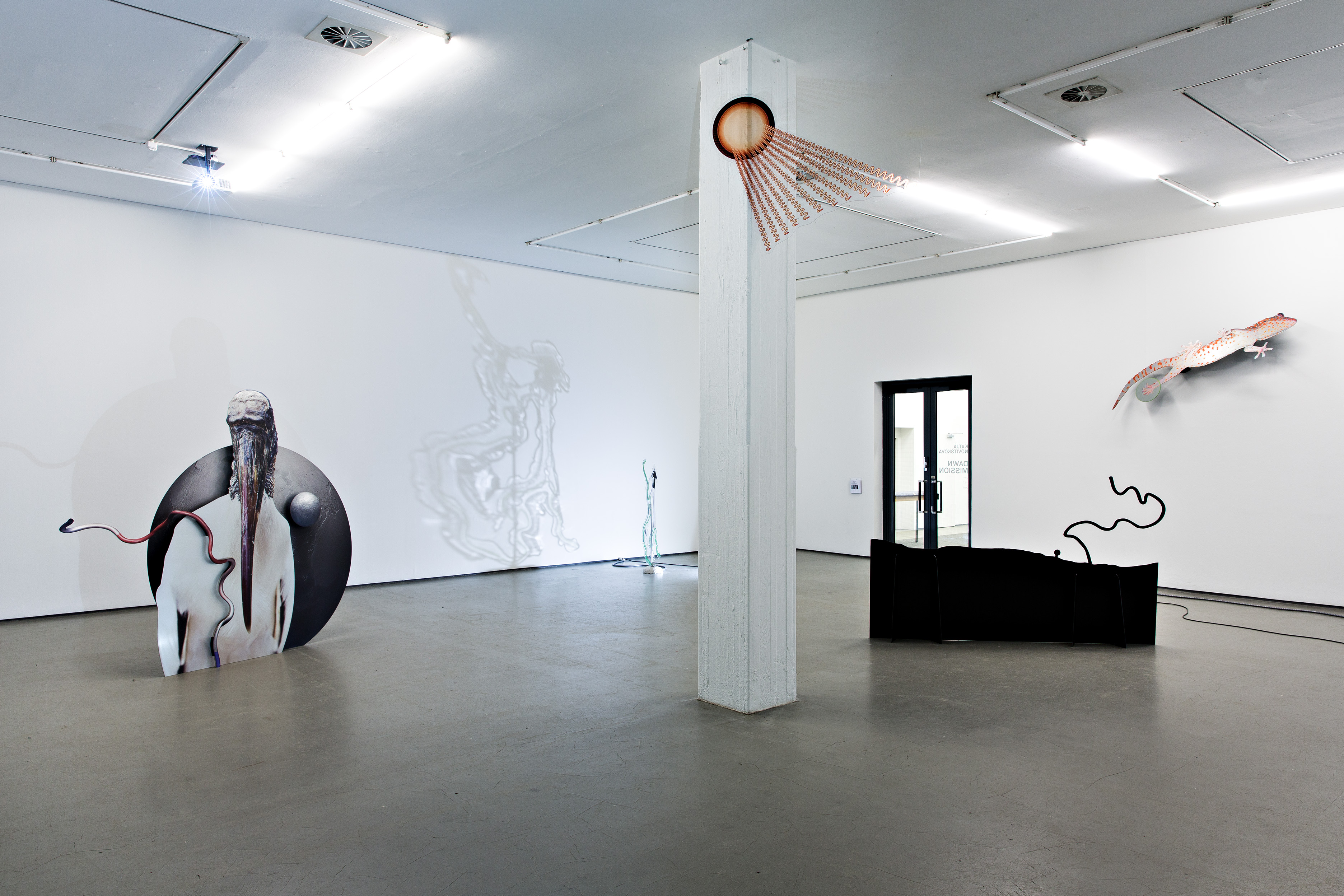
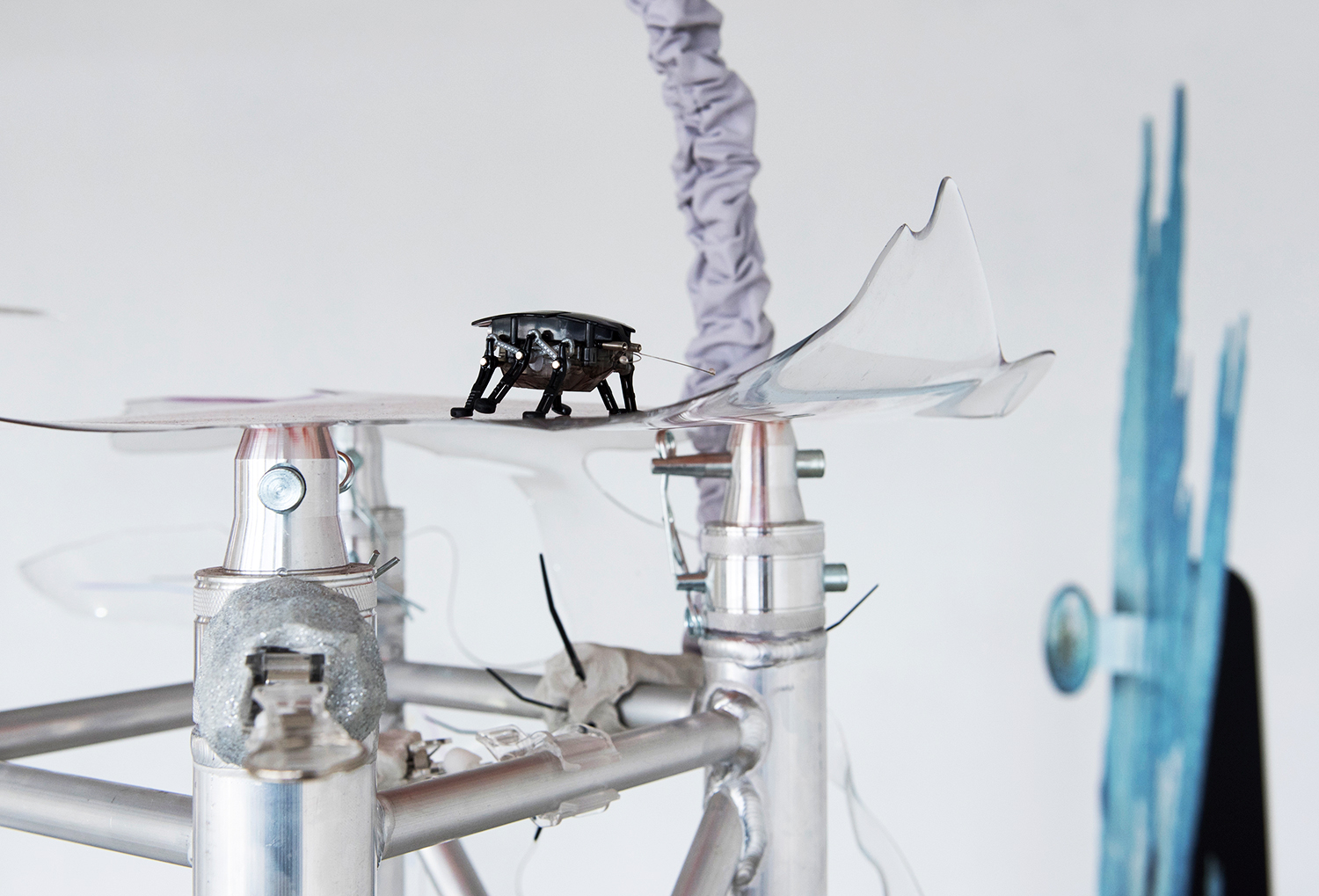
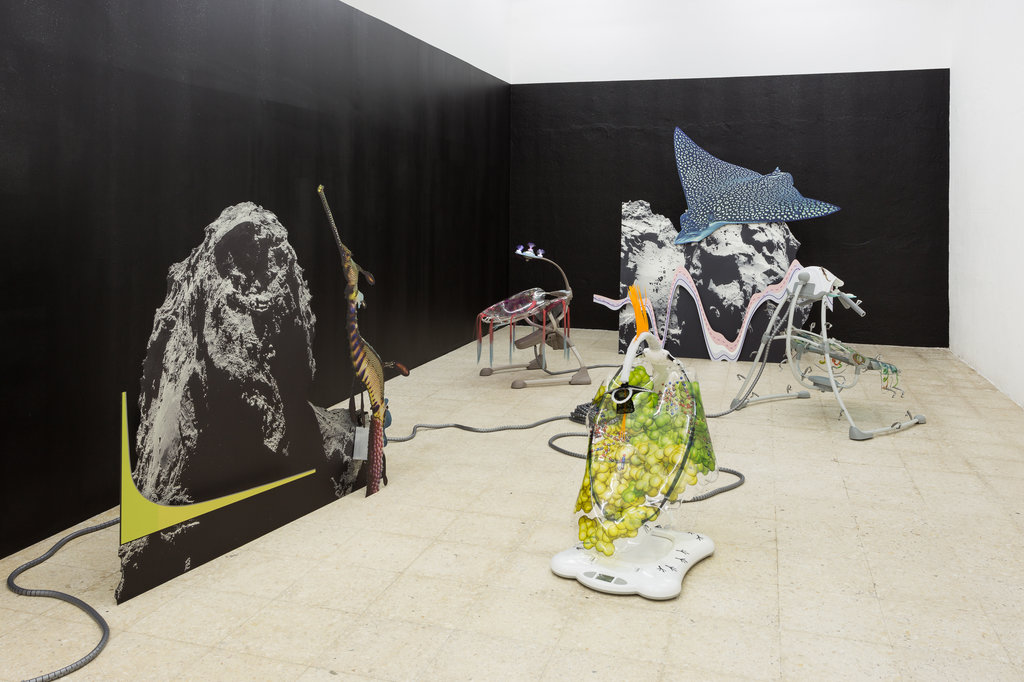
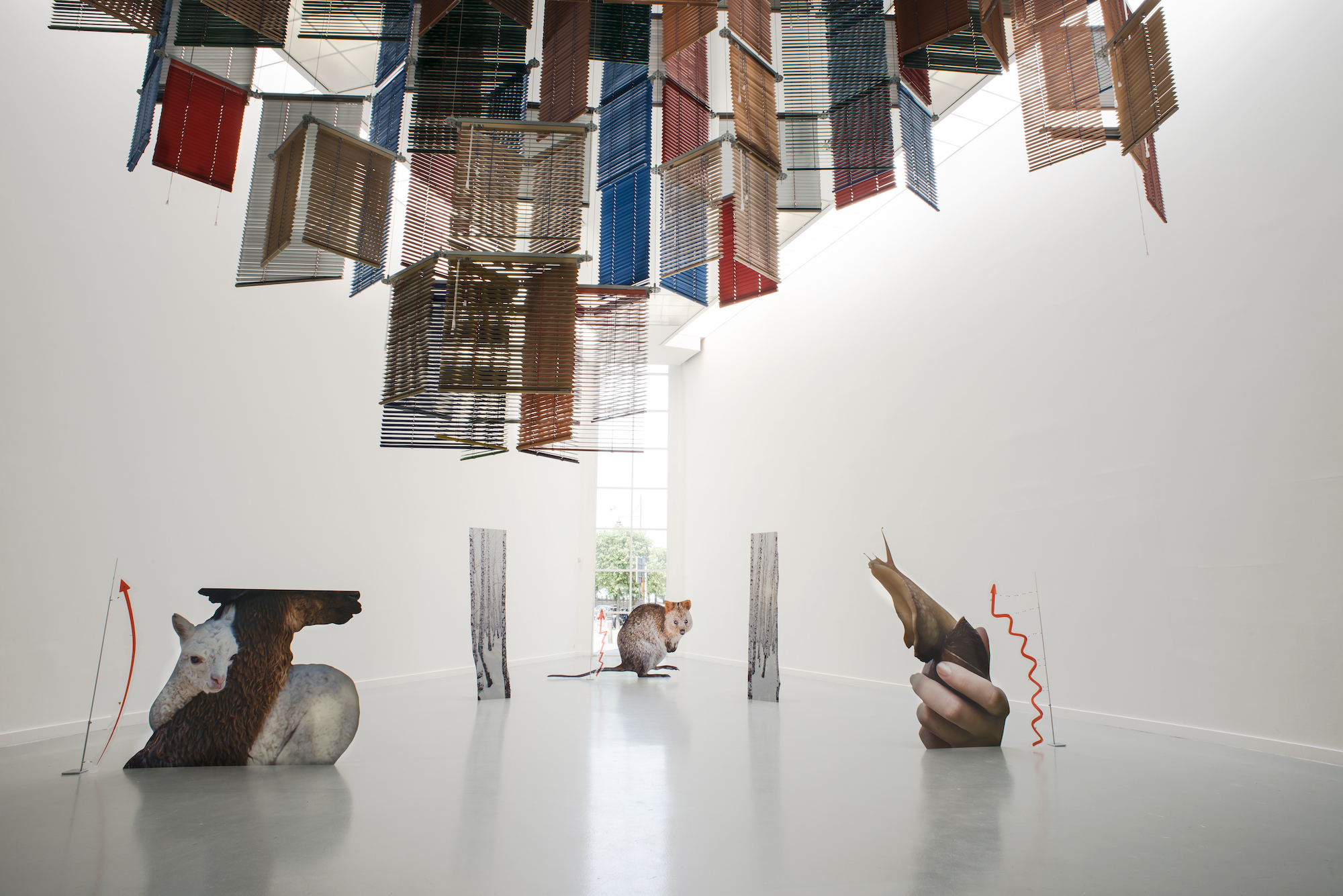
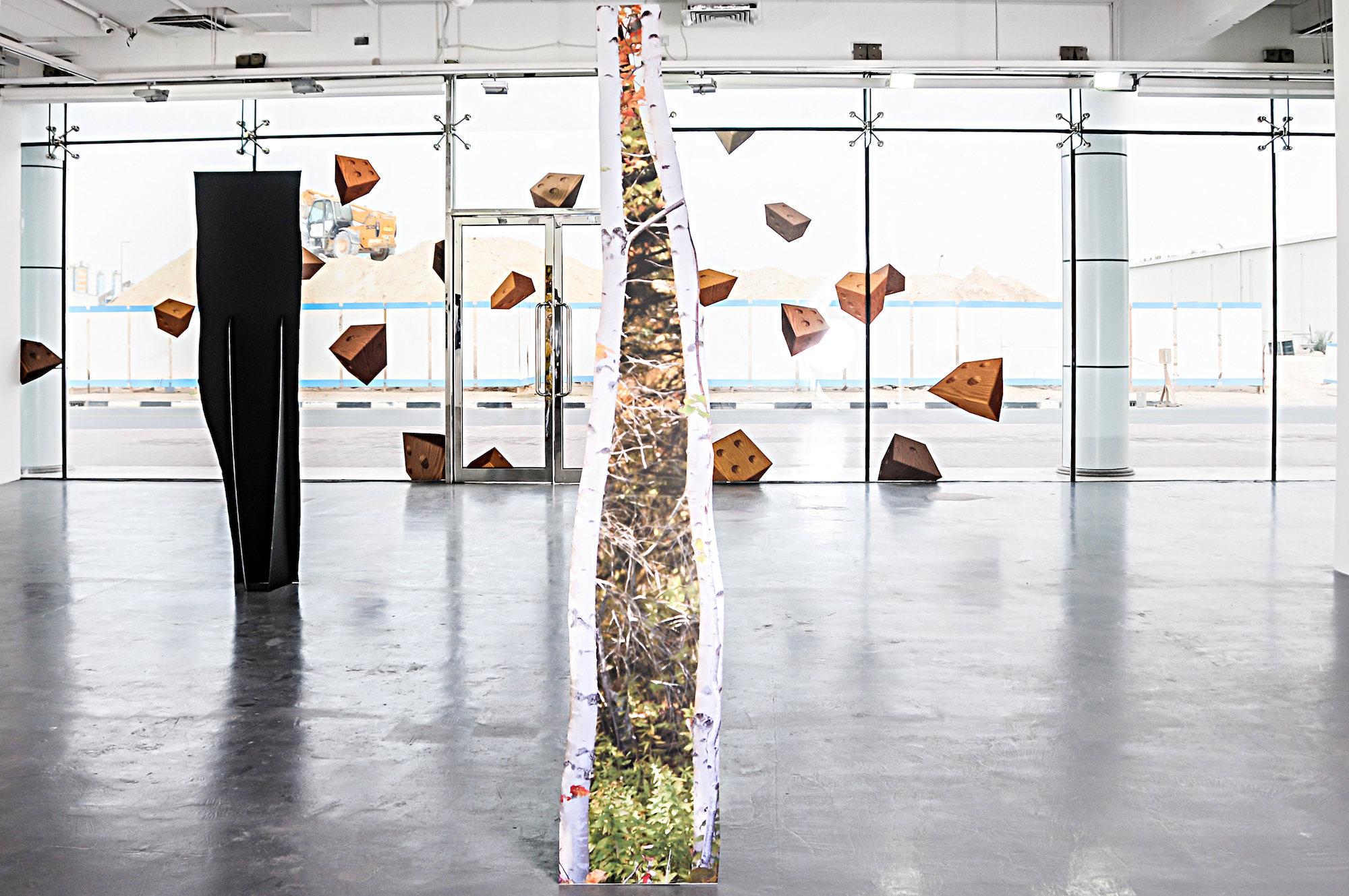
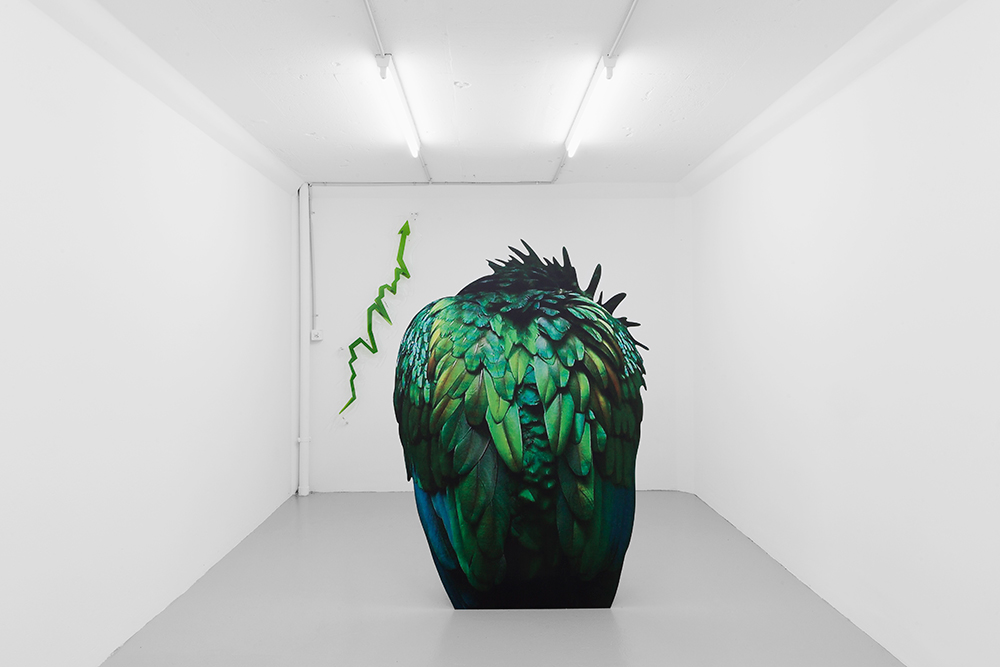
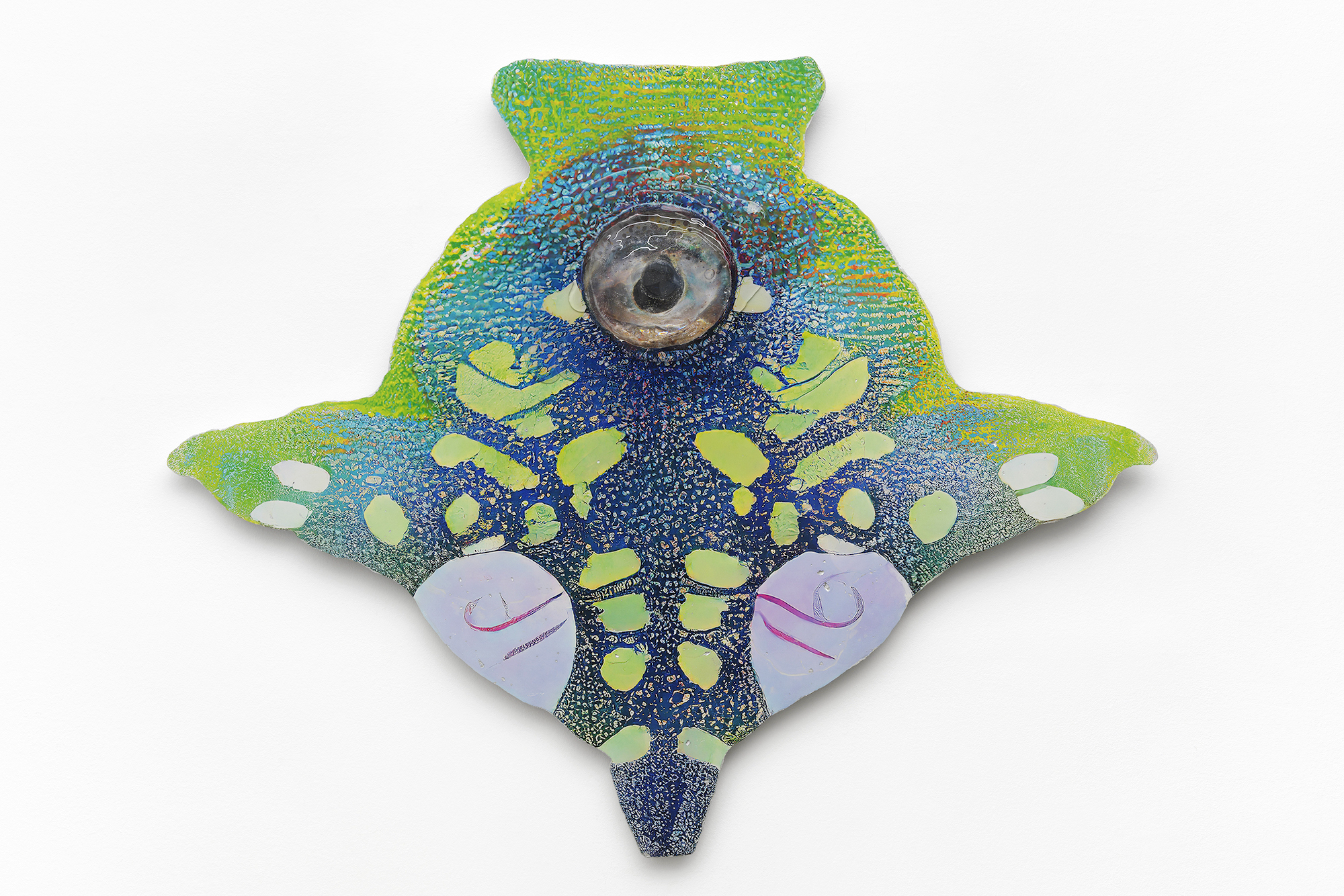
KATJA NOVITSKOVA’s practice investigates digital data systems and their possible utility in a scientific, artistic and philosophical sense, by creating spaces of possibilities in which nature and technology are resituated through the transformation of the organic into digital imagery. Earthware (Looking Glass Mola Mola), 2024 is the result of many layers of translation harkening back to the artist's previous series of work, namely the Looking Glass algorithm’s free hallucination of documentation photos of her earlier sculptures. The resemblance to a sunfish in the artwork is therefore incidental. Novitskova’s body of work generates a feedback loop in which the source imagery feeds itself to produce new forms, ultimately producing a likeness to an existing animal, therefore positing machine learning as a deific entity.
Earthware (Looking Glass Mola Mola)
UV-resistant ink transfer onto epoxy clay, UV polyurethane, glow-in-the-dark pigment, lenticular print, aluminium frame, nail polish 122cm x 150cm x 10 cm 48 x 59 x 4 in unique