
%20detail%204.jpg)

-web.jpg)


.png)

-web.jpg)



























.JPG)









.jpg)


Notes (On De-Classing)
Stavanger
Type
Group exhibition
Ben Cain
Nicolas Deshayes
David Douard
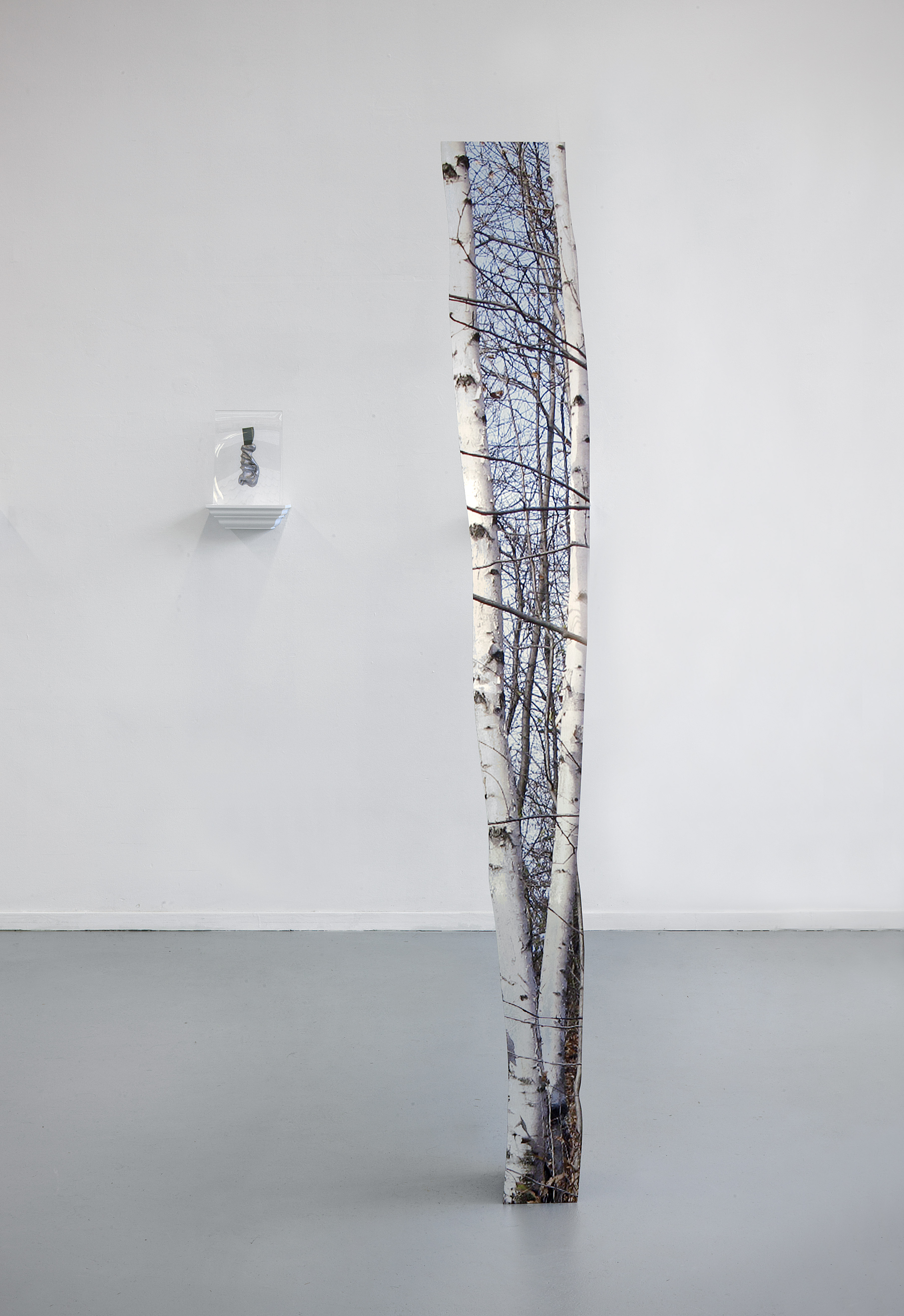
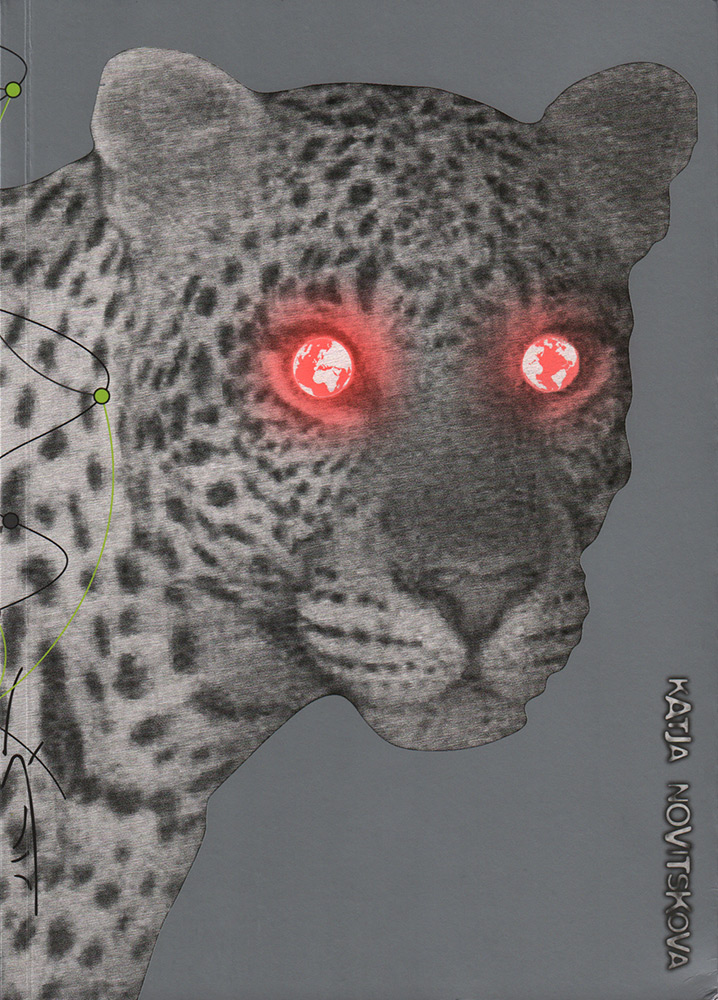
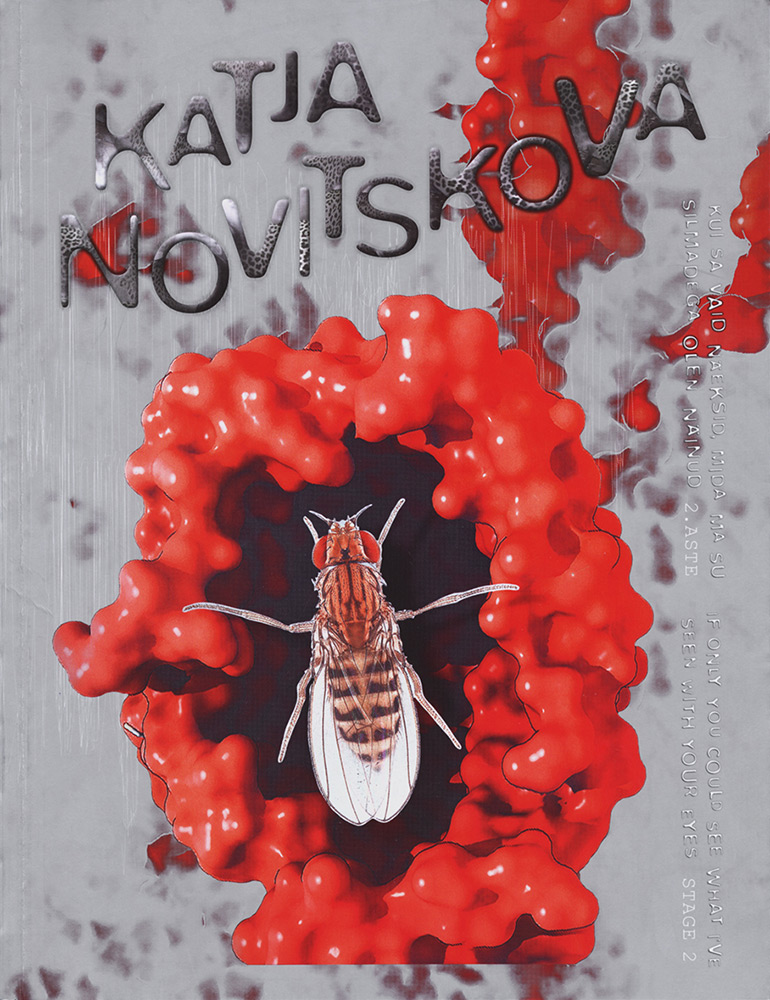
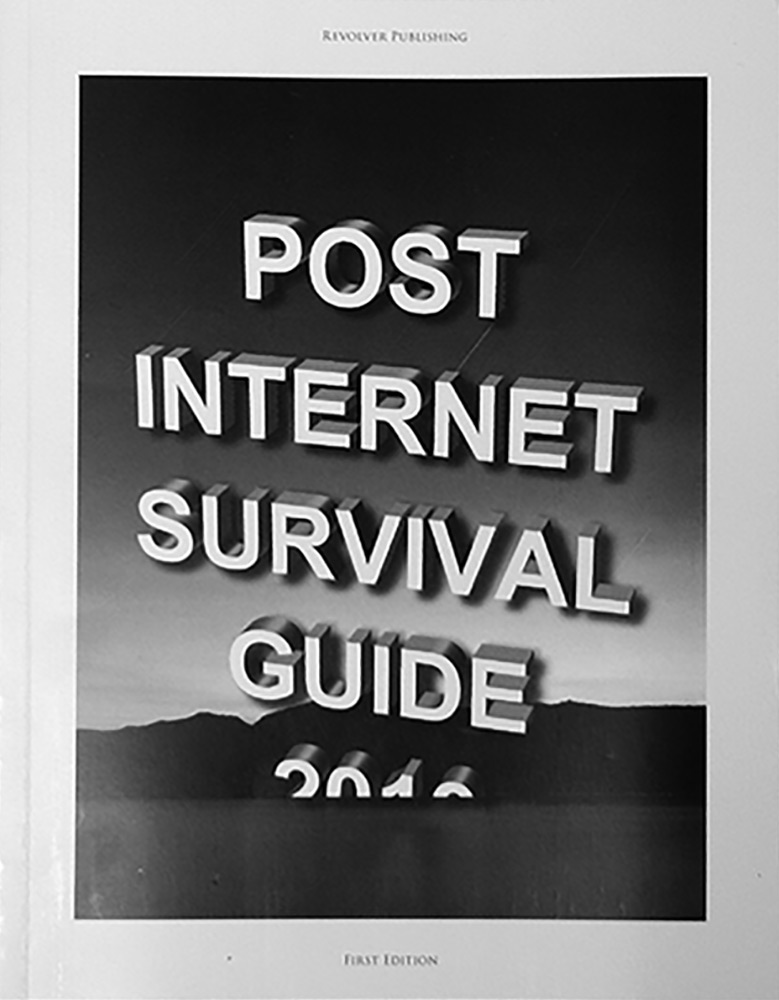
Katja Novitskova
Magali Reus
Curated by Vincent Honoré
A
Rosalind Krauss, in Formless: A User’s Guide (1997), mentions “de-classing” as a way of de-categorizing forms: “The other word to which Bataille turned to evoke this process of ‘deviance’ was informe, a de-classing in every sense of the term: in the separation between space and time; in the systems of spatial mapping; in the qualifications of matter; in the structural order of systems.”
B
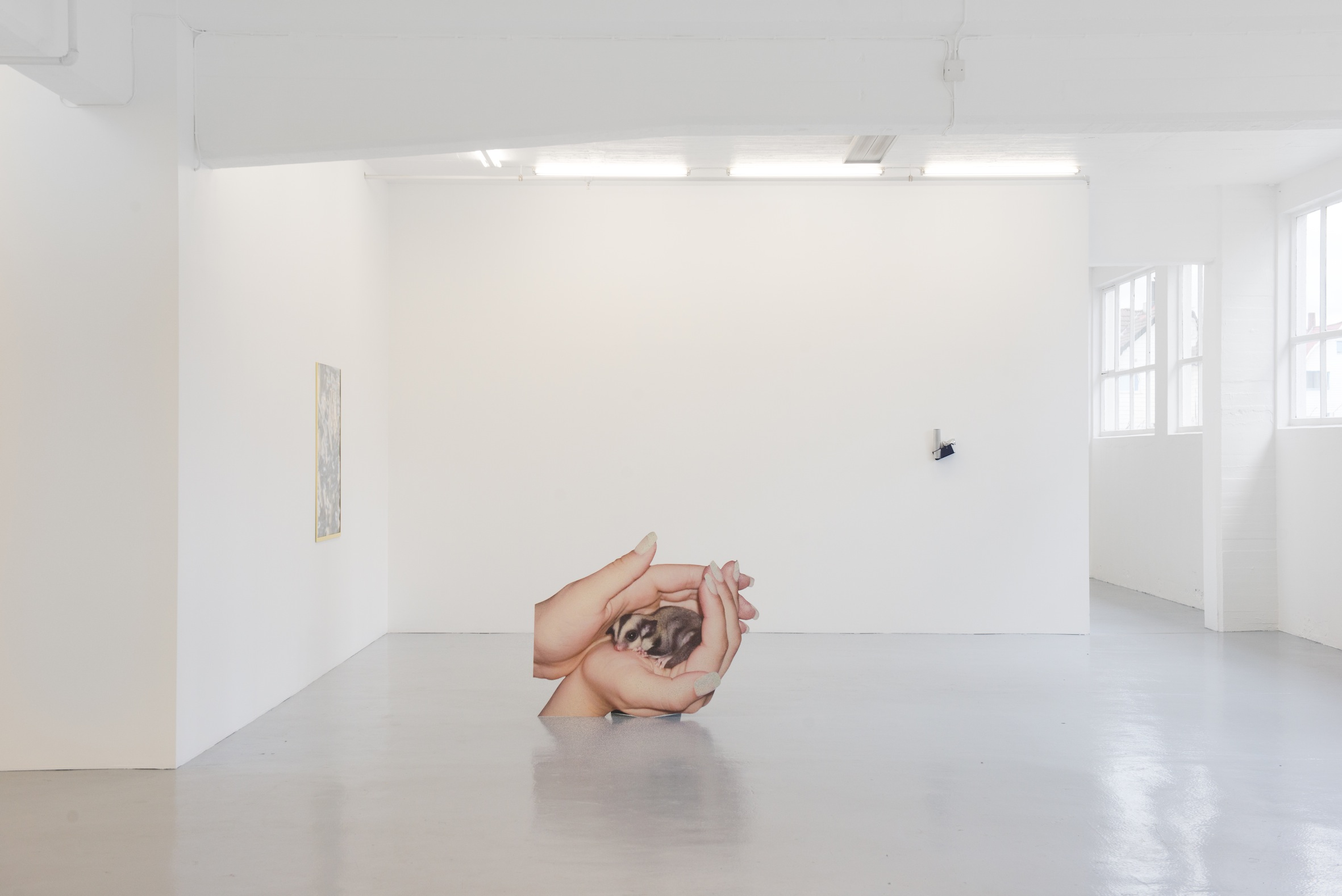
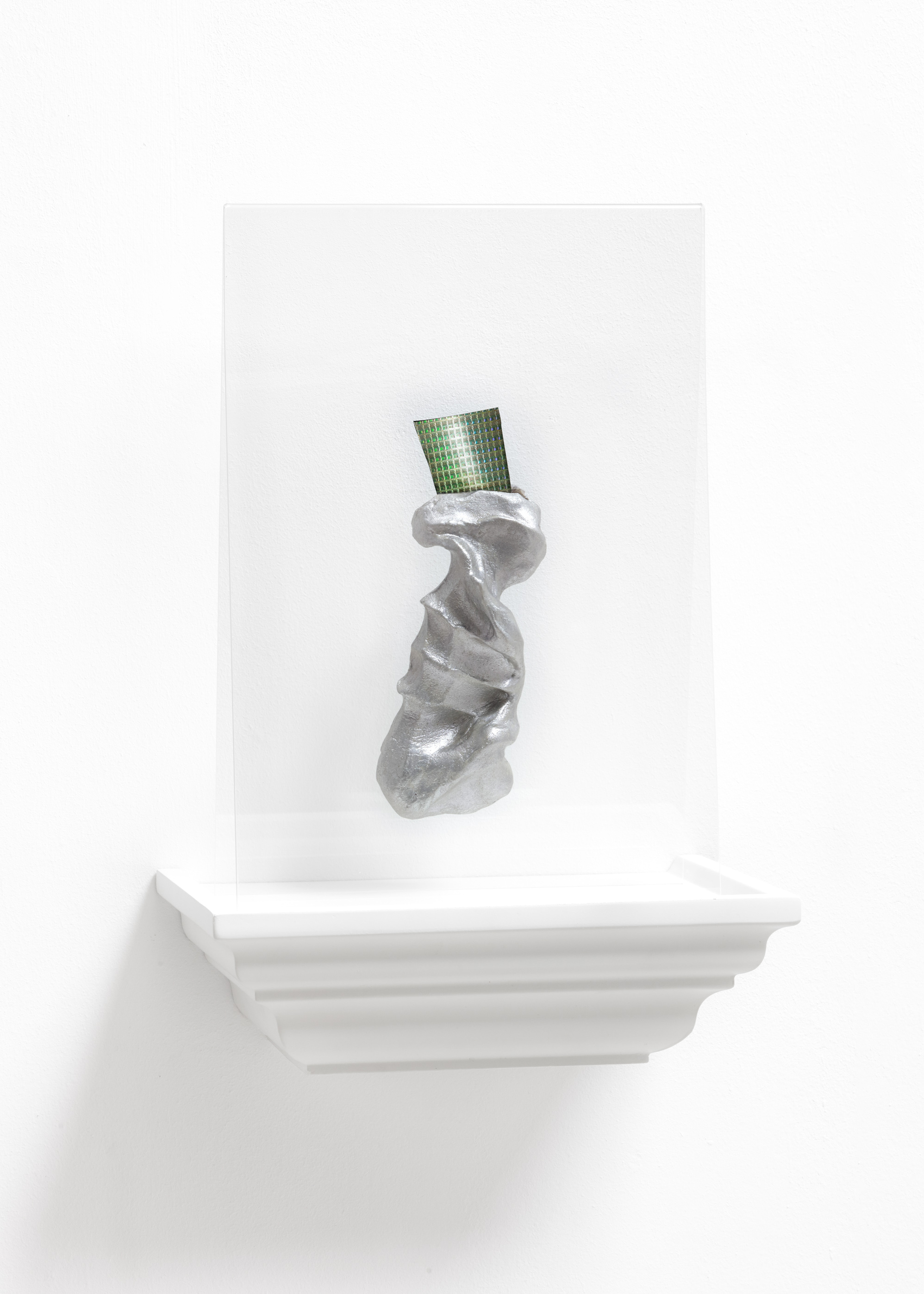
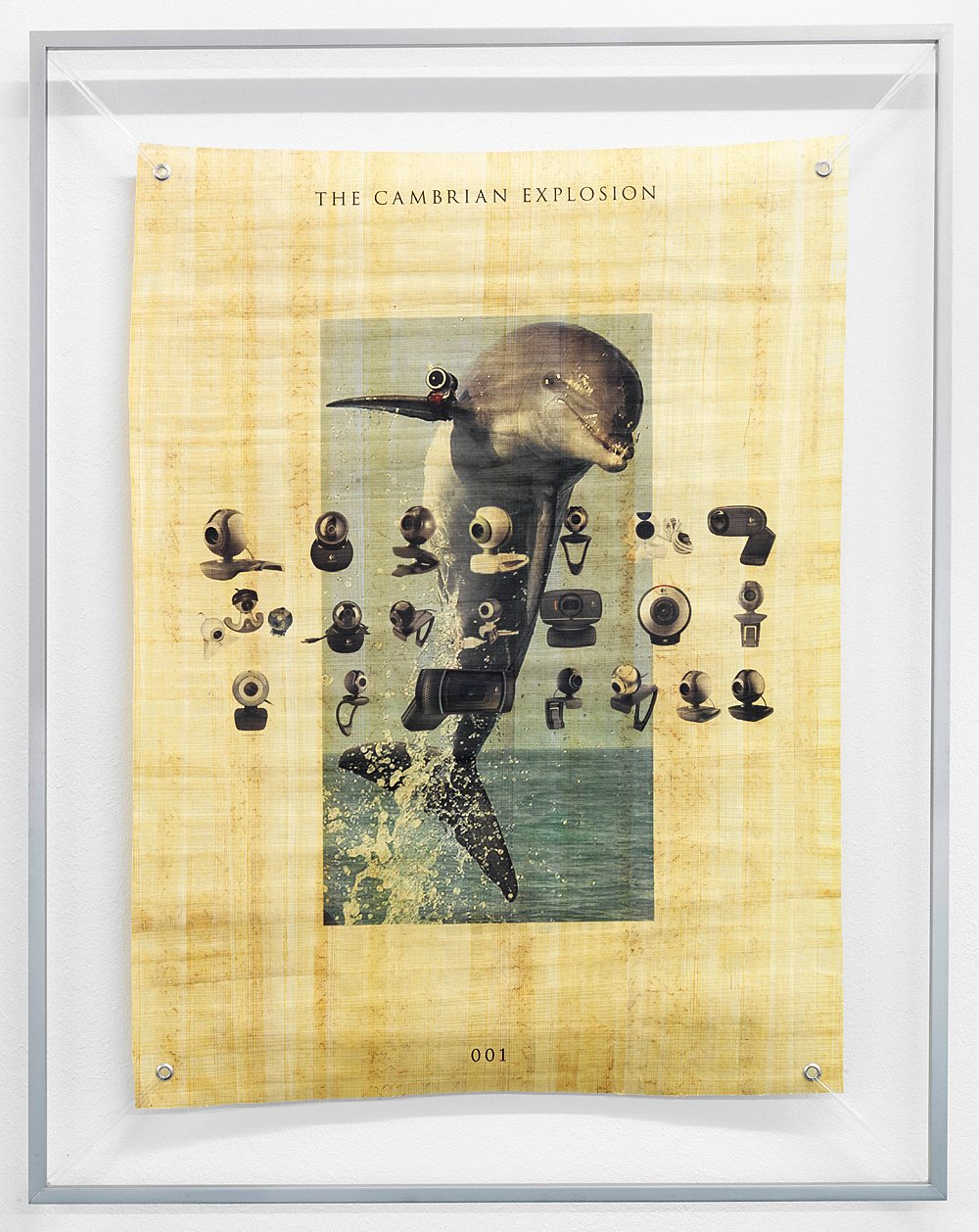
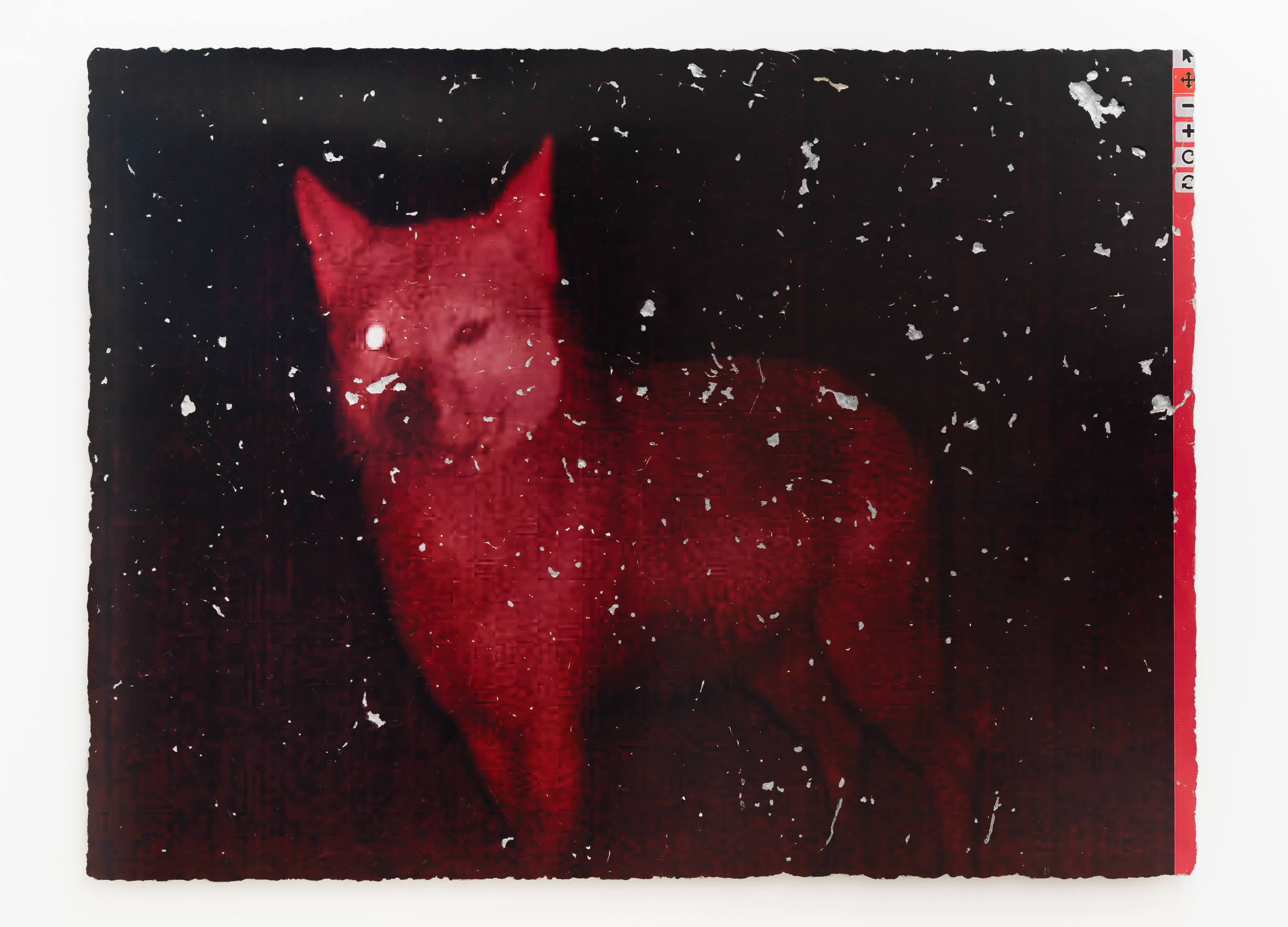
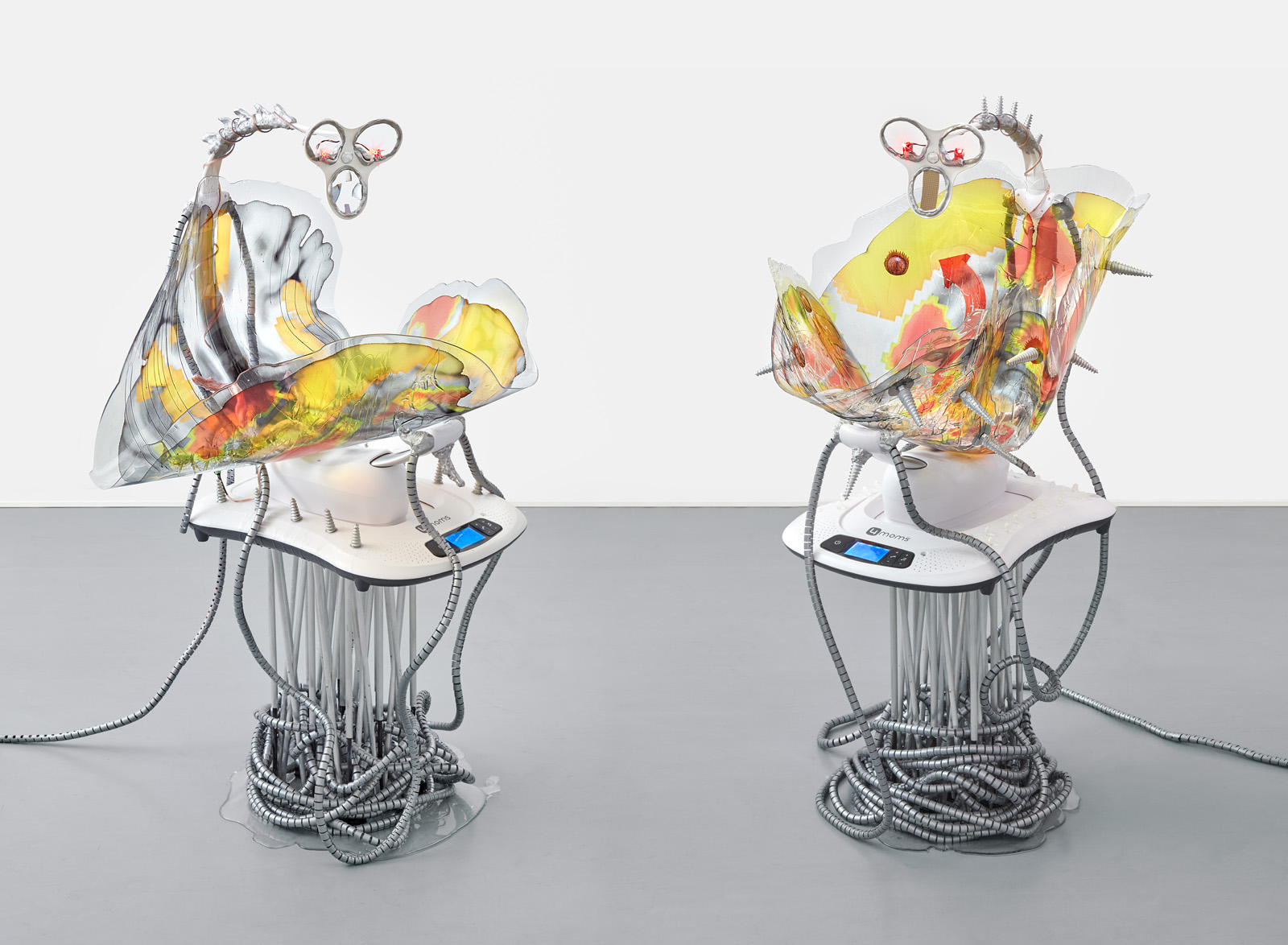
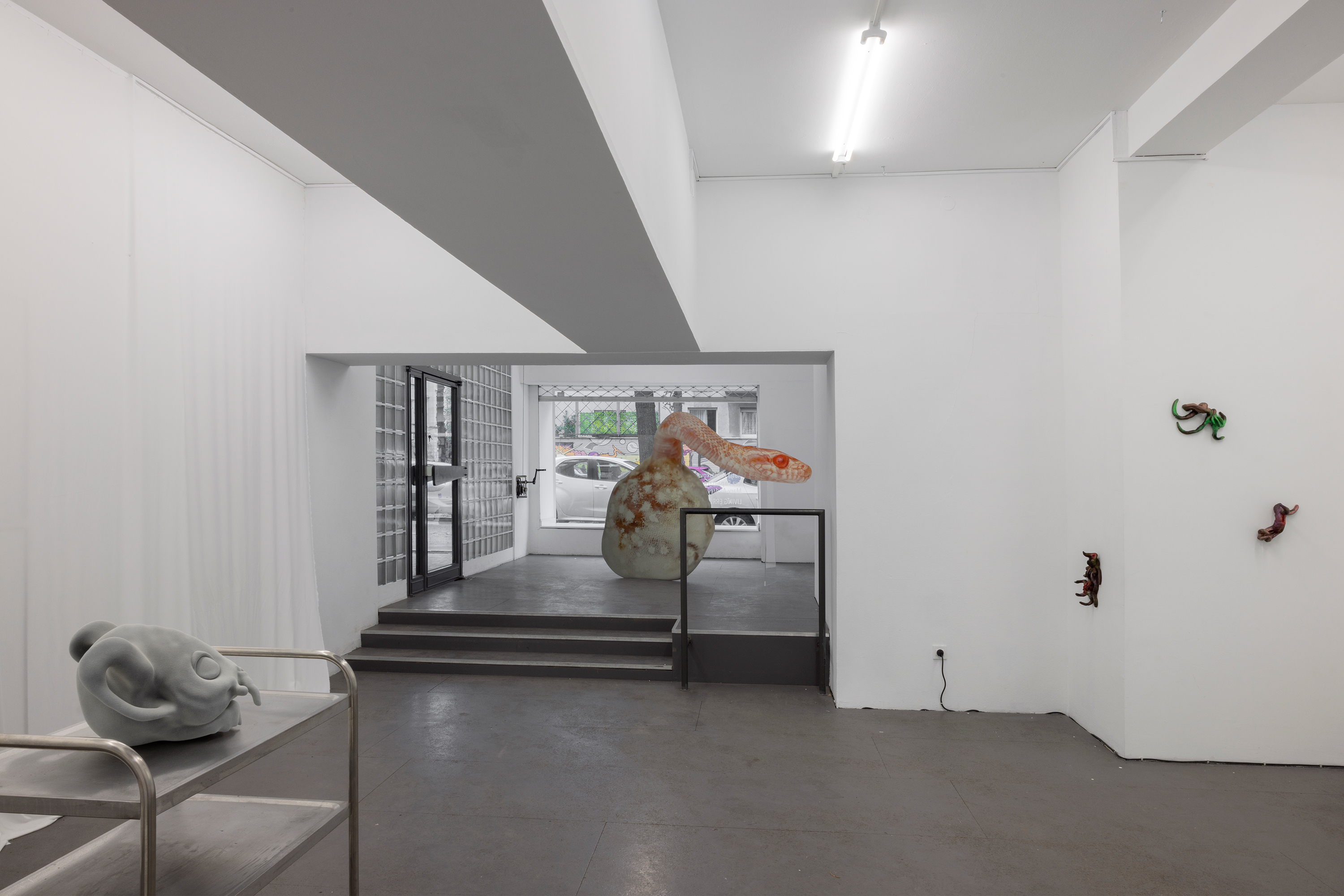
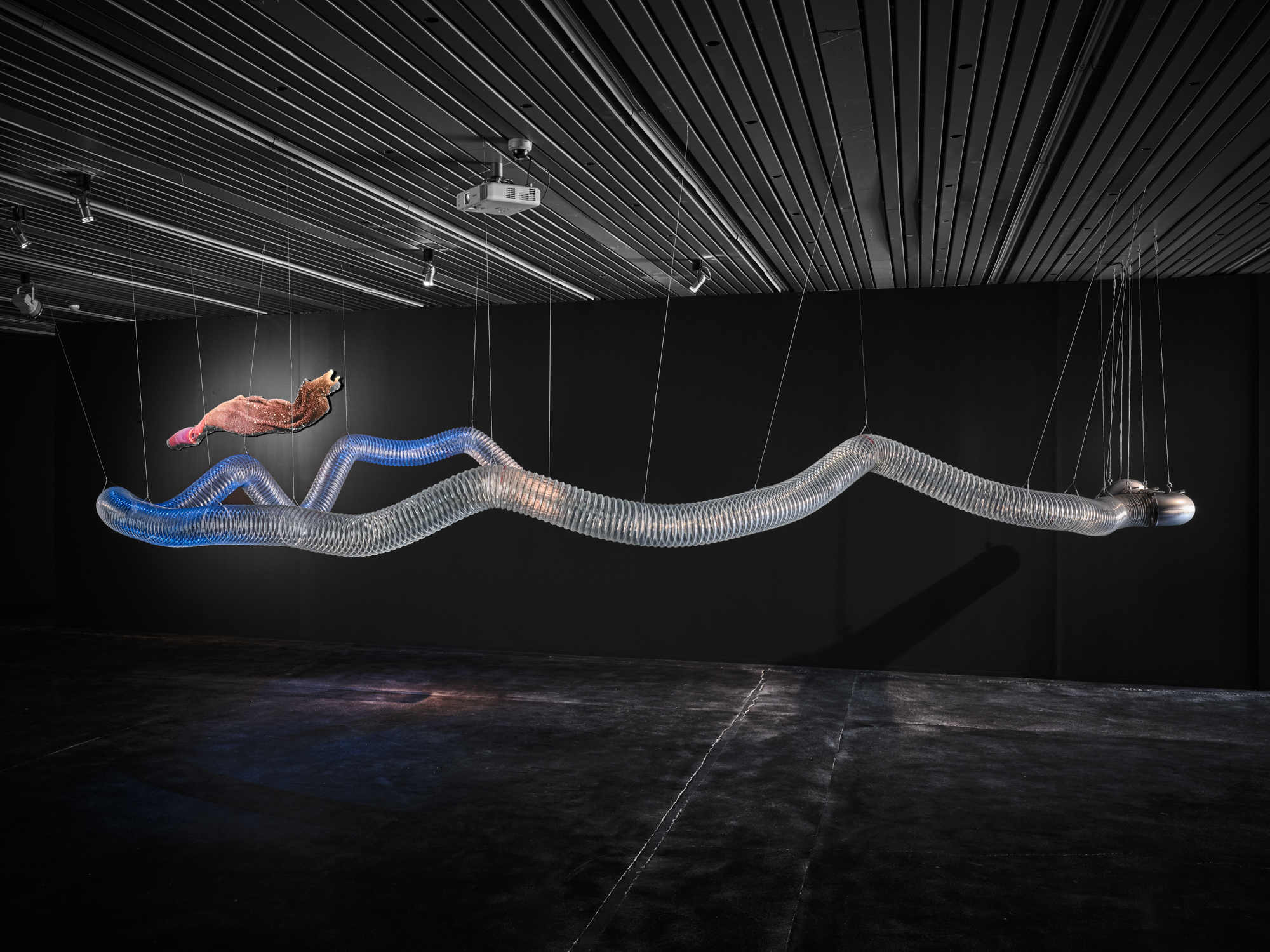
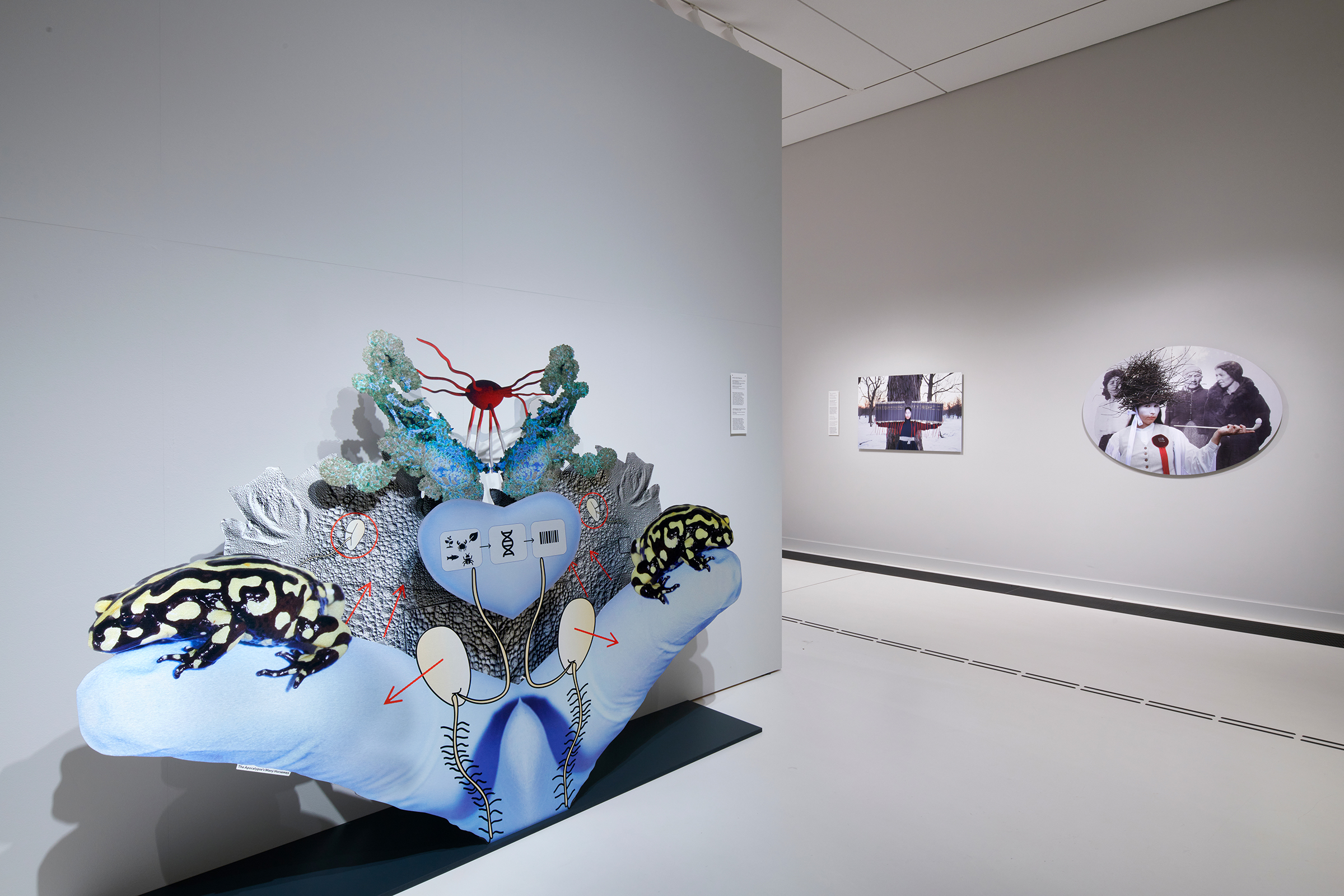
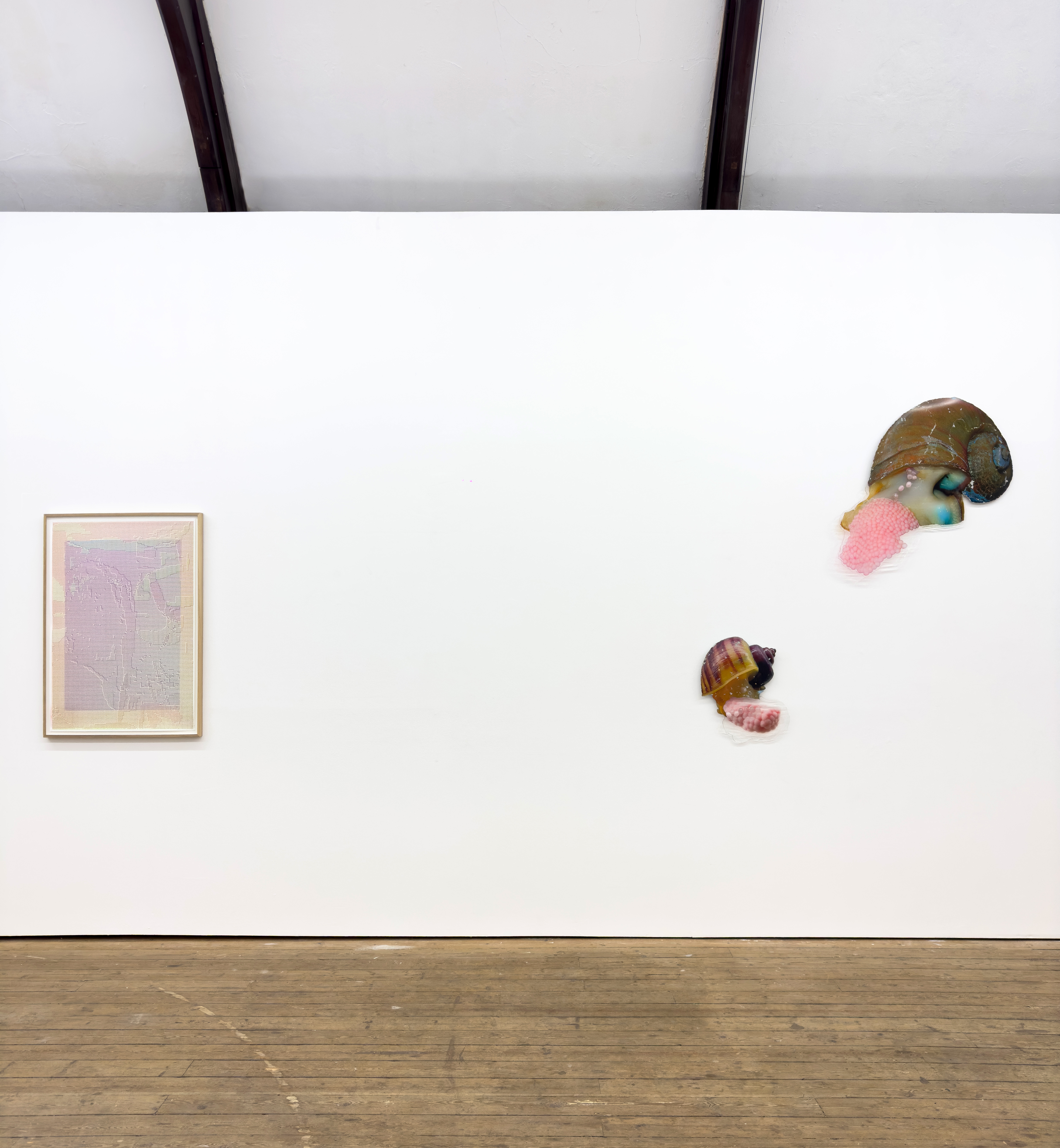
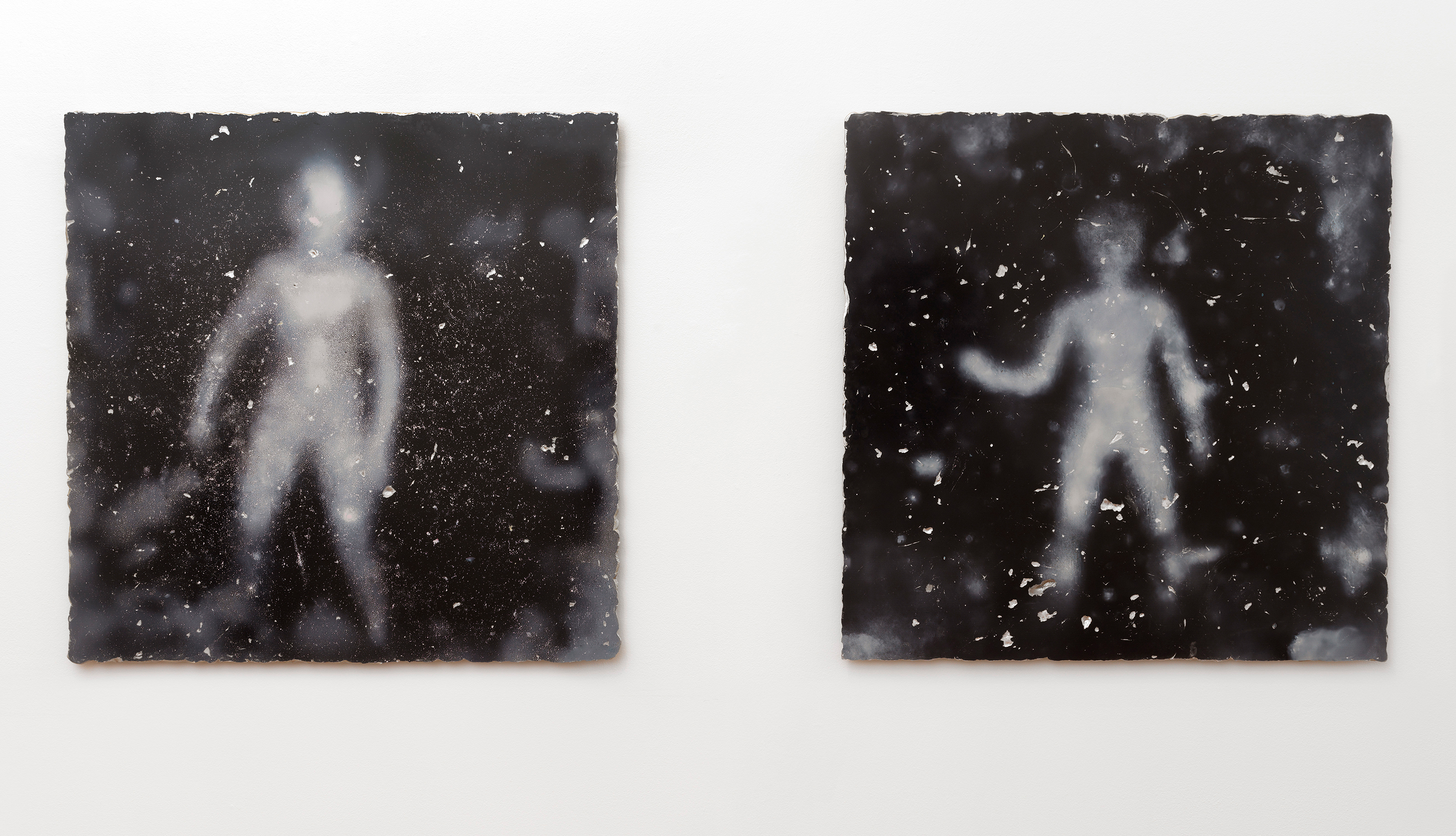
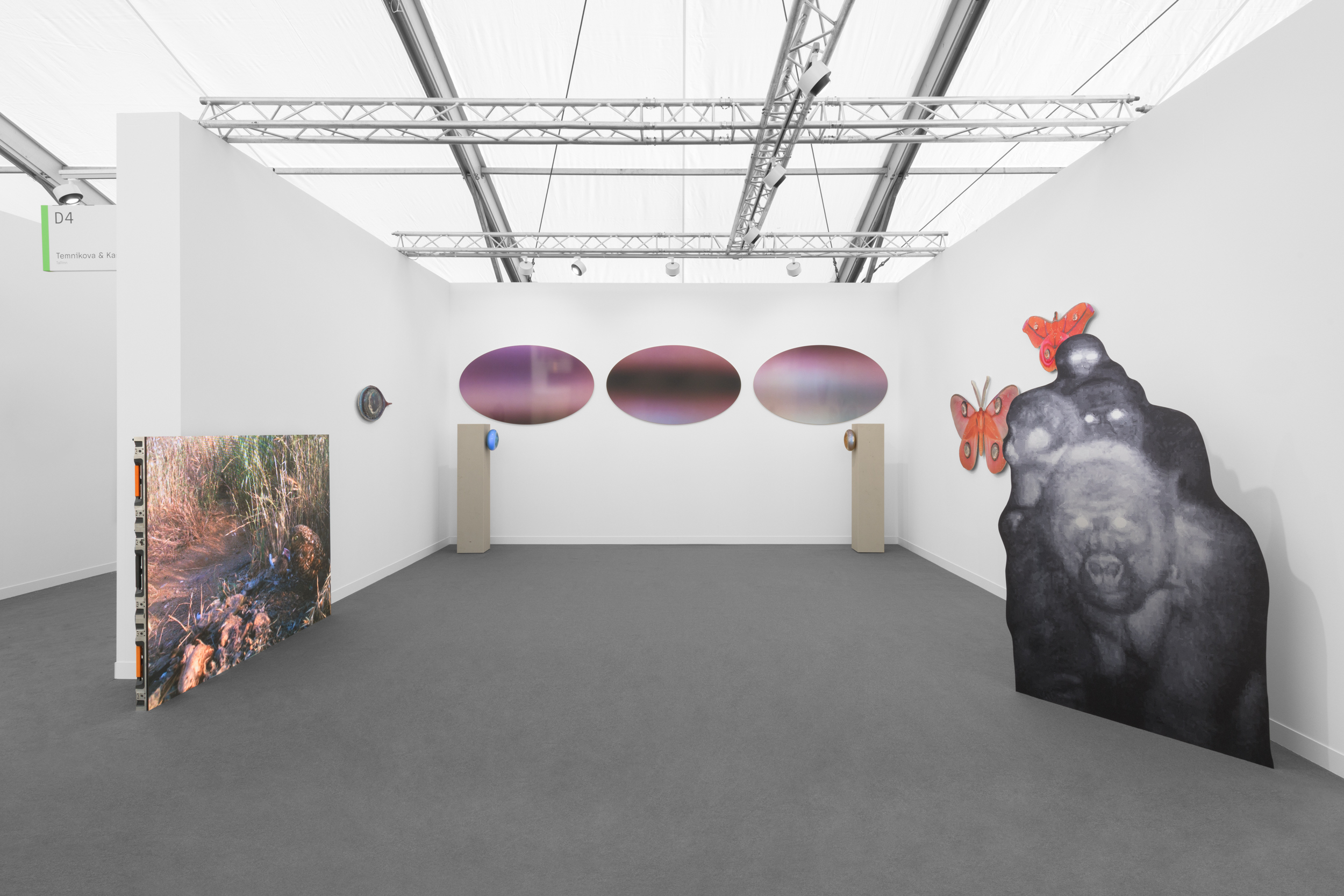
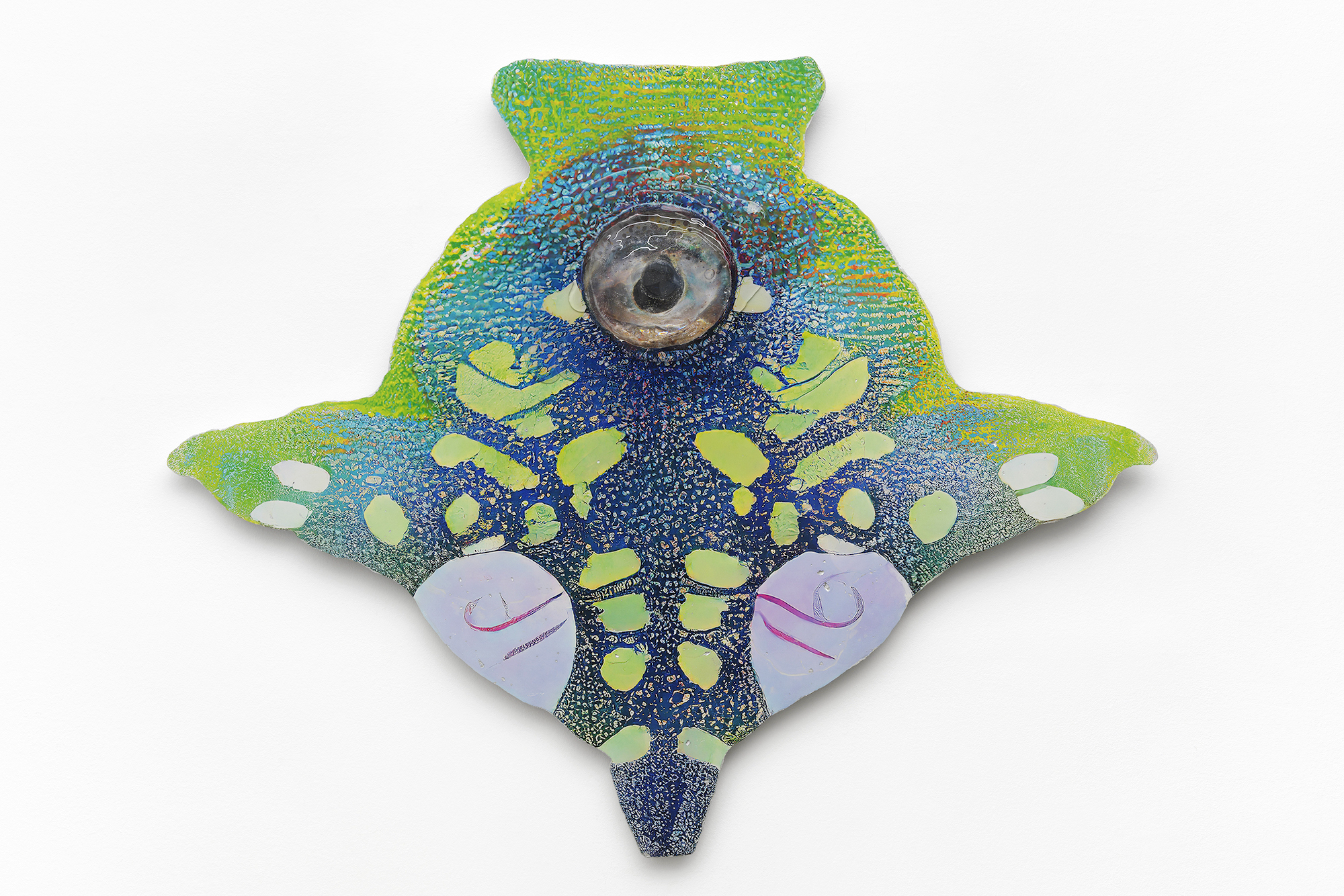
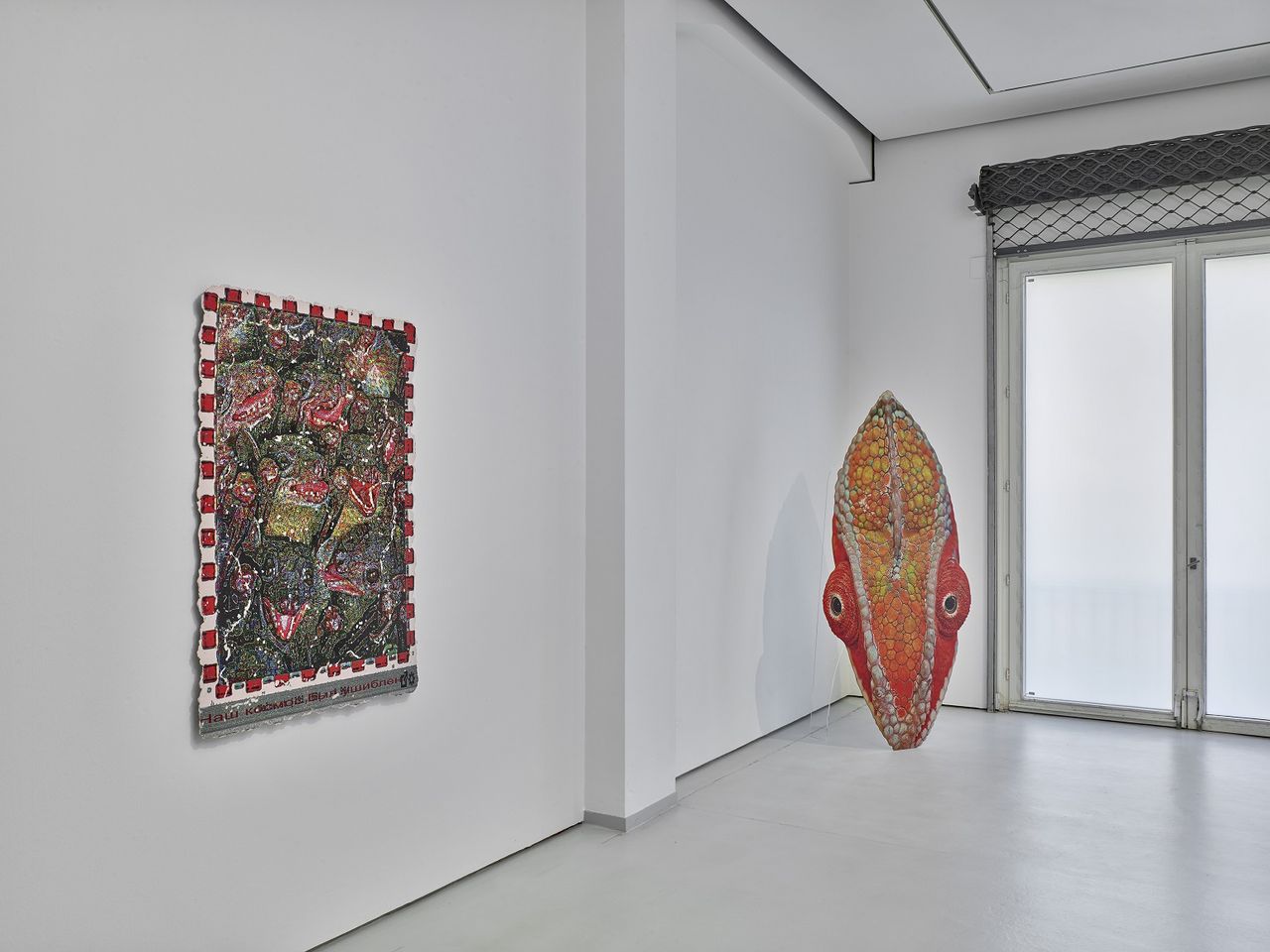
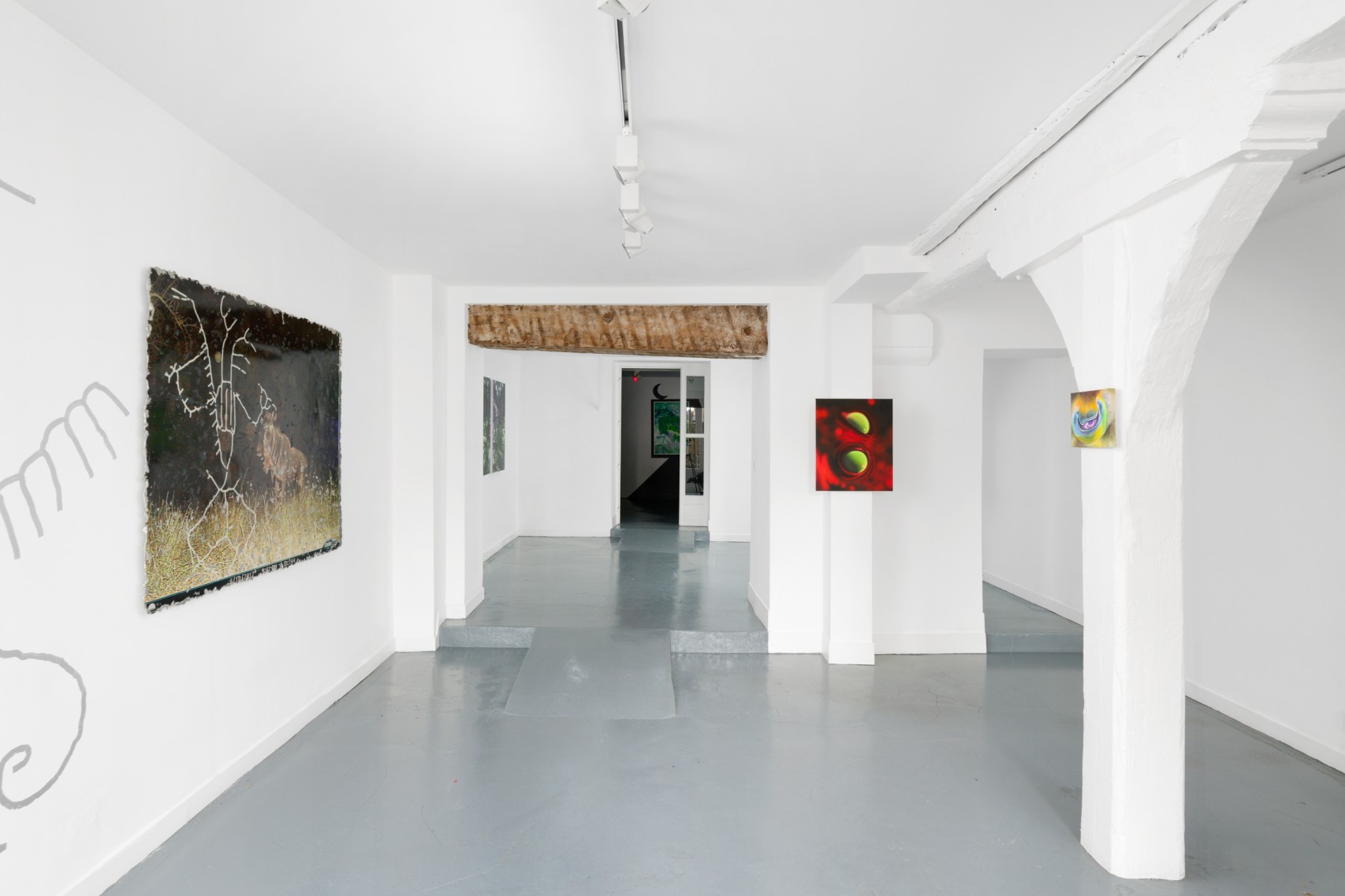
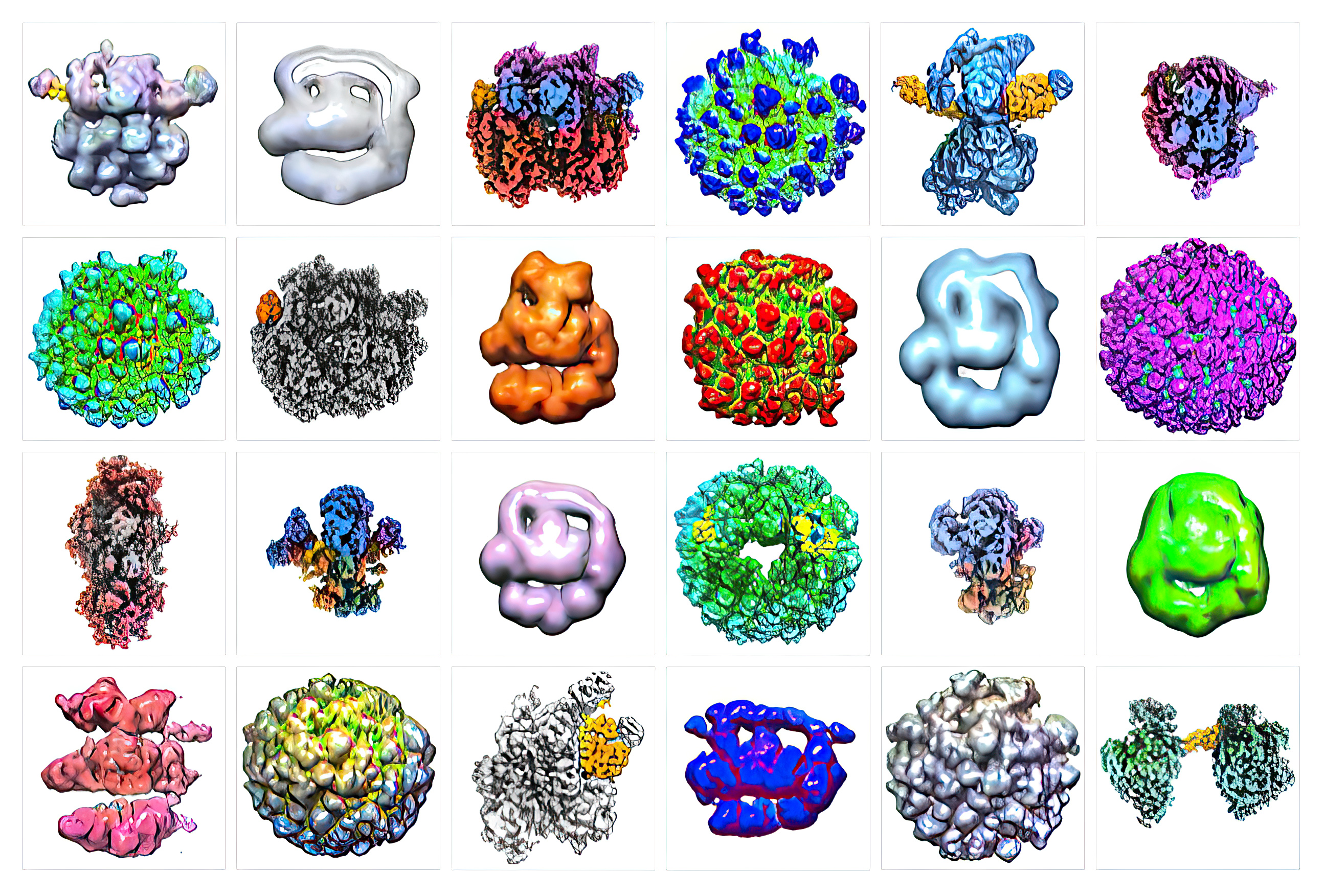
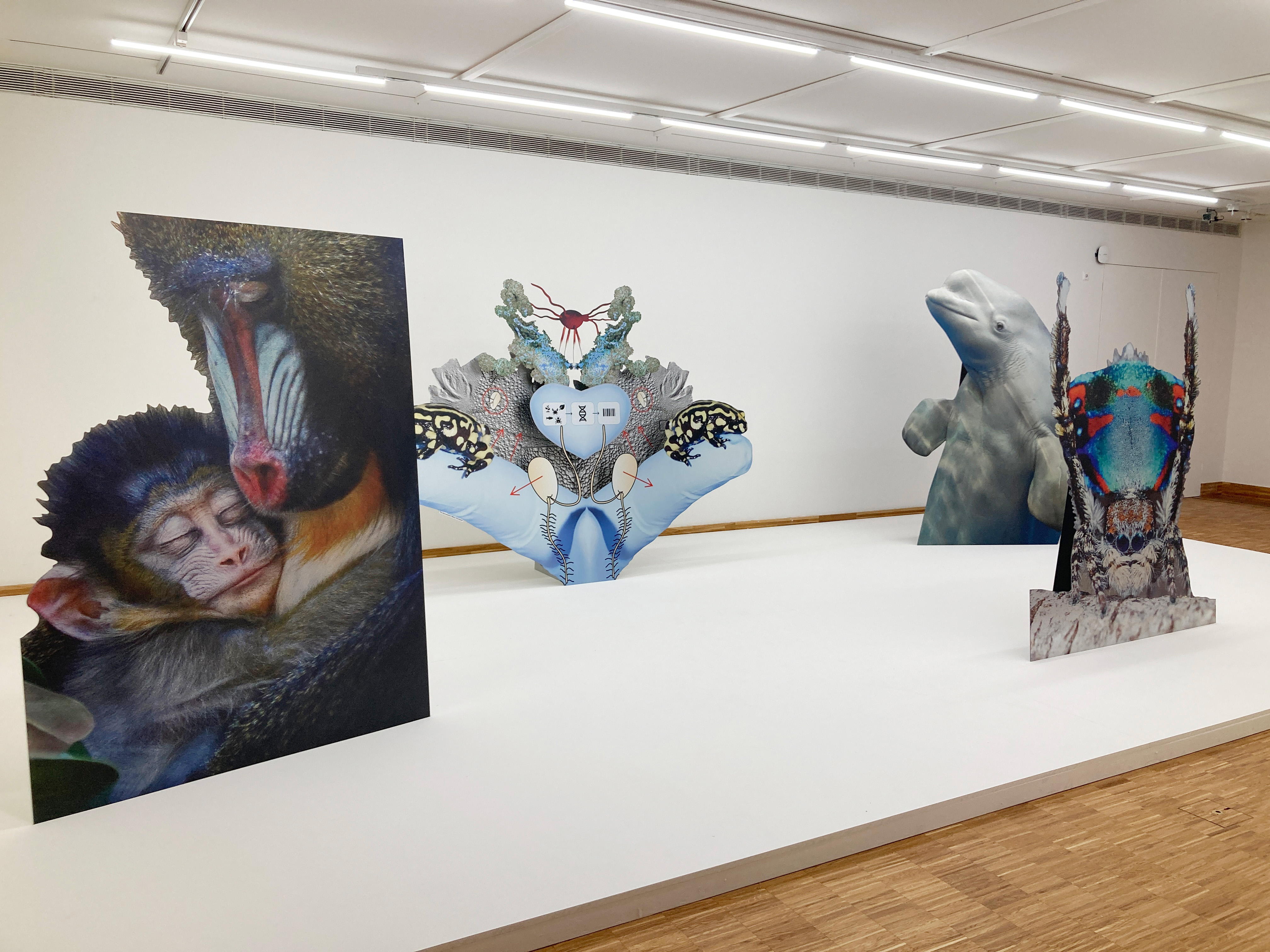
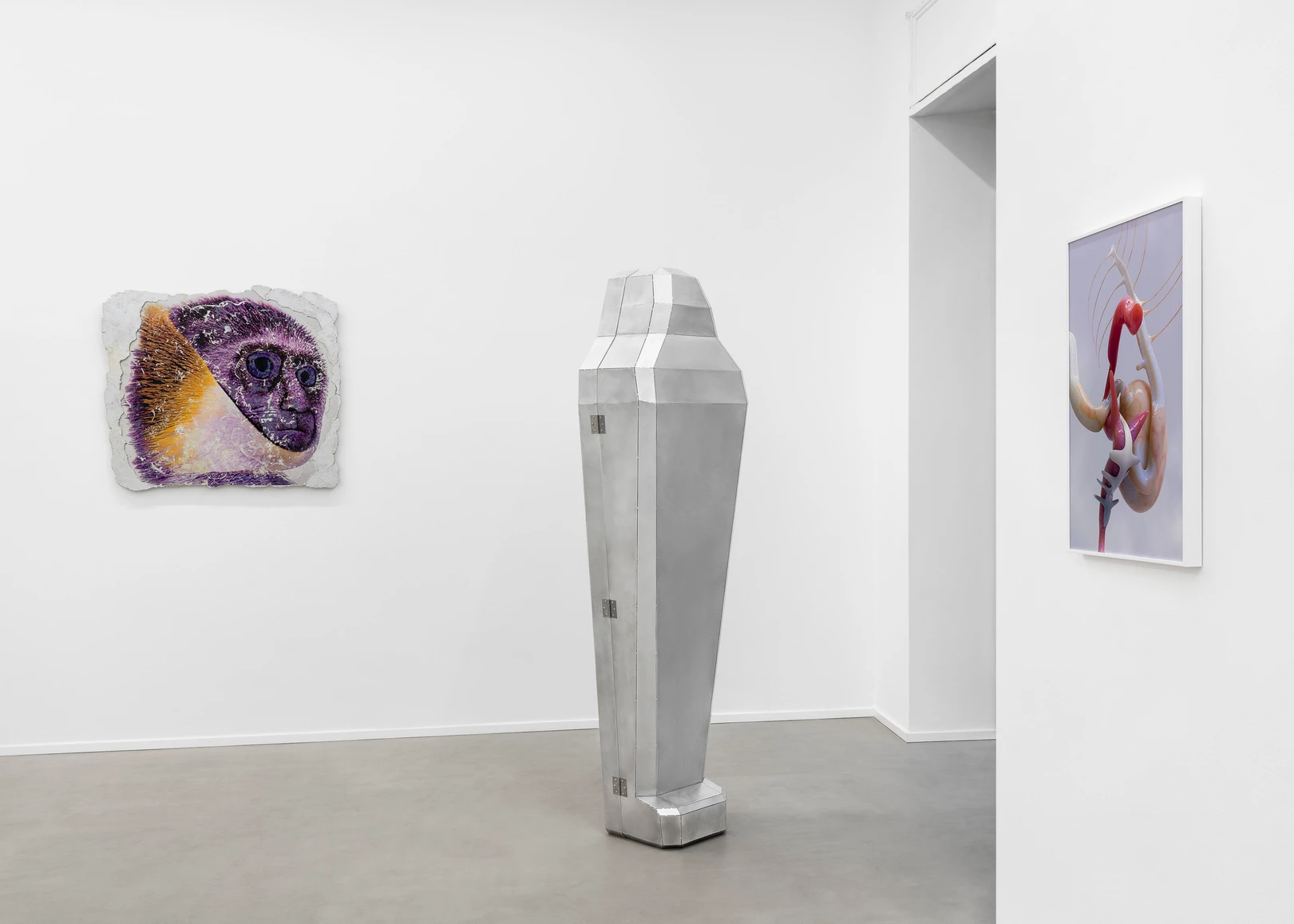
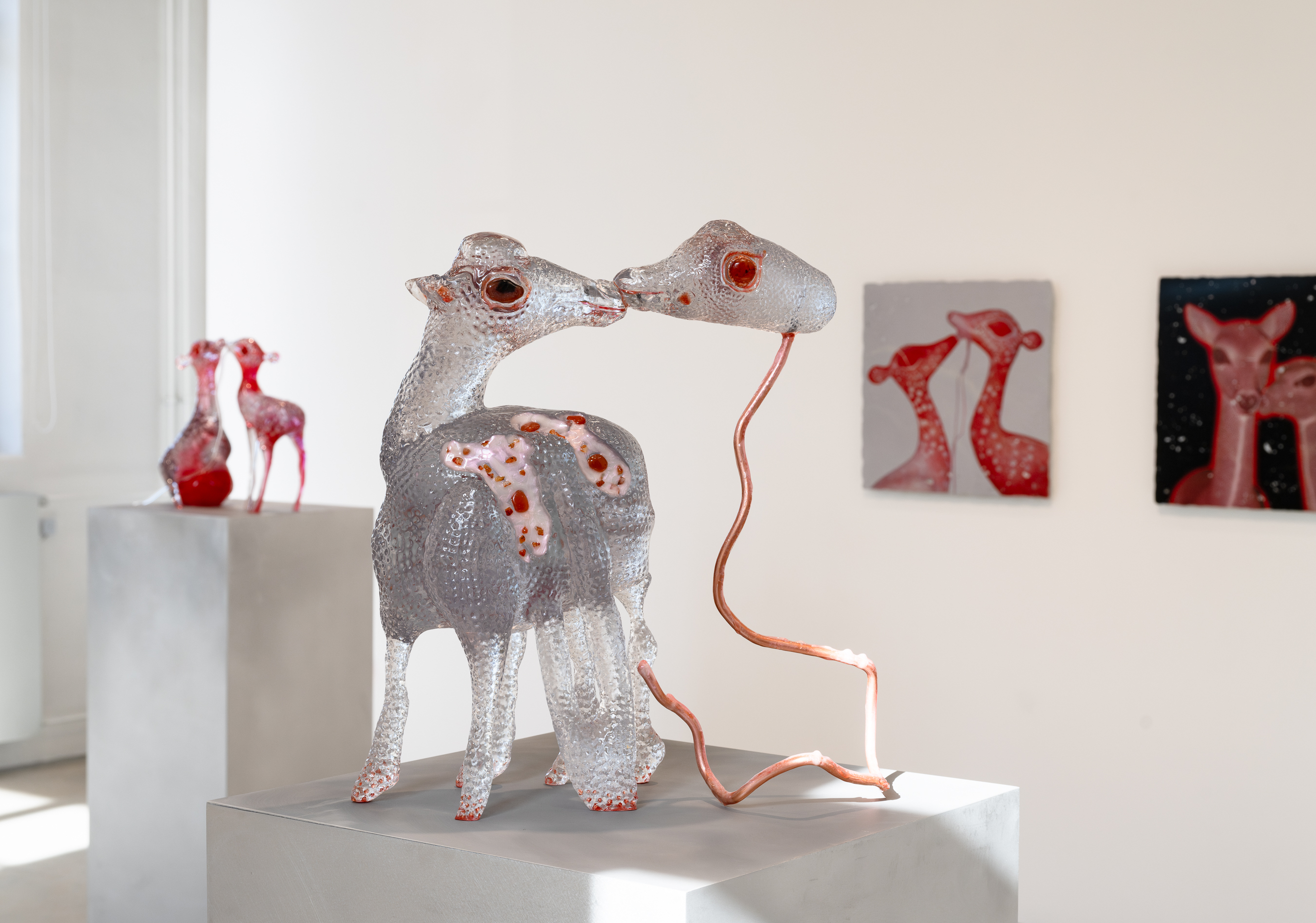
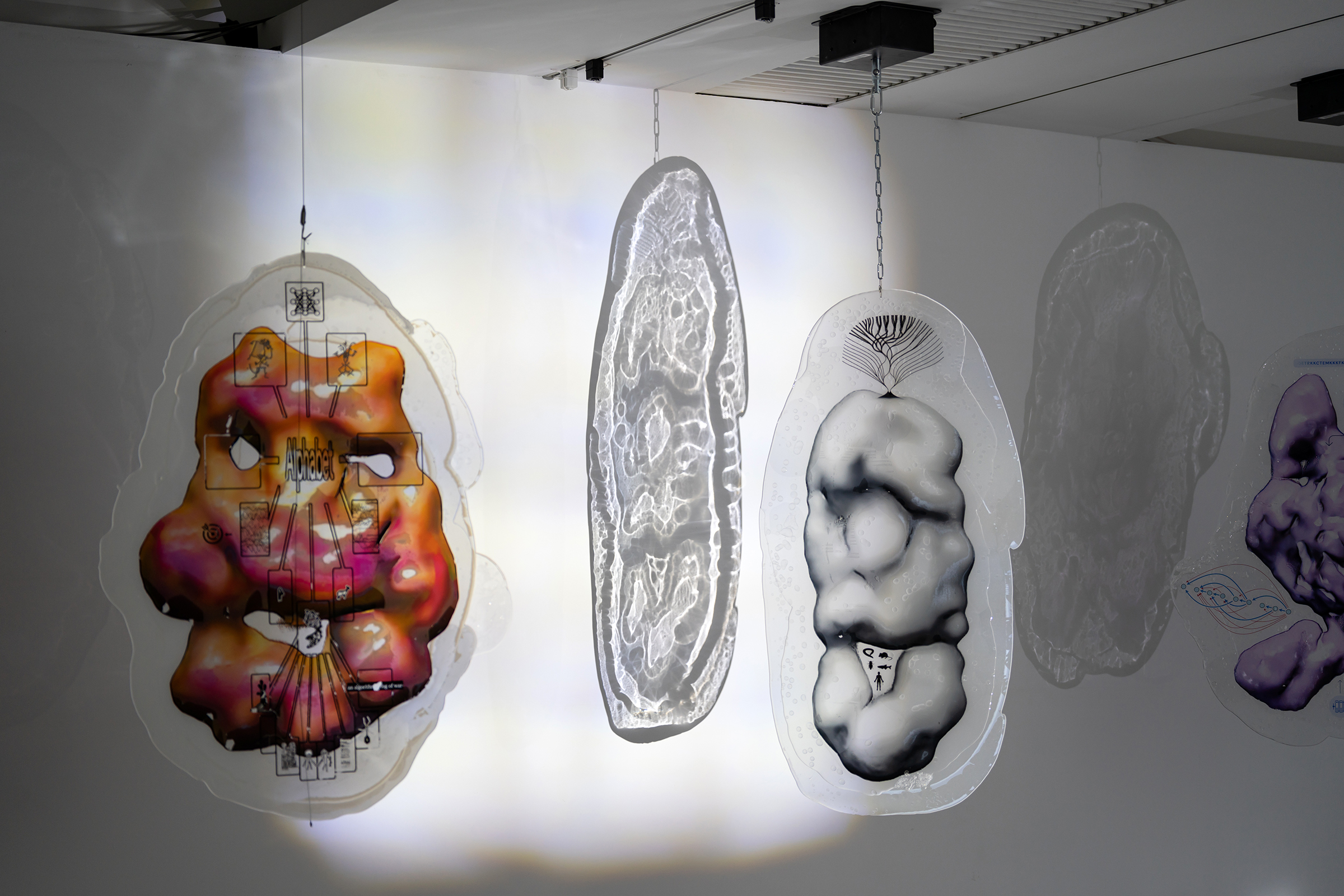
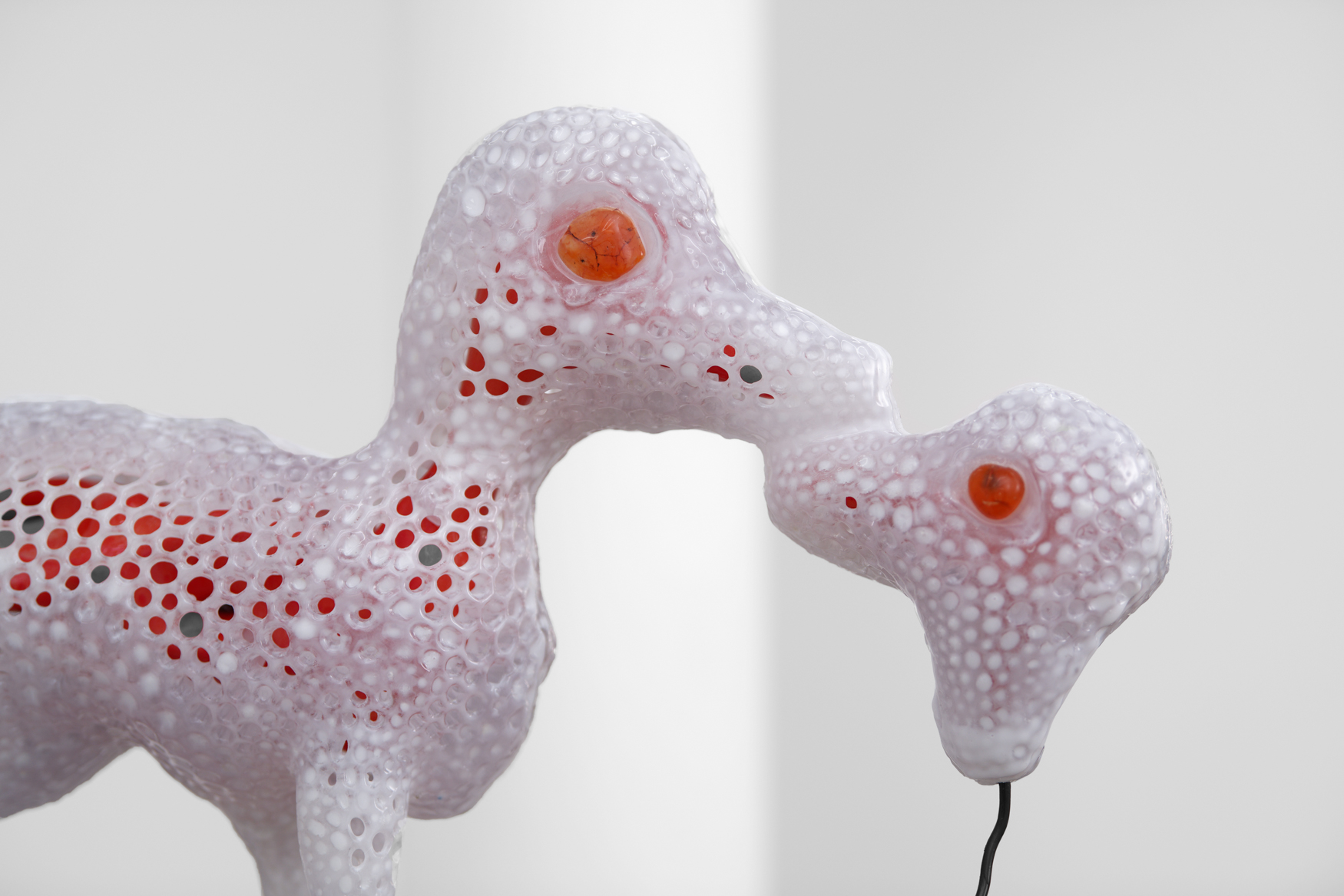
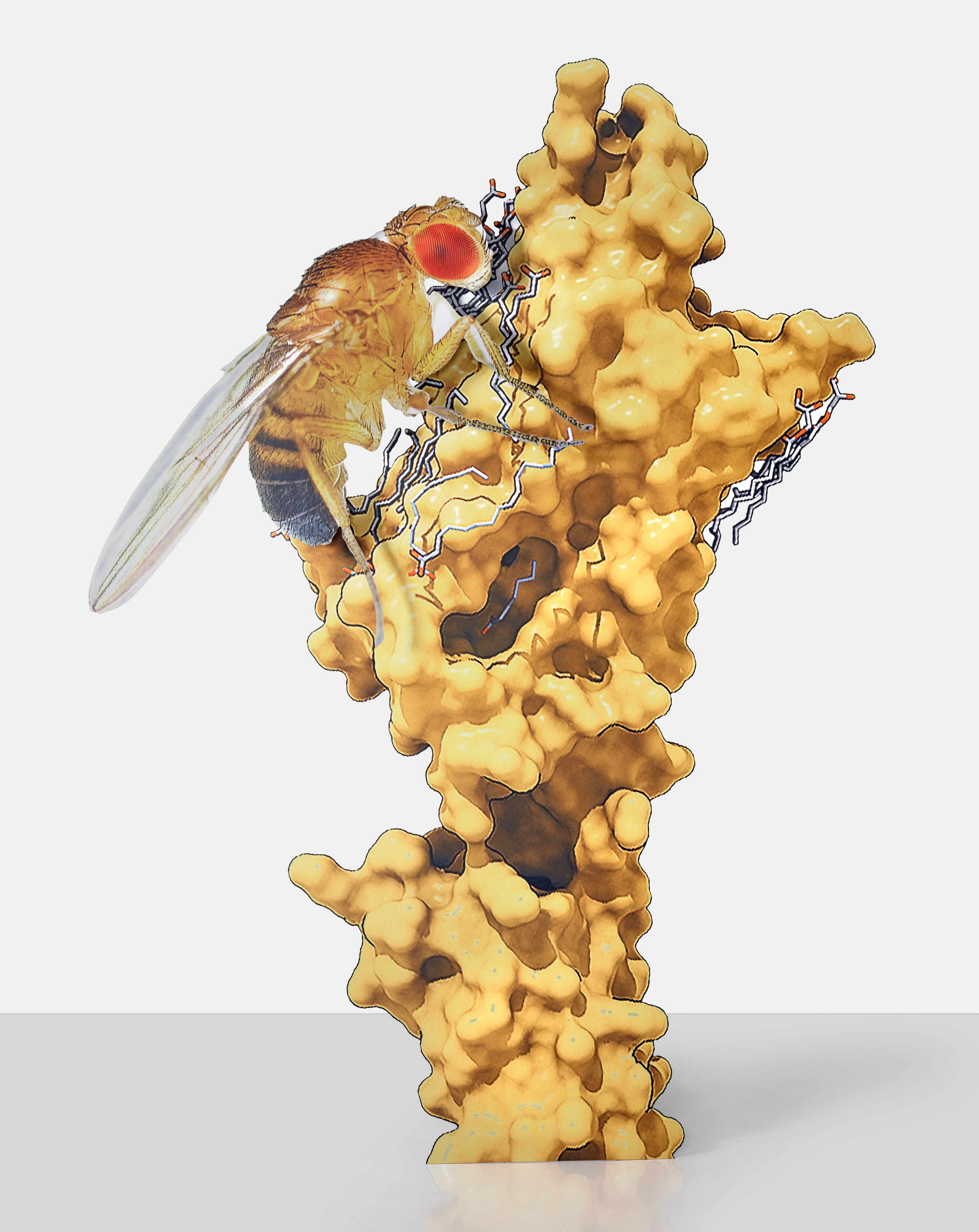
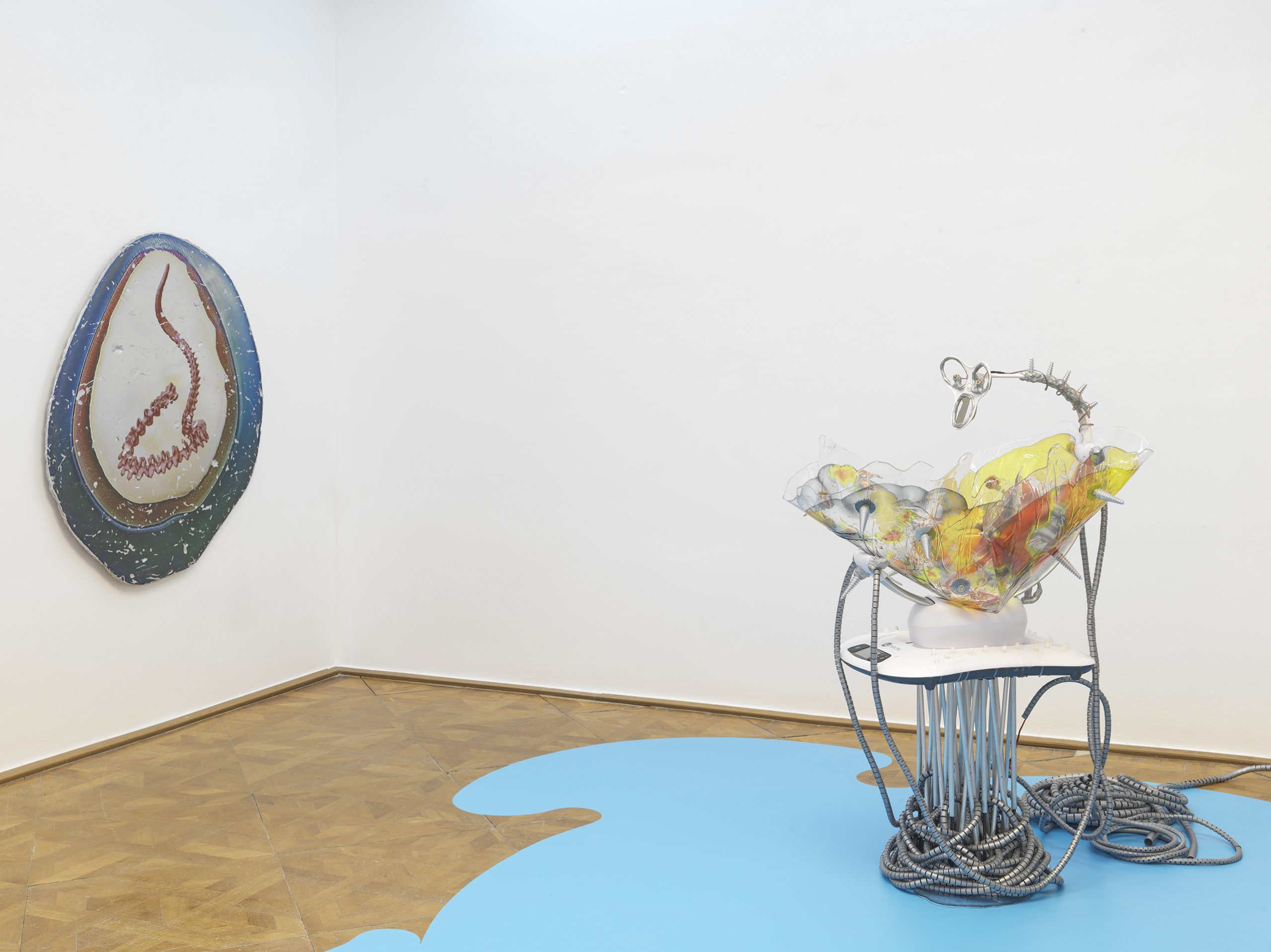
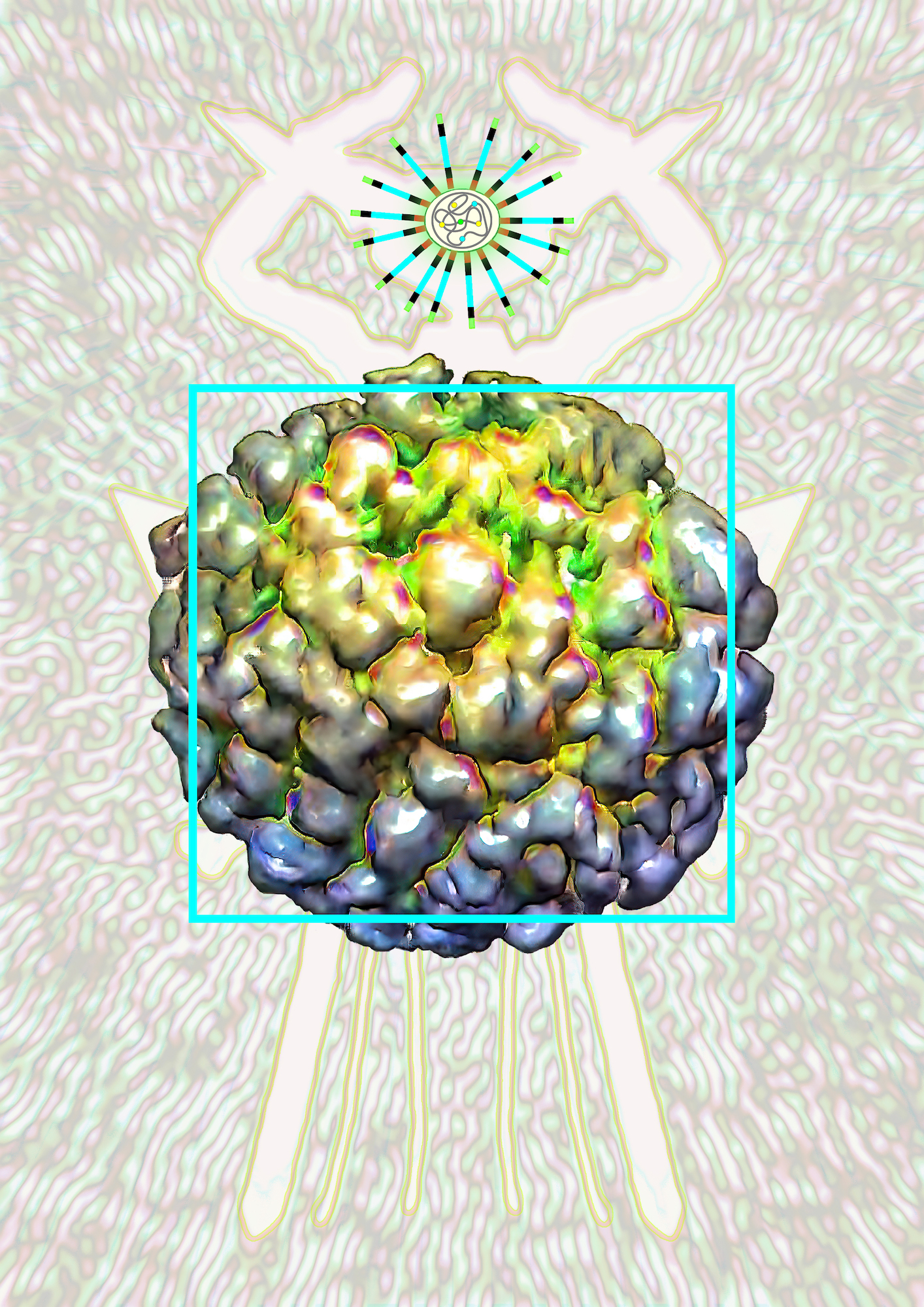
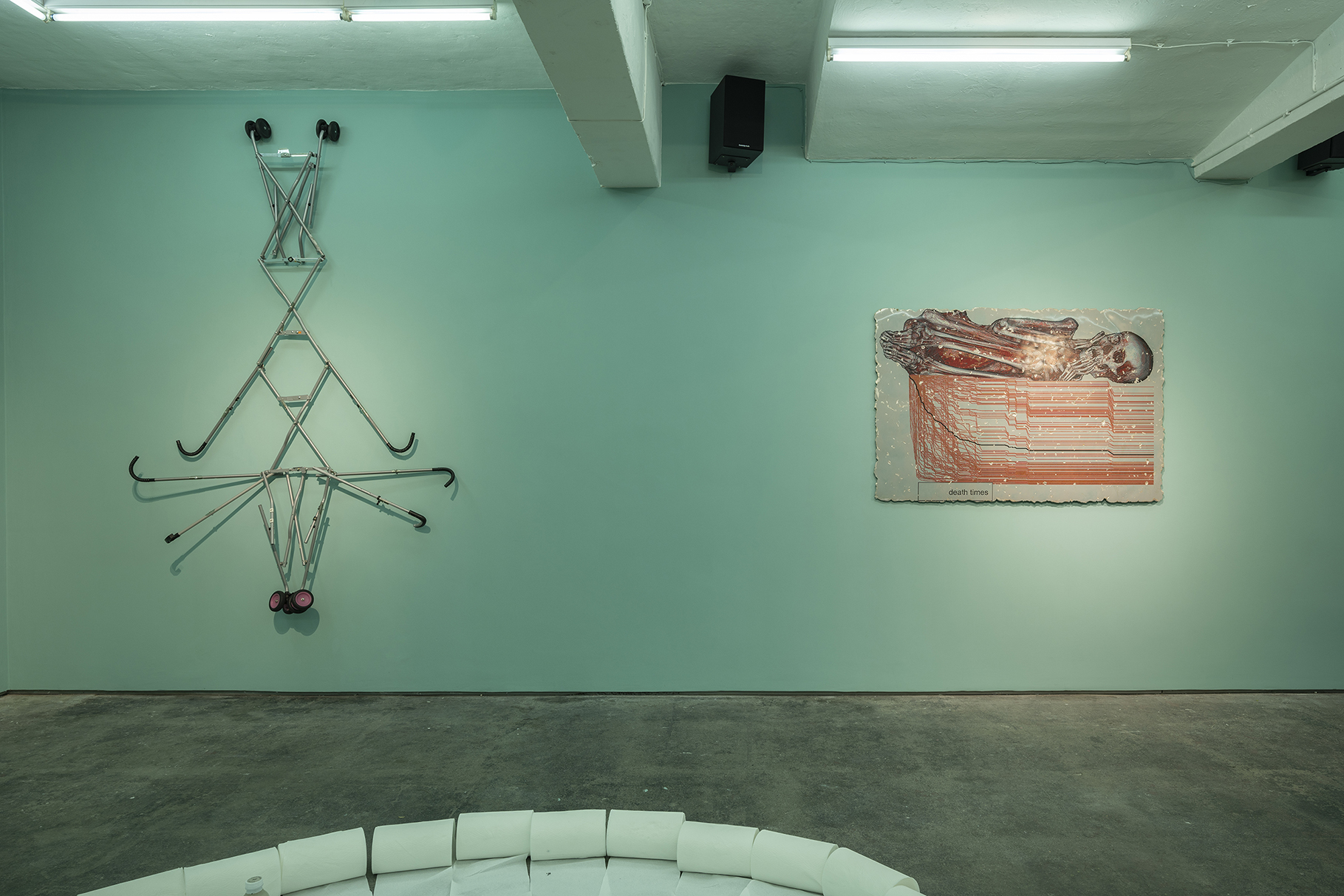
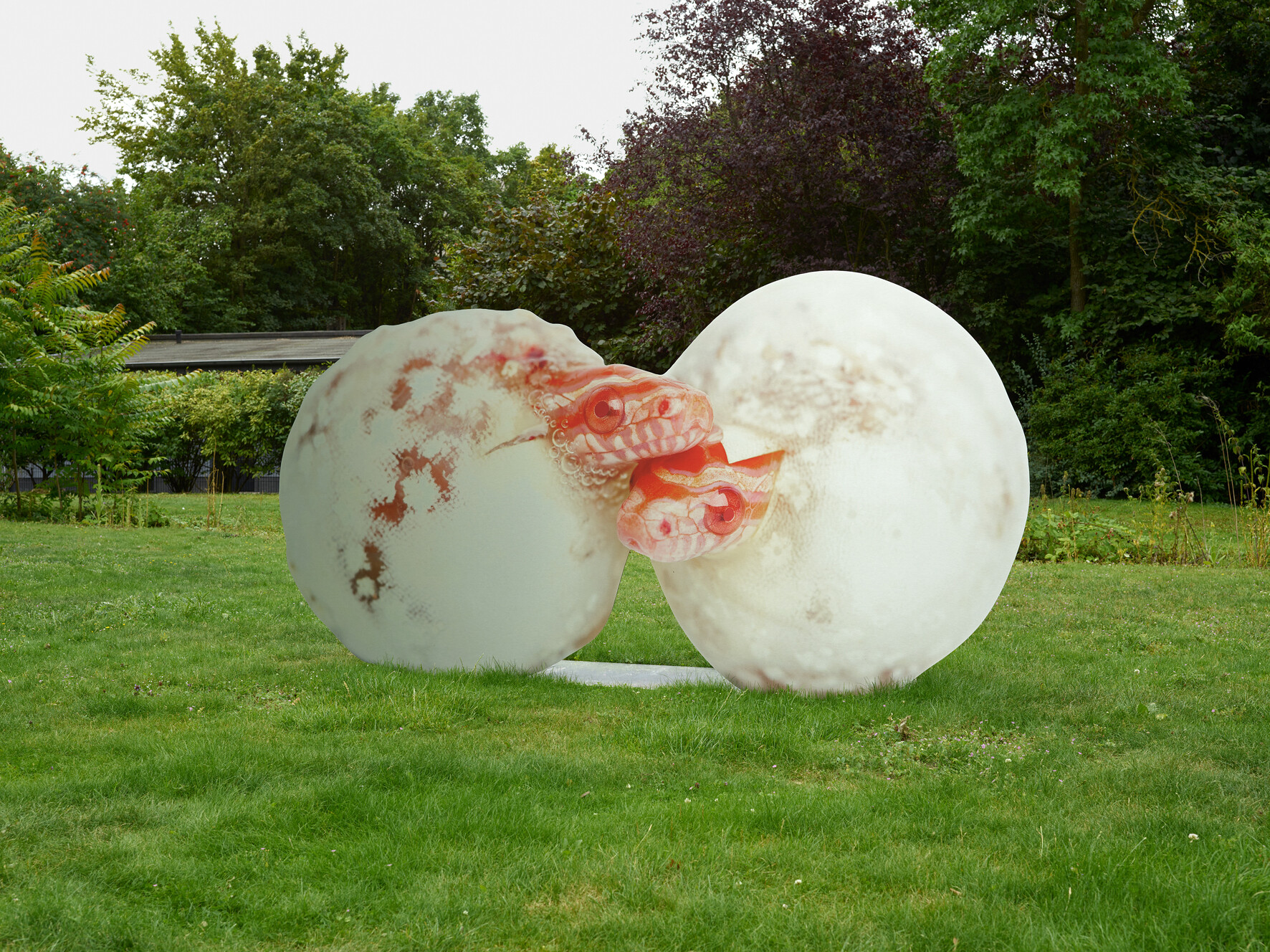
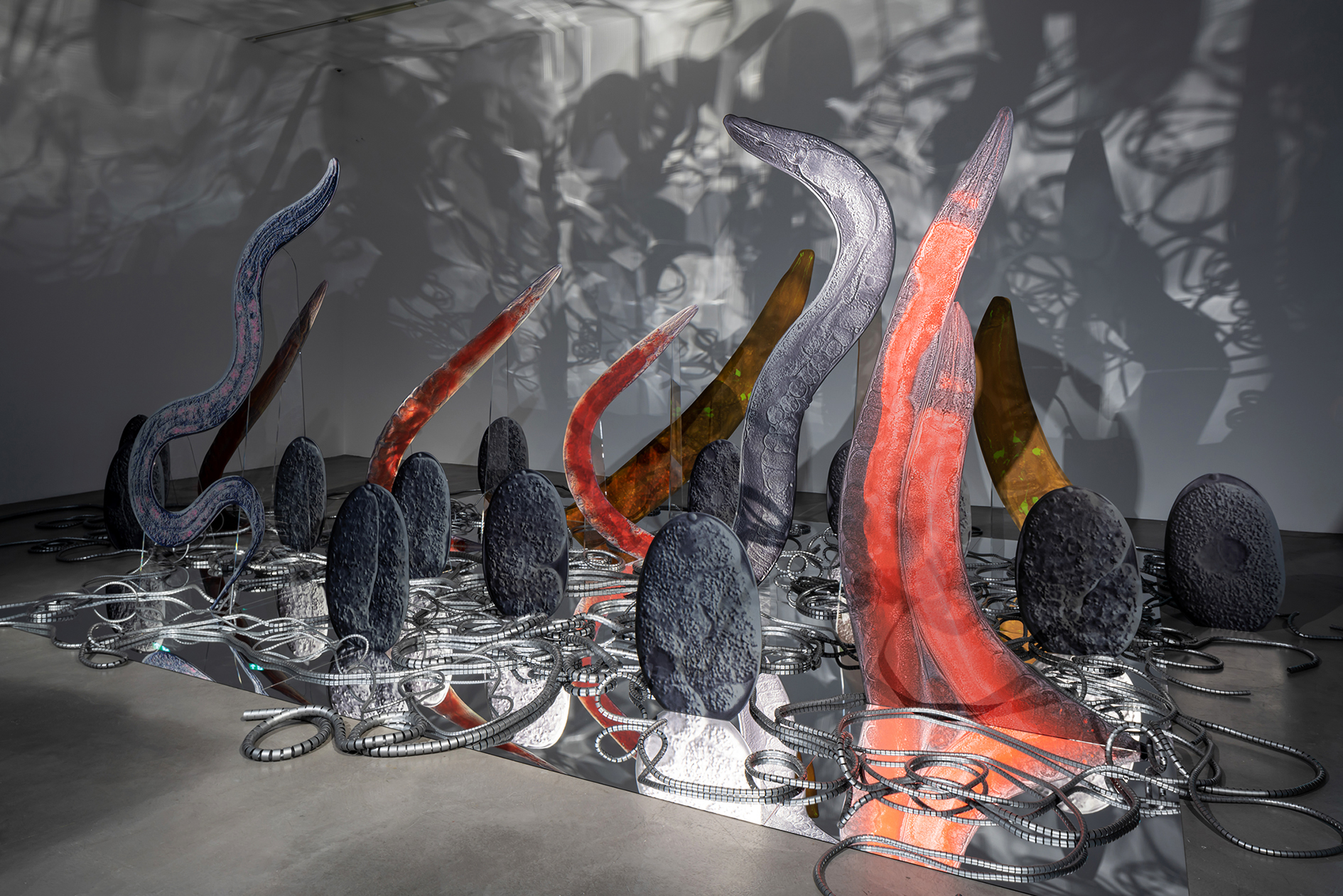
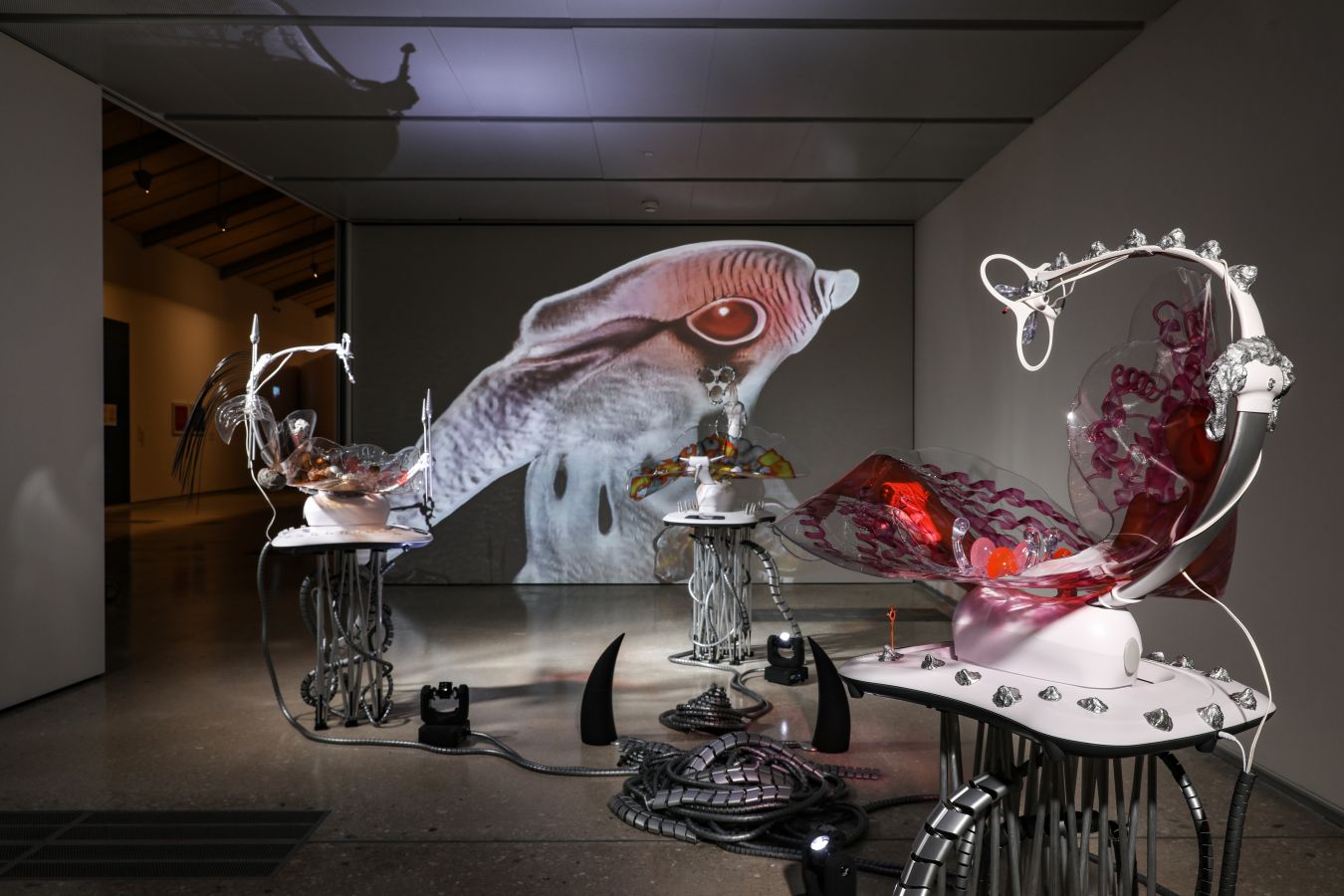
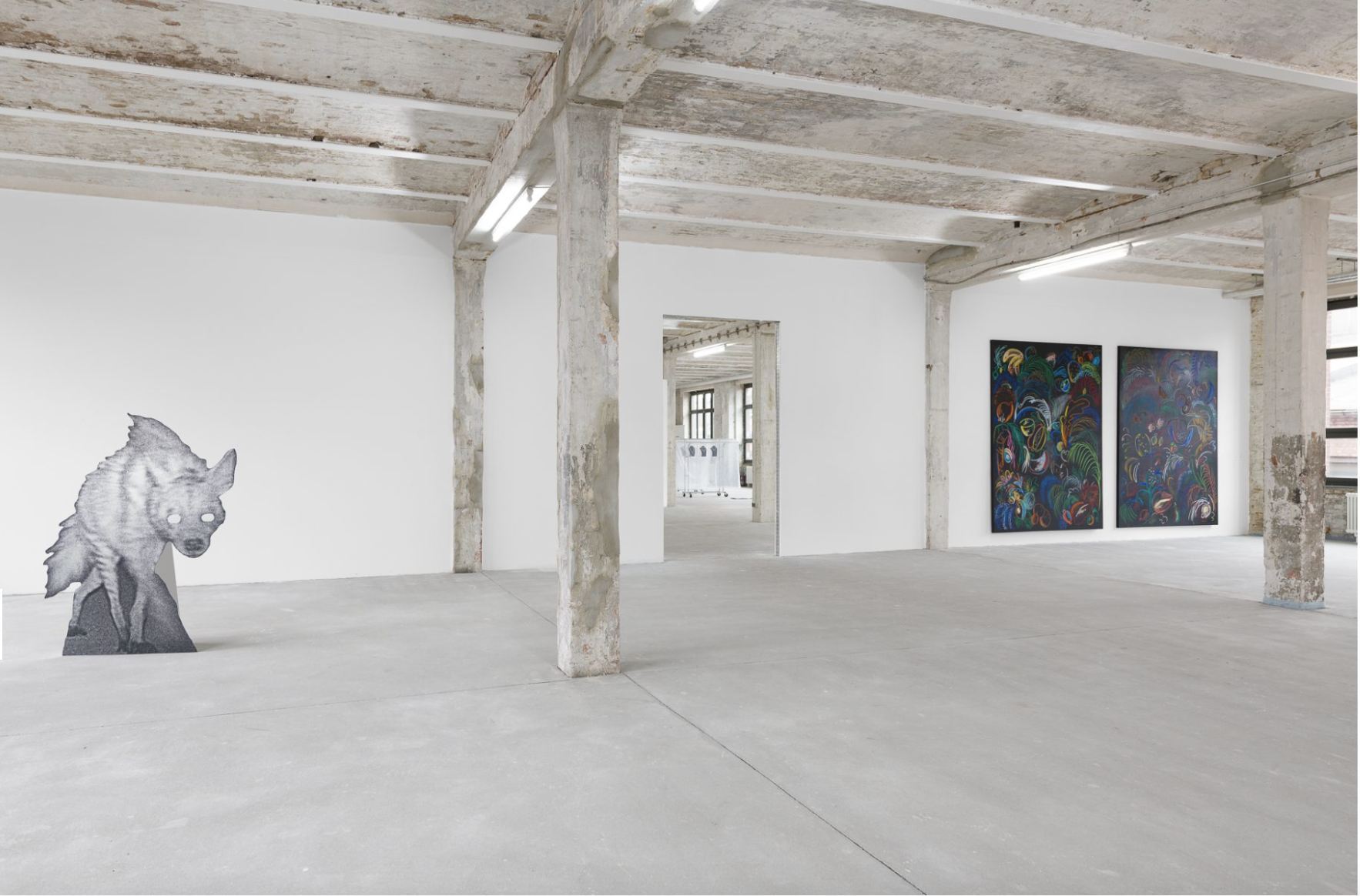
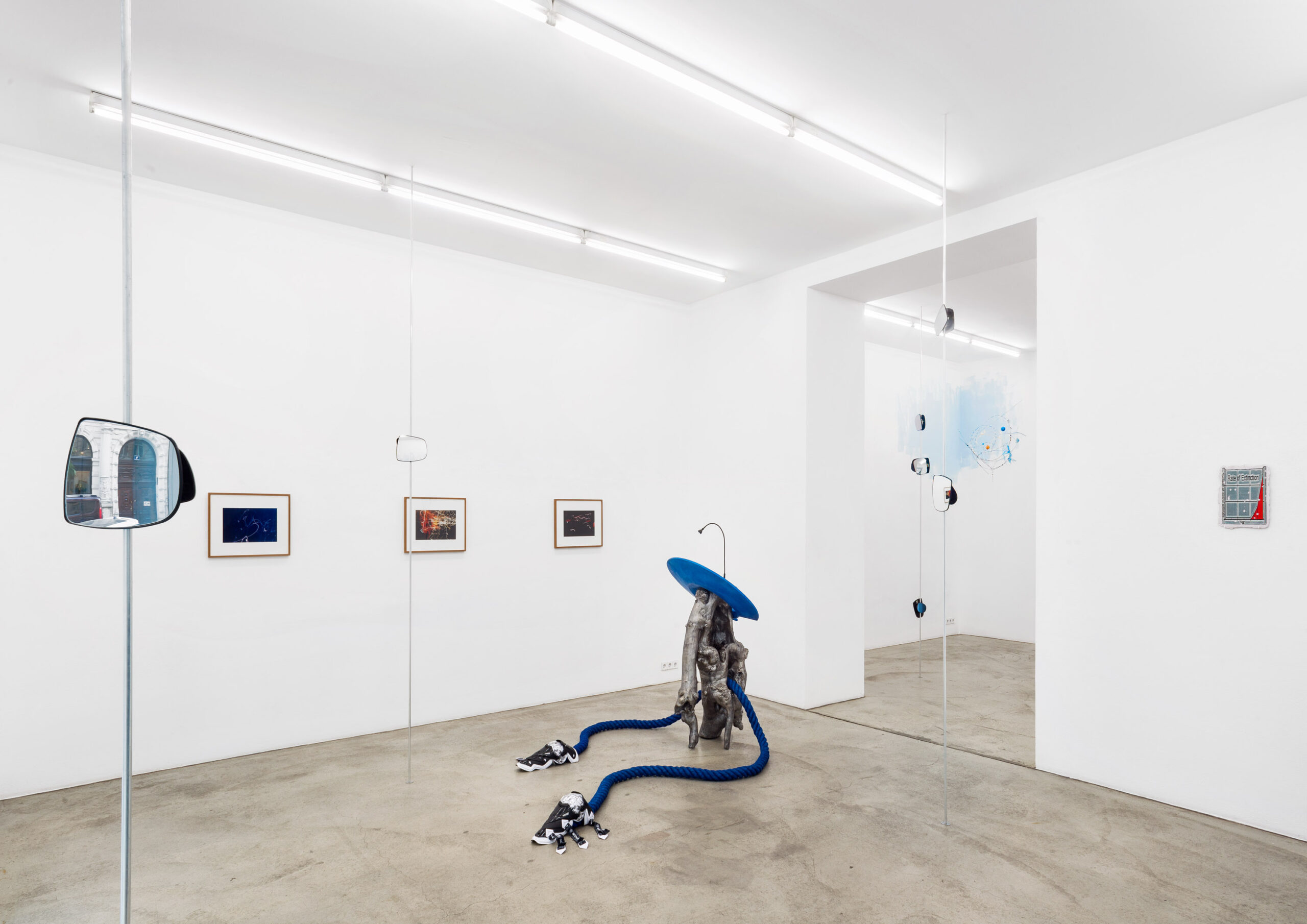
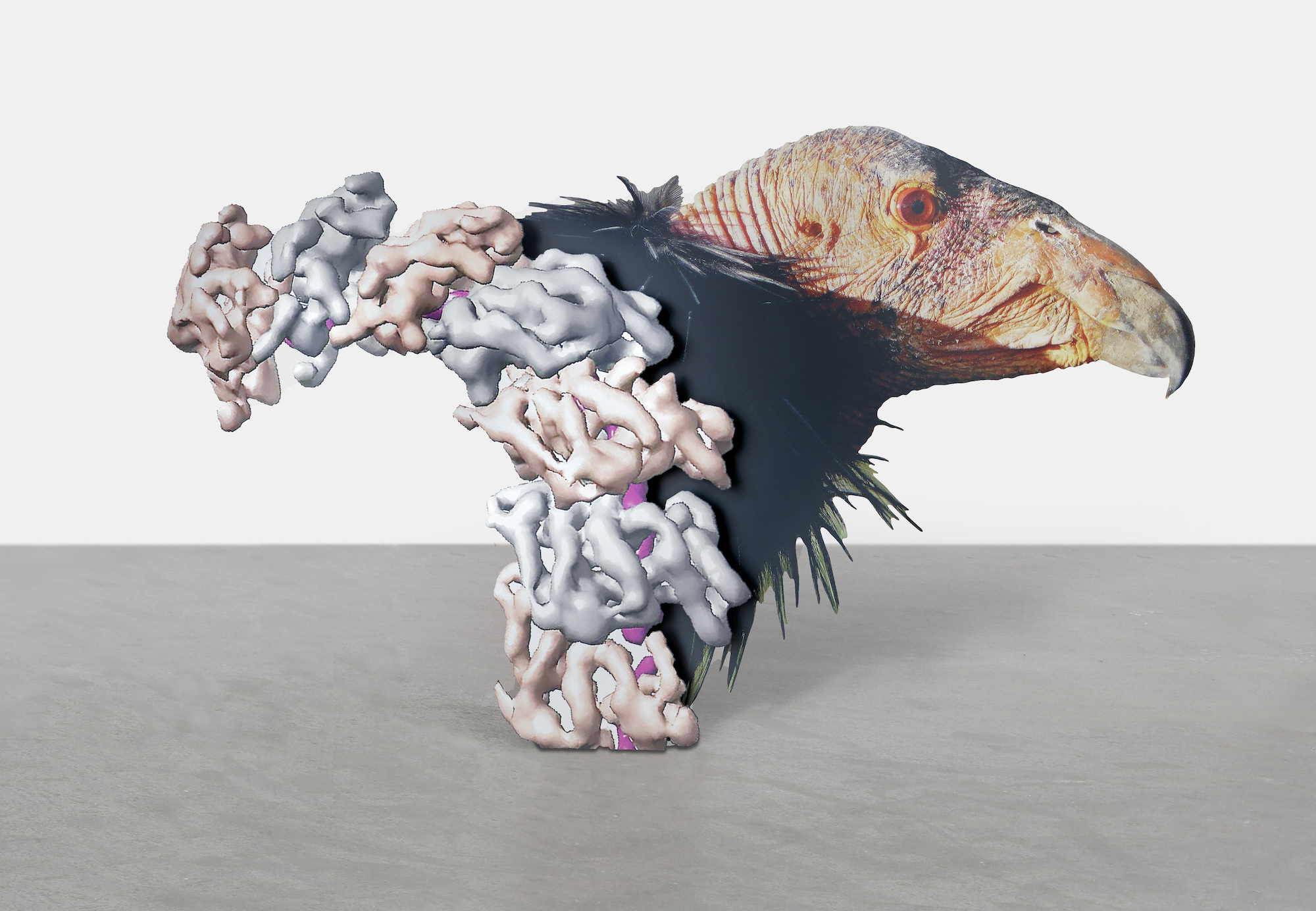
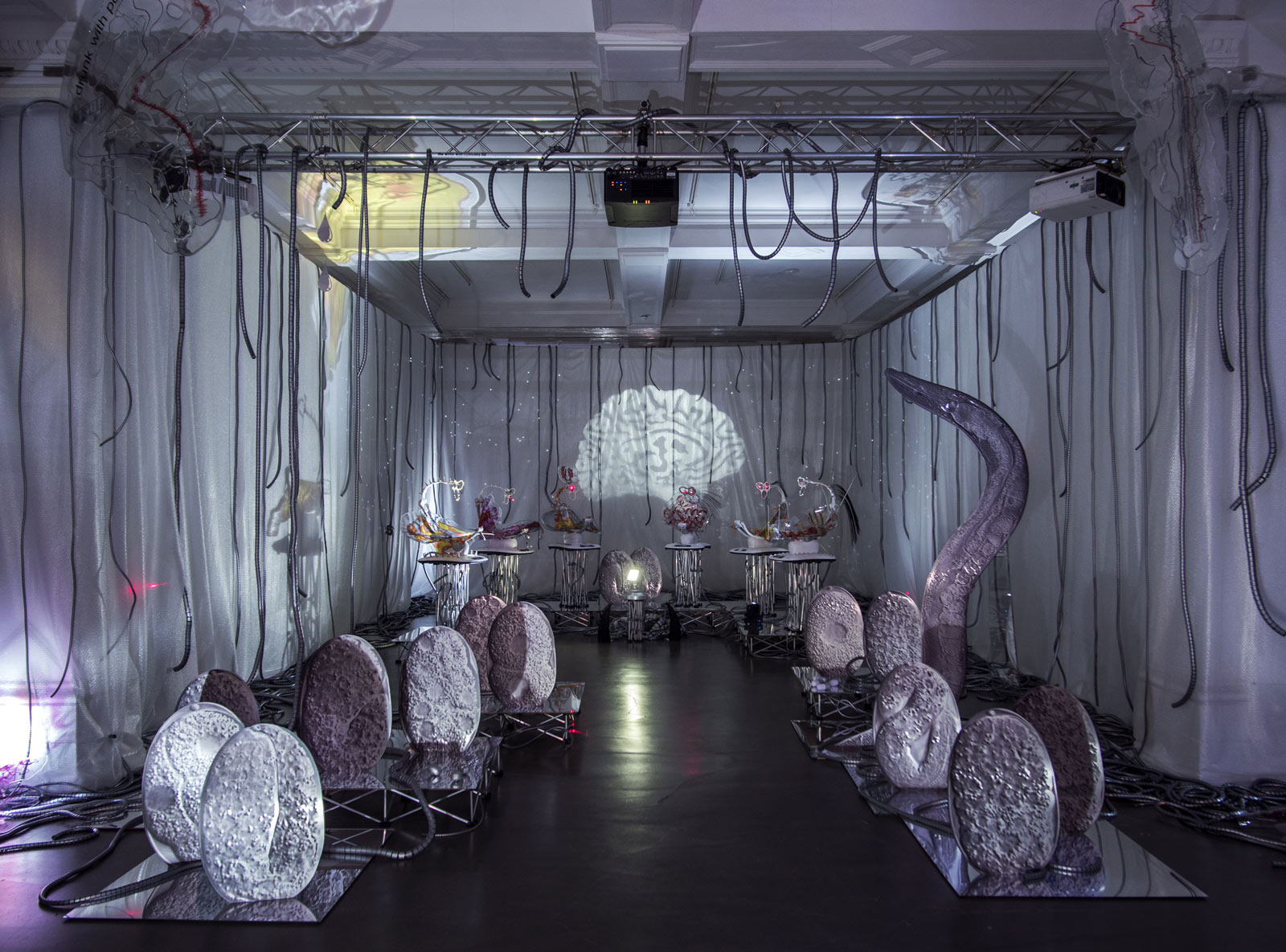
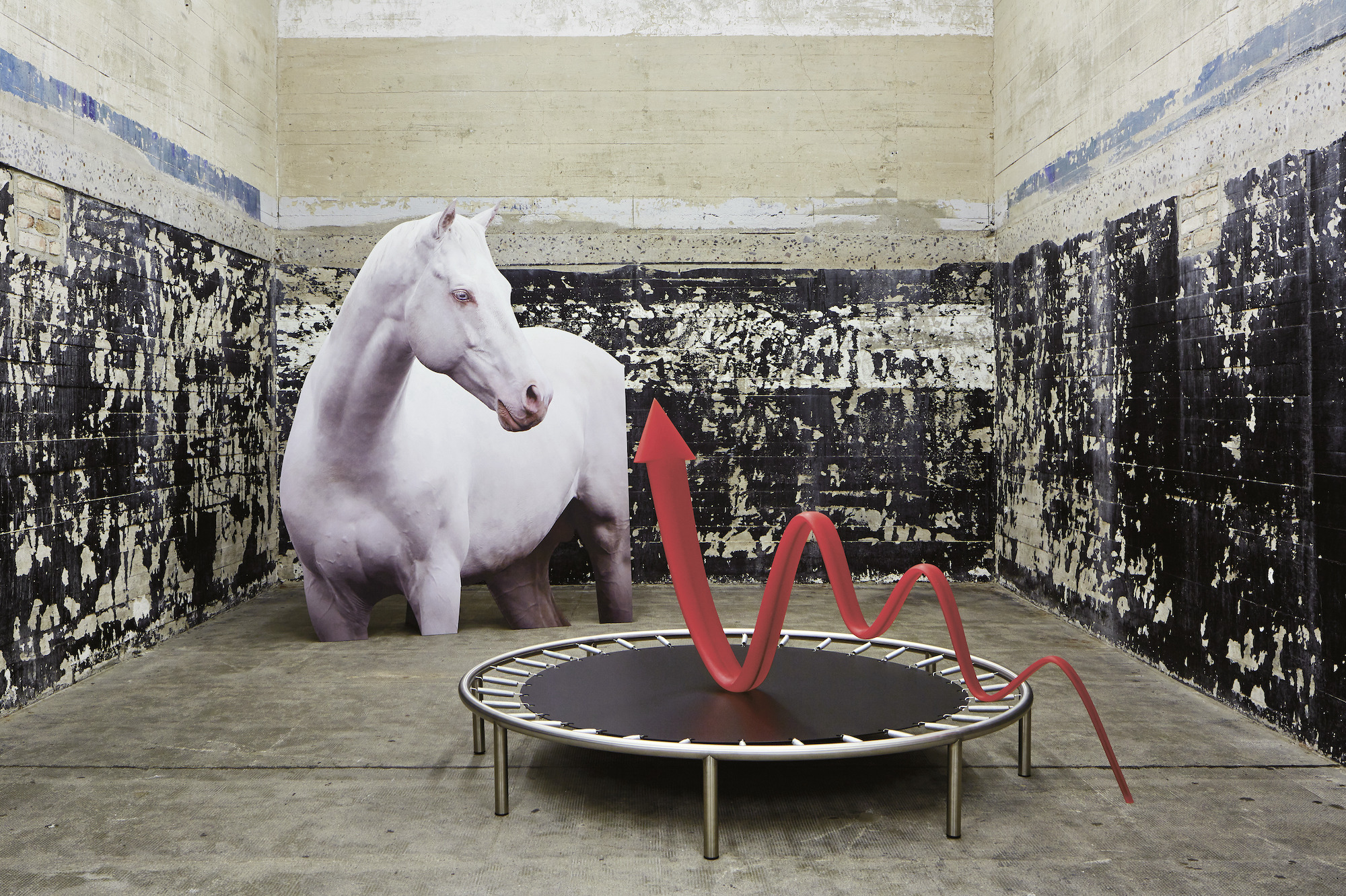
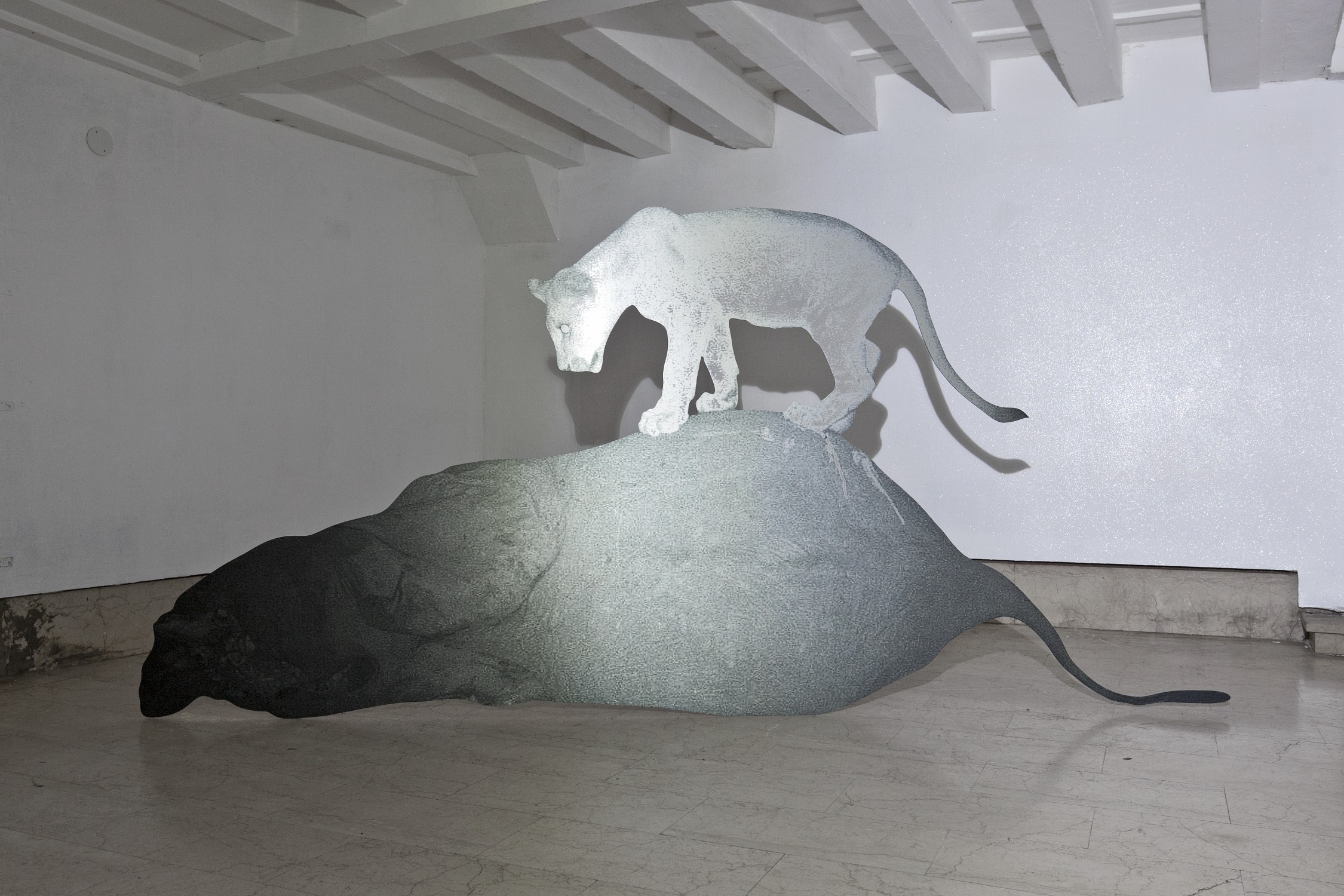
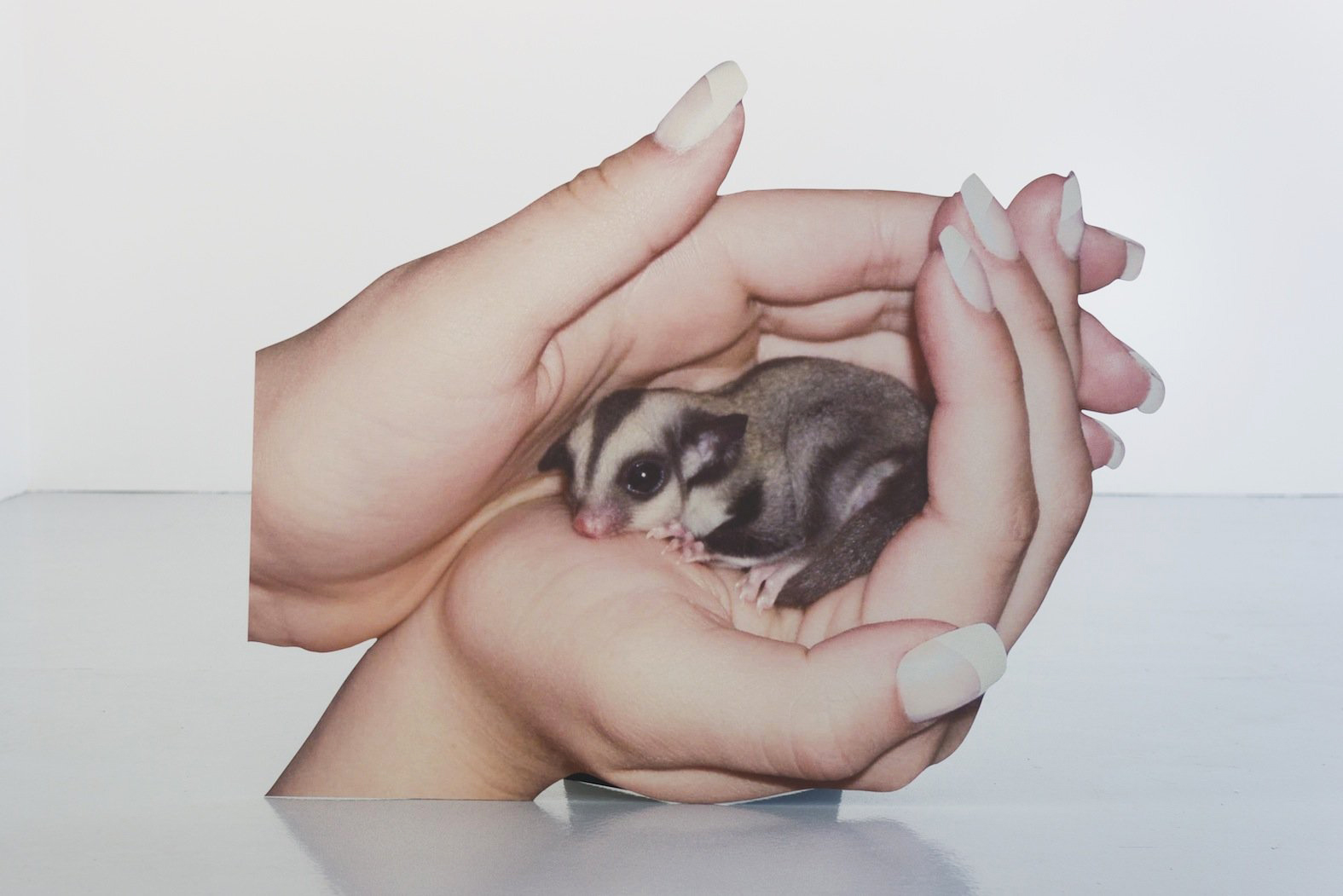
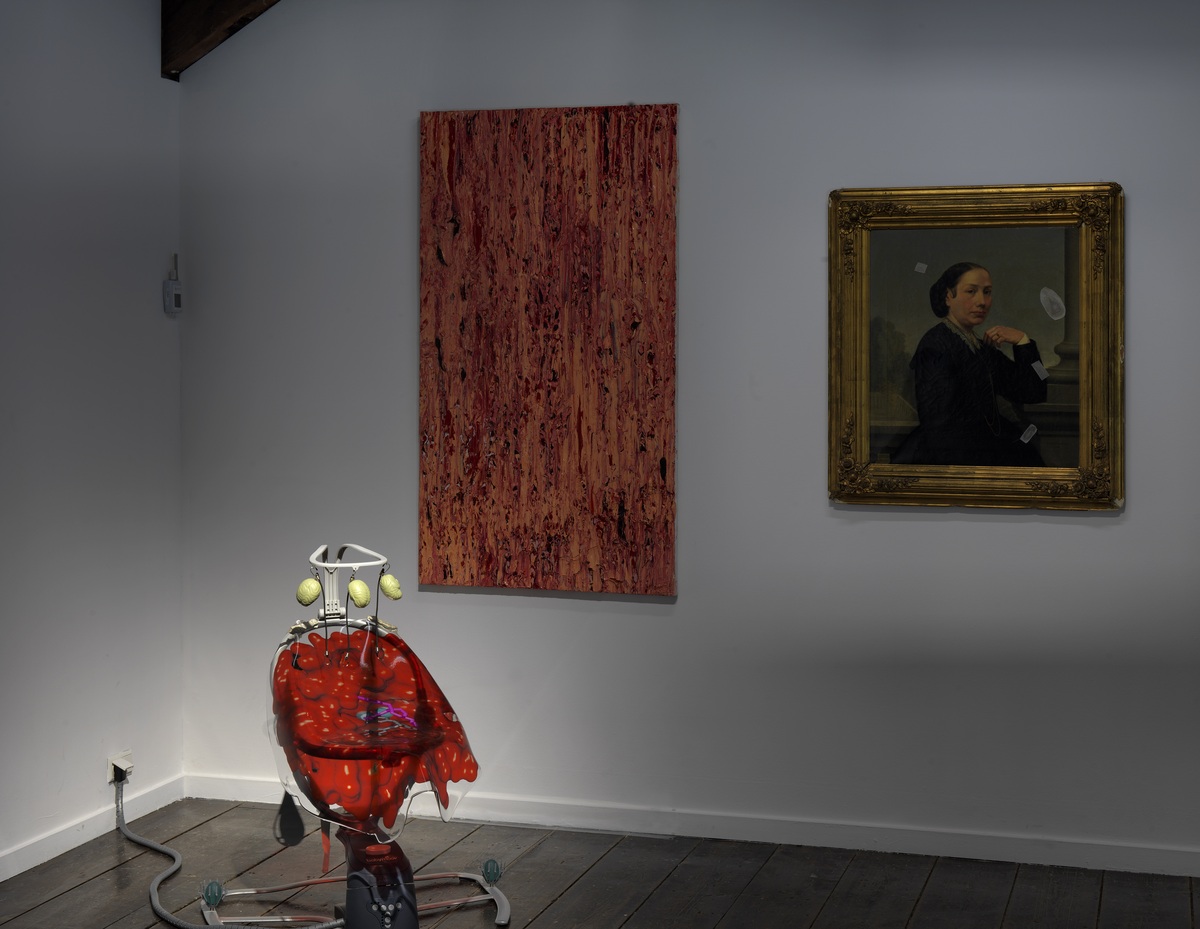
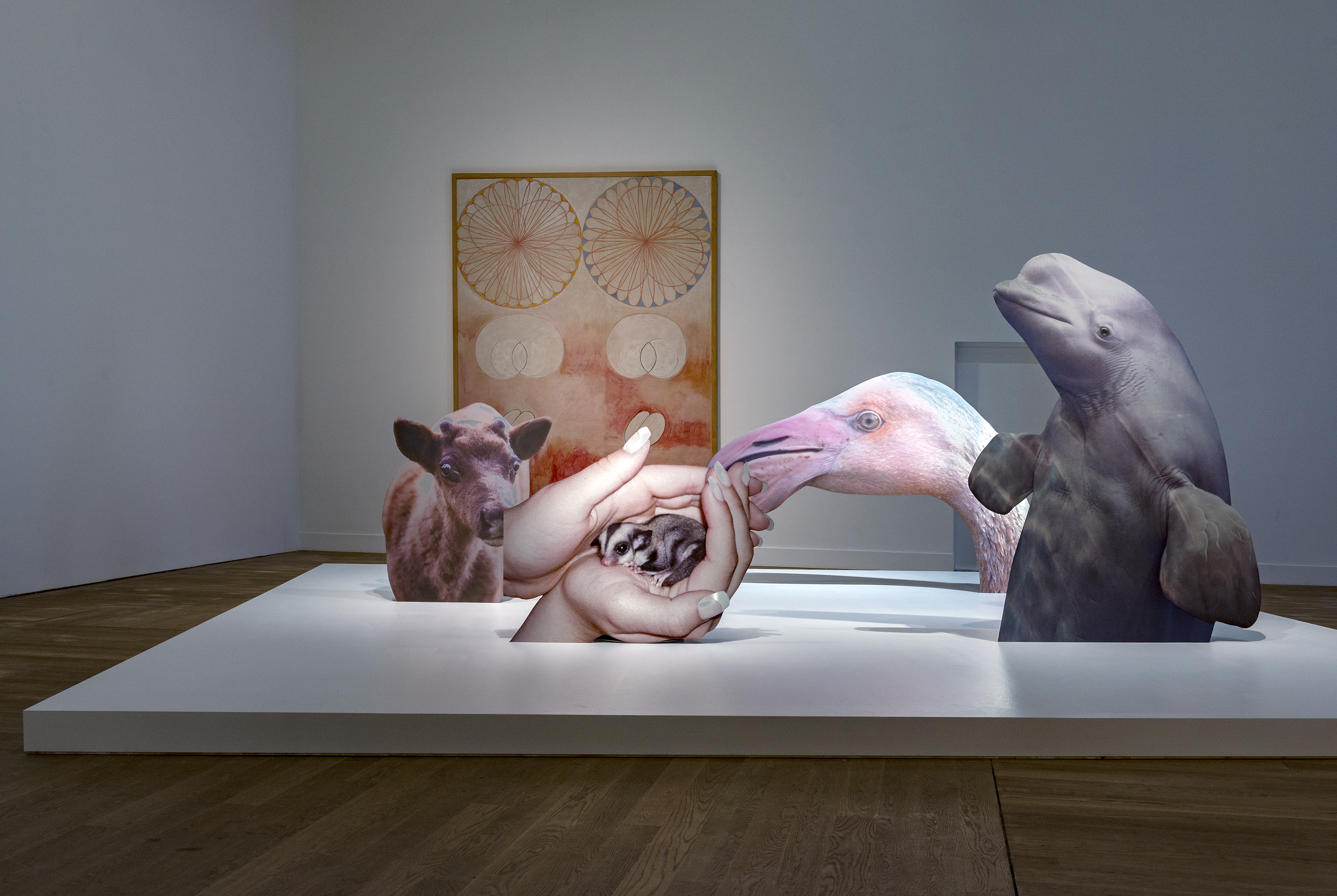
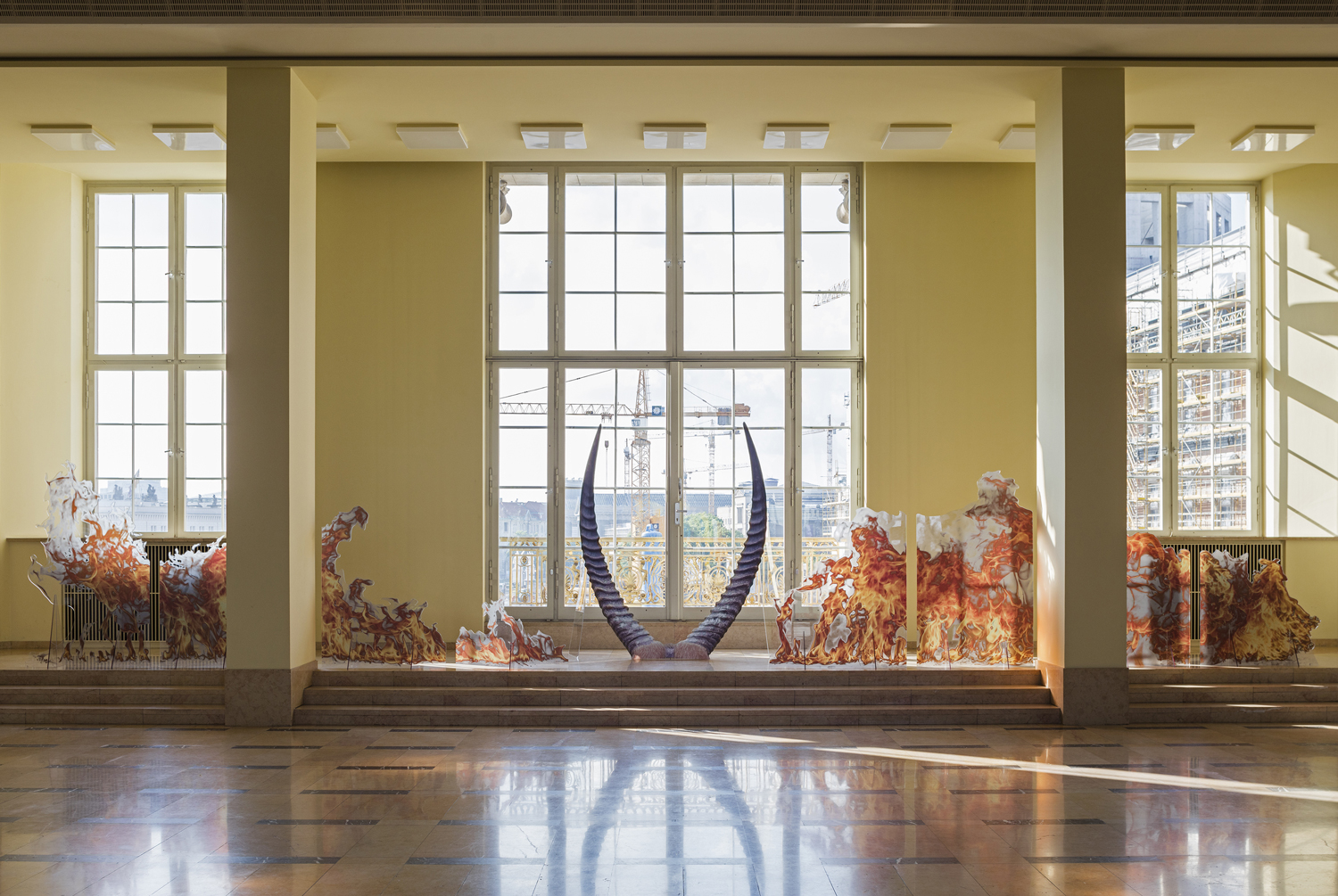
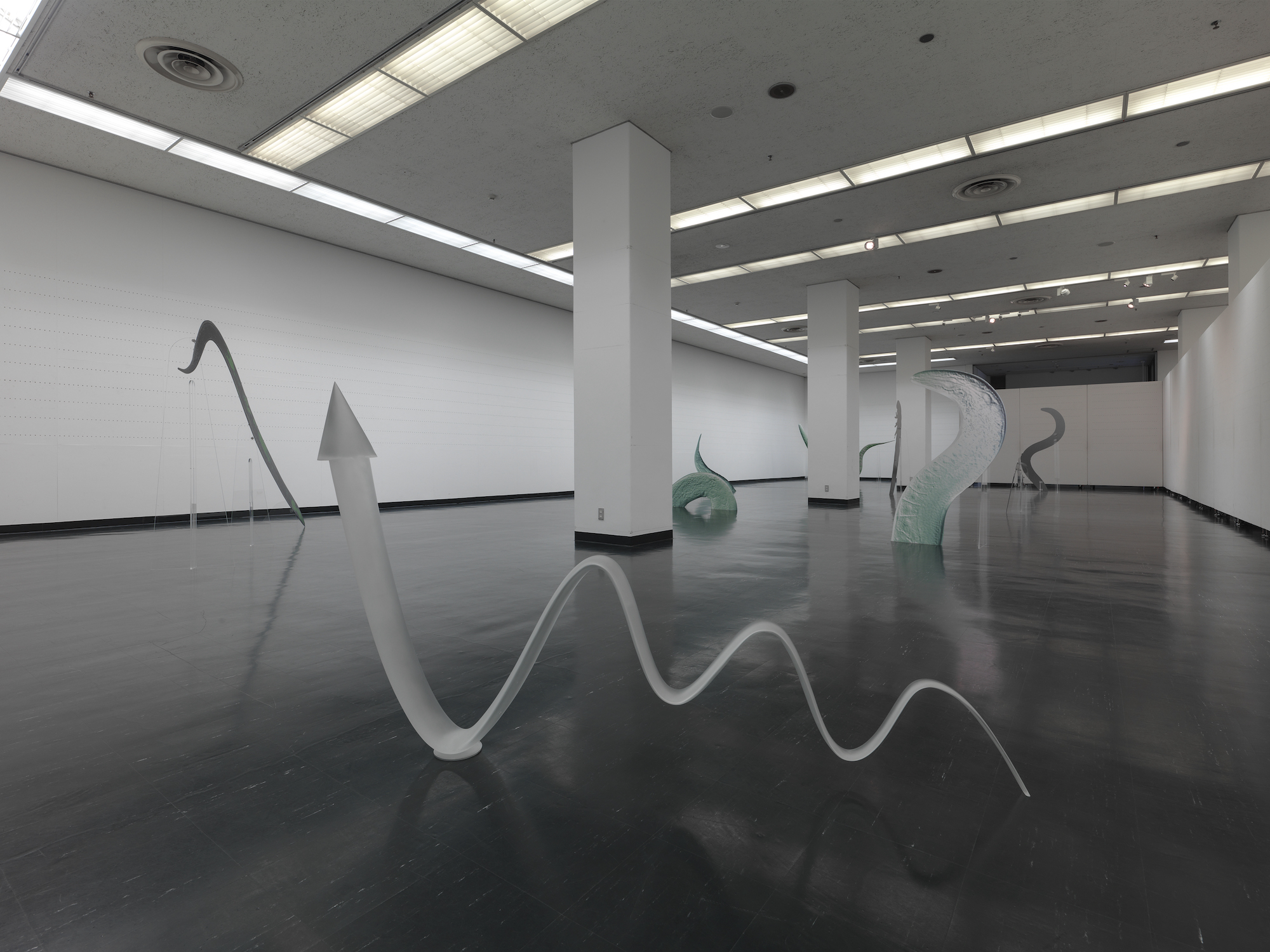
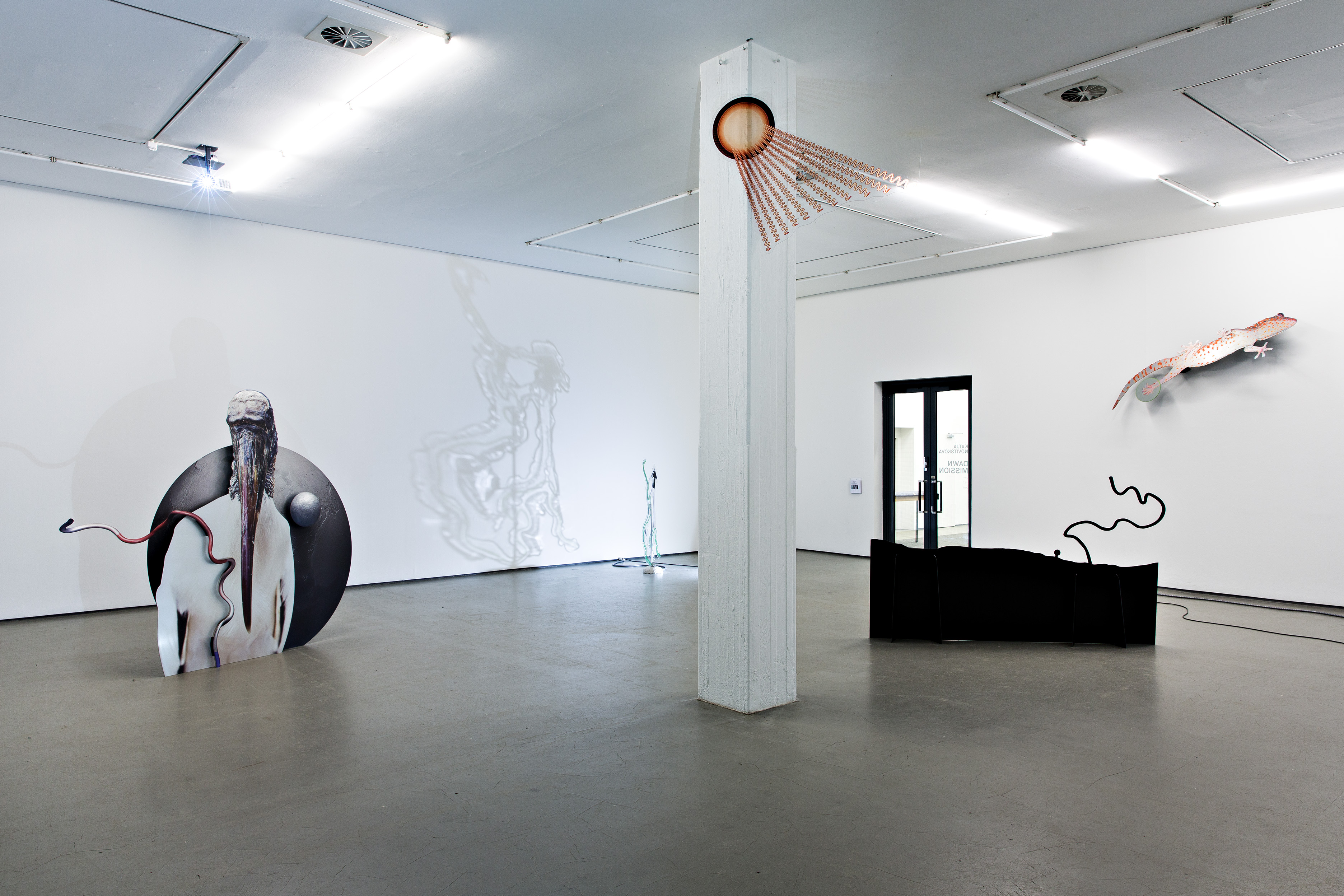
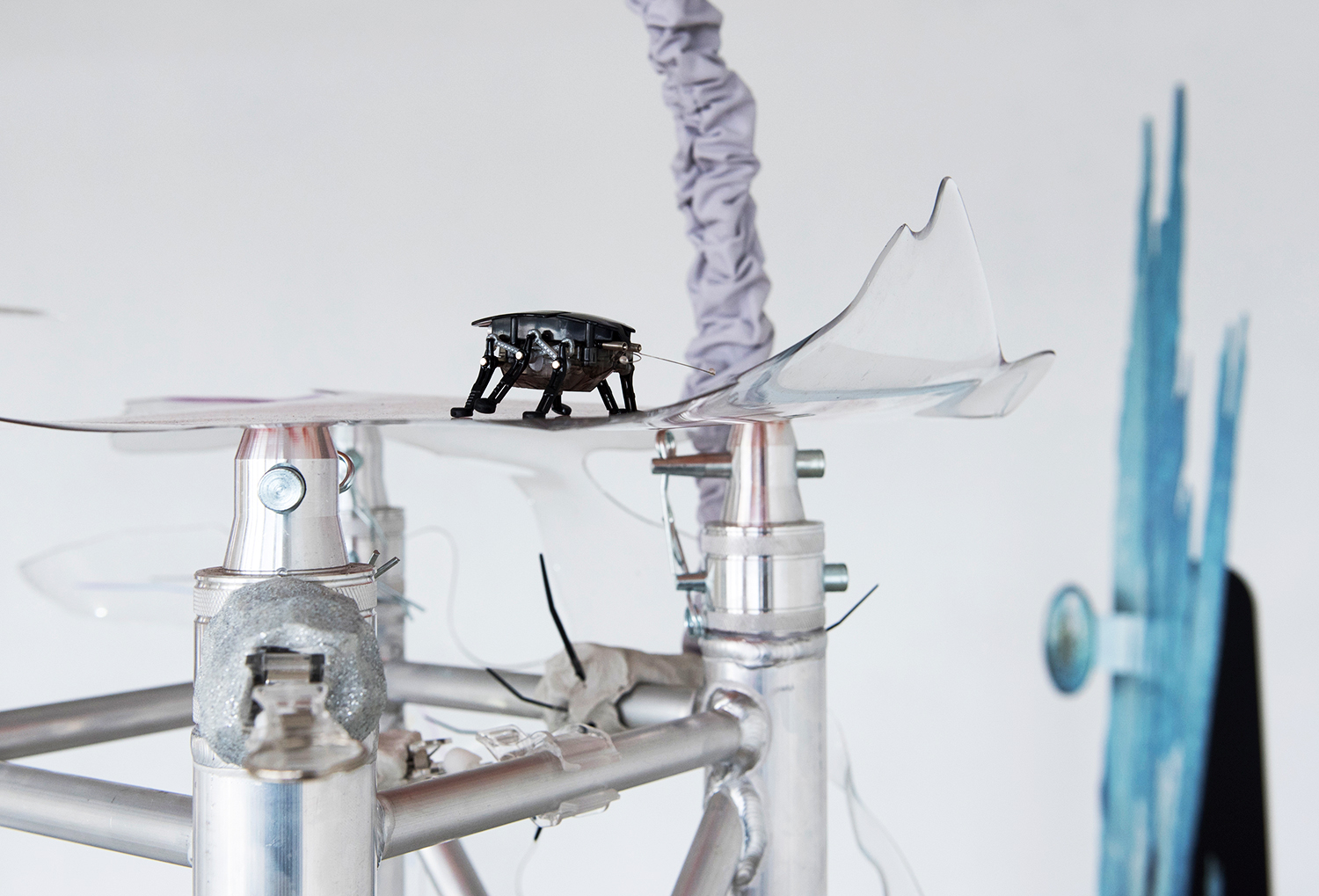
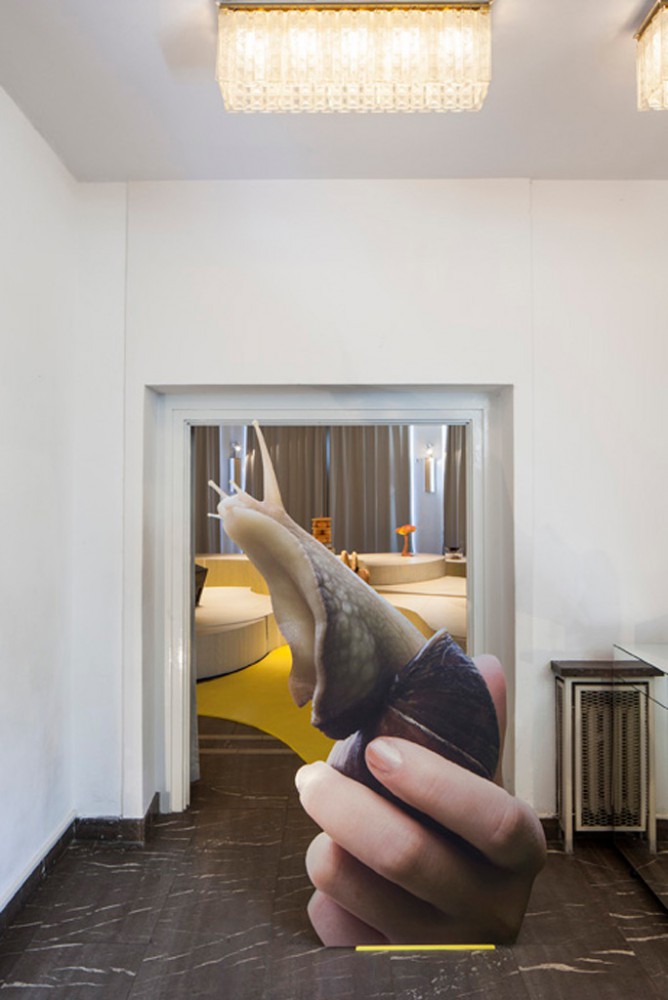
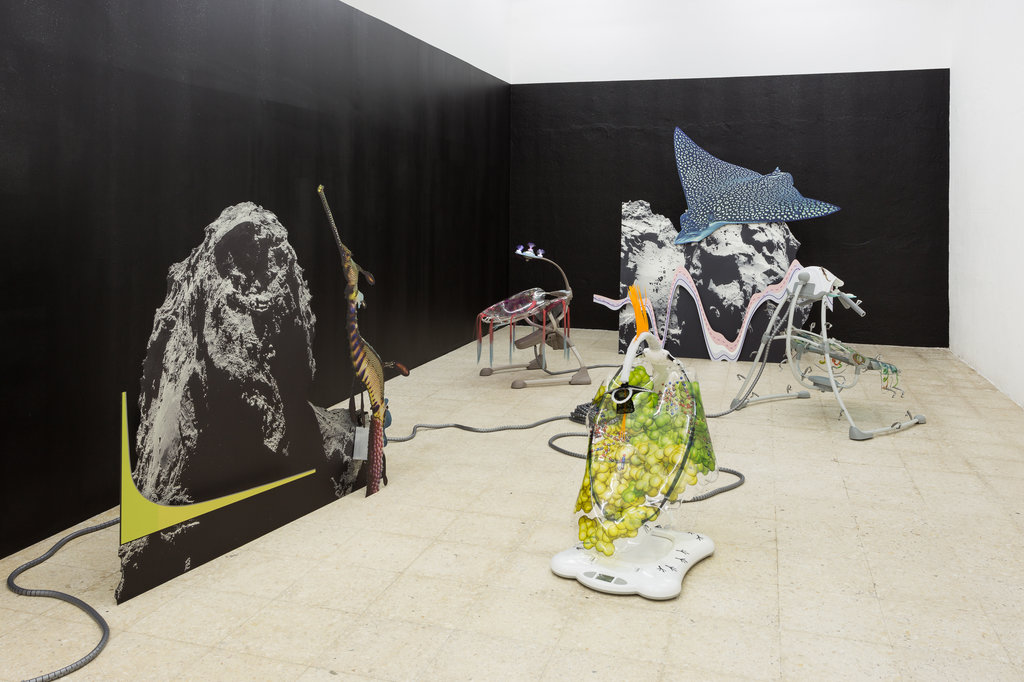
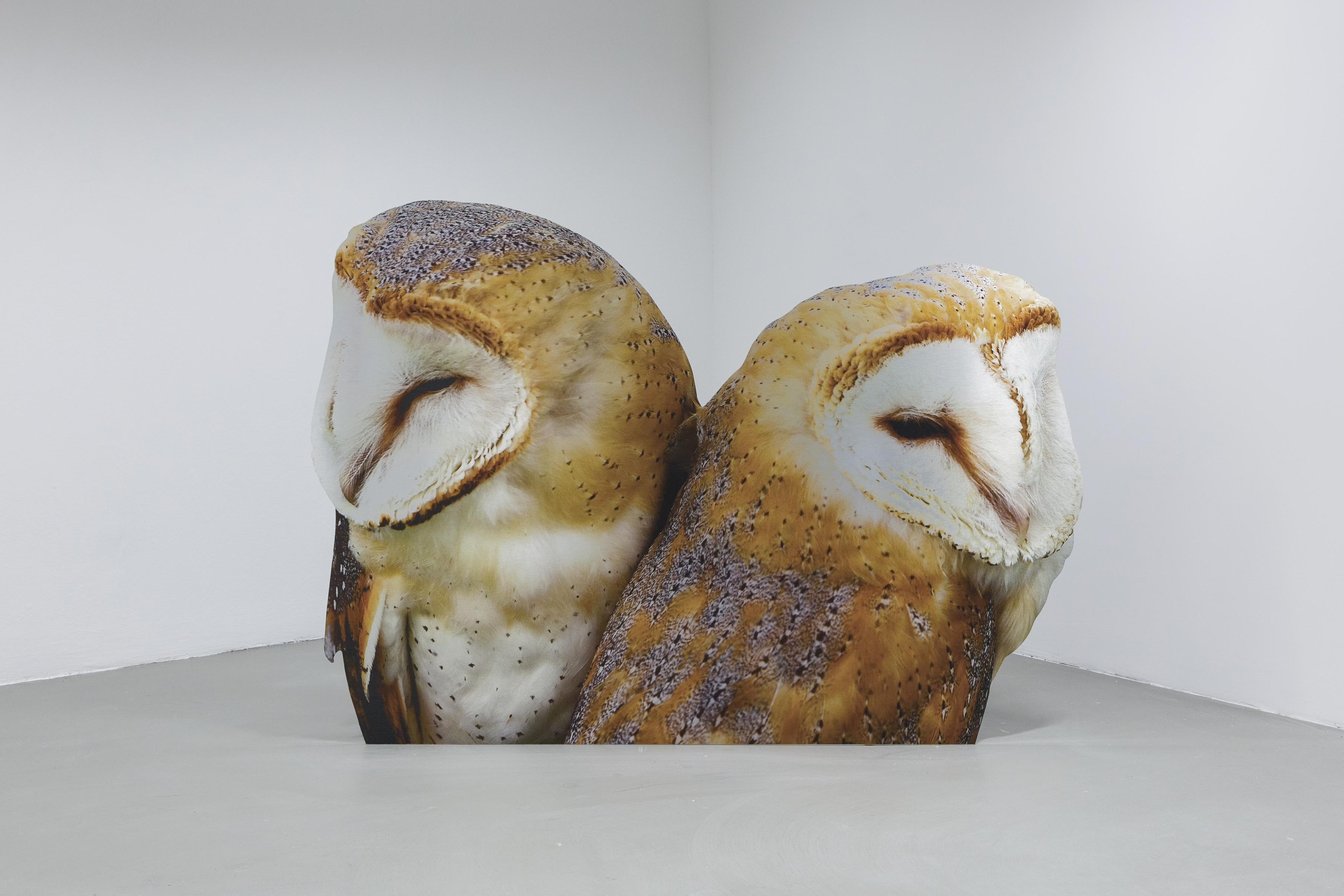
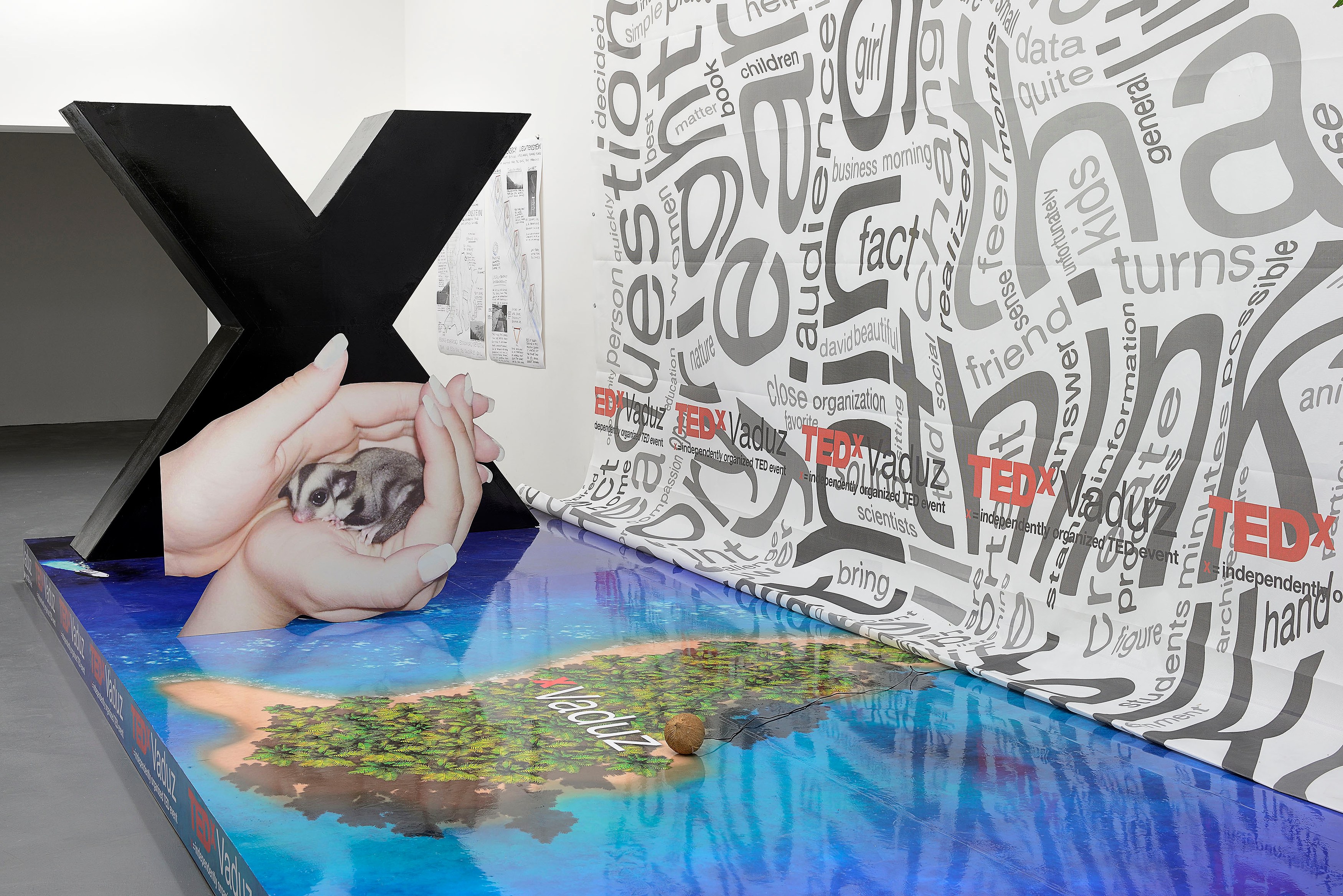
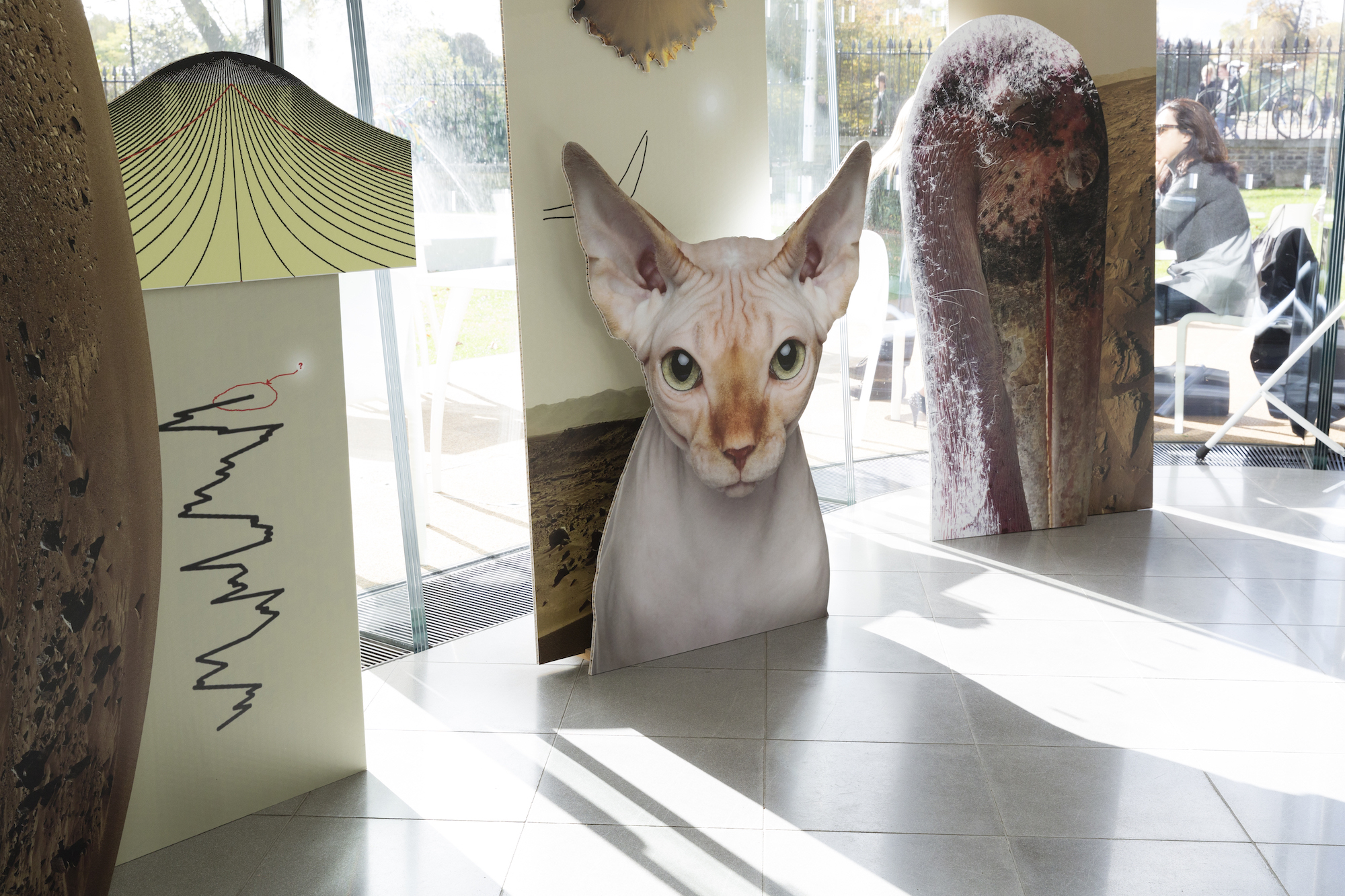
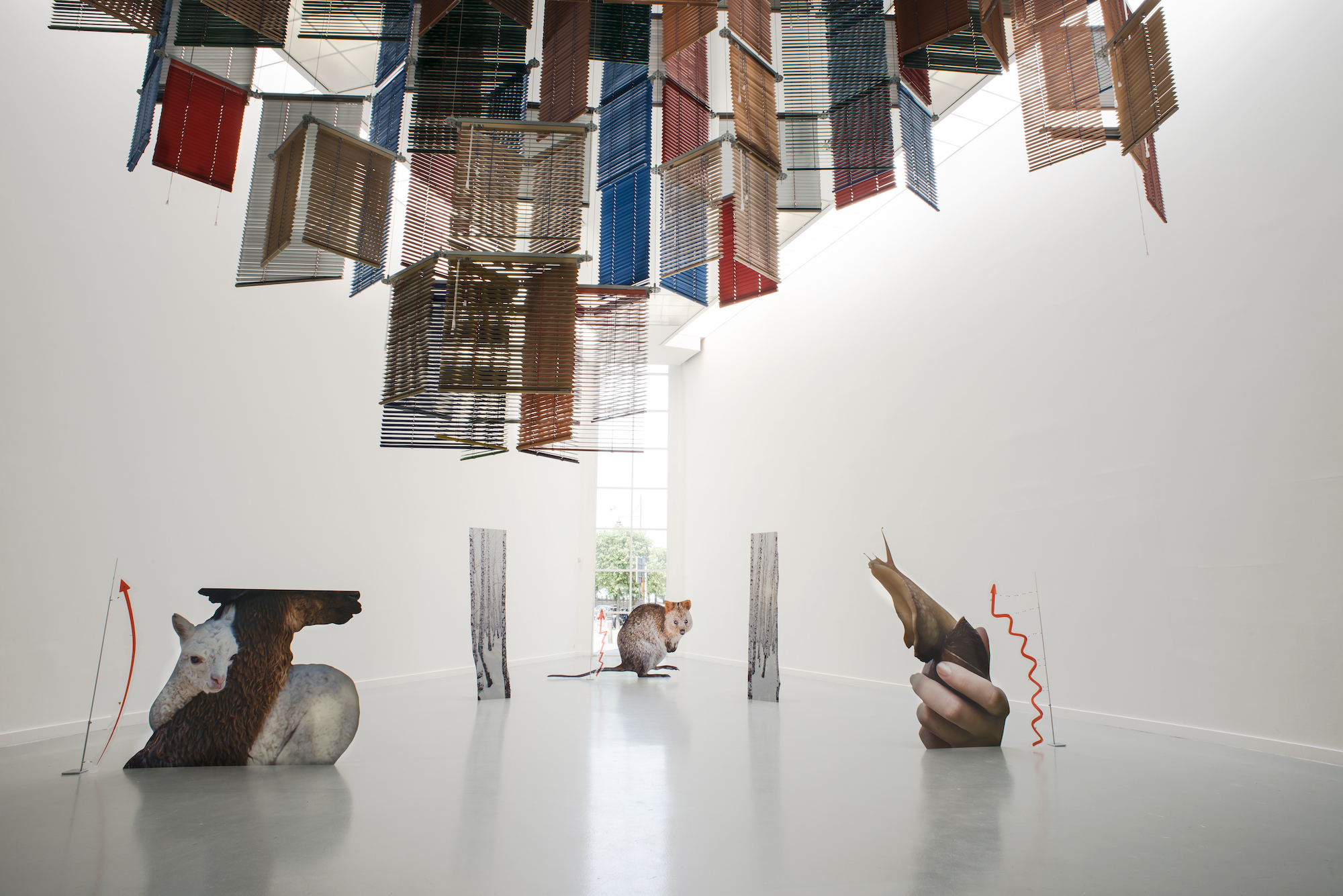
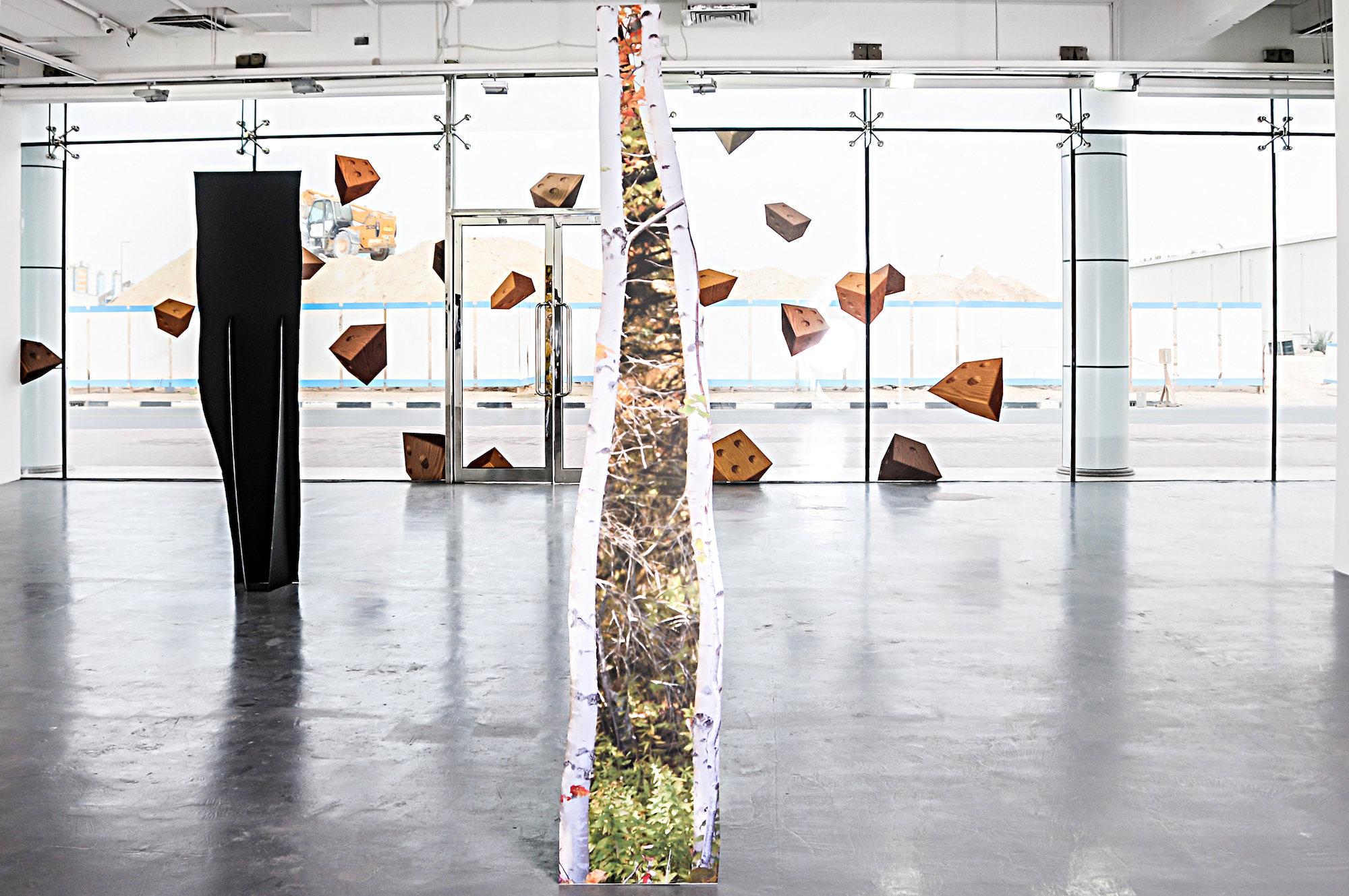
De-classing has become a prominent international style. Proposing a different relationship to materiality, some sort of deviant systems are at stake in the works, exploring the limits of objects and assemblages, exploring uncommon spaces of possibility. Fluids, liquids, deliquescence (as motifs, materials or images) become the metaphors for the global contamination of aesthetic categories that once formed a (no longer) valid grid to understand contemporaneity and its forms. De-classing is an attempt to formalize the deny (or deconstruction) of taxonomies, of boundaries and differentiations between high and low, horizontality and verticality, object and image, virtual and real, past and present, ignorance and knowledge, activity and passivity, singularity and standardization, etc. An important tool for this is often to be found in the “ready-web”: the intrusion of a unlimited resource, a global access effectively operating an effective de-classing of cognitive systems, as well as, in reverse, accelerating a surprising return to materiality.
C
Tension between singularity and standardization is particularly echoed into a temporal irresolution in the works. An indecision that Gilles Deleuze’s concept of the “crystal-image” echoes. The crystal-image, originally employed to discuss cinema, is a shot that fuses the pastness of the recorded event with the presentness of its viewing. The crystal-image is the indivisible unity of the virtual image and the actual image. The virtual image is subjective, in the past, and recollected. The virtual image as “pure recollection” exists outside of consciousness, in time. It is always somewhere in the temporal past, but still alive and ready to be “recalled” by an actual image. The actual image is objective, in the present, and perceived. The crystal-image always lives at the limit of an indiscernible actual and virtual image. The crystal-image shapes time as a constant two-way mirror that splits the present into two heterogeneous directions, “one of which is launched towards the future while the other falls into the past. Time consists of this split, and it is … time, that we see in the crystal” (Gilles Deleuze, Cinema 2, p. 81). Using Deleuze’s concept we could speak of crystal-object.
D
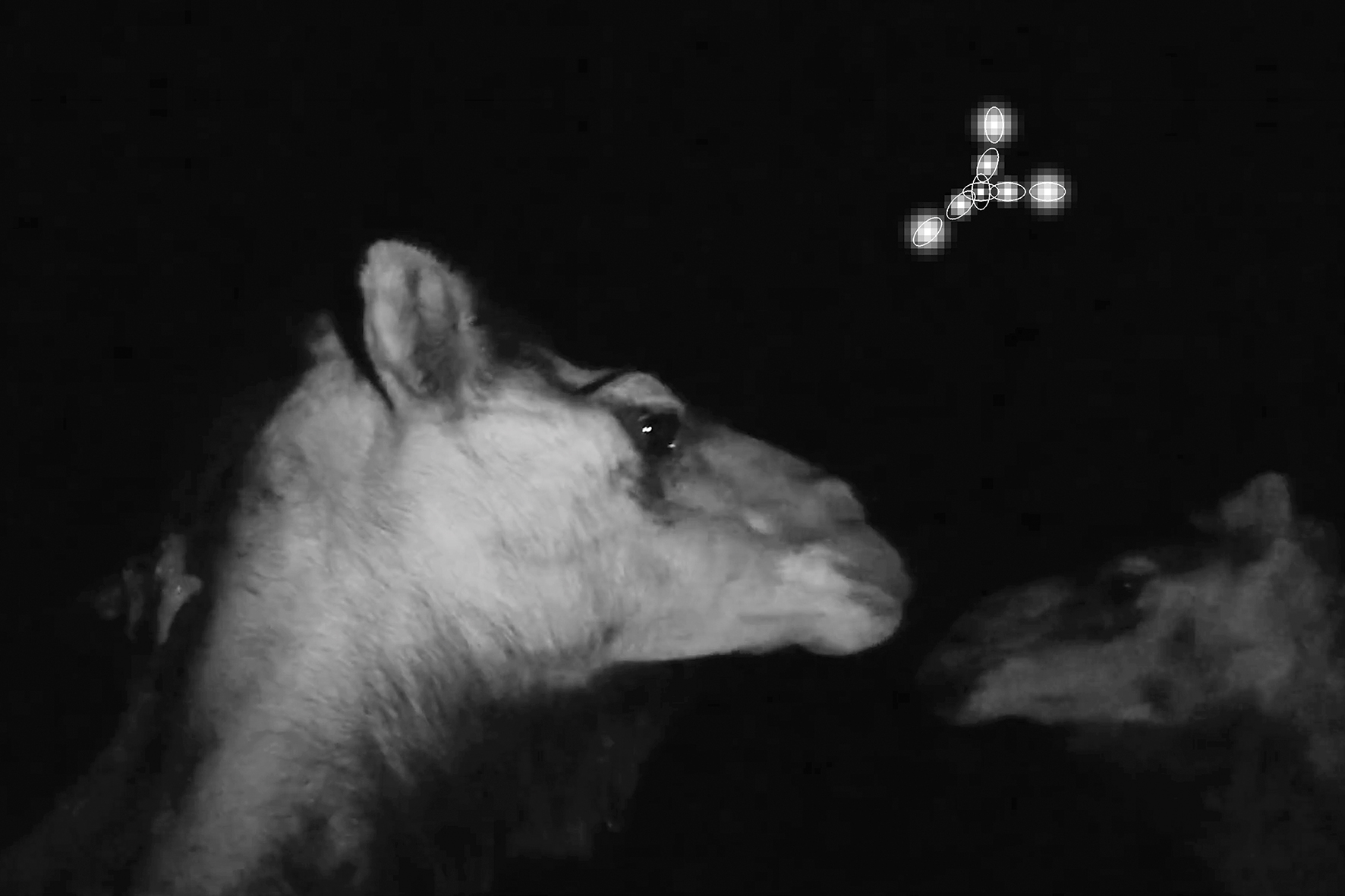
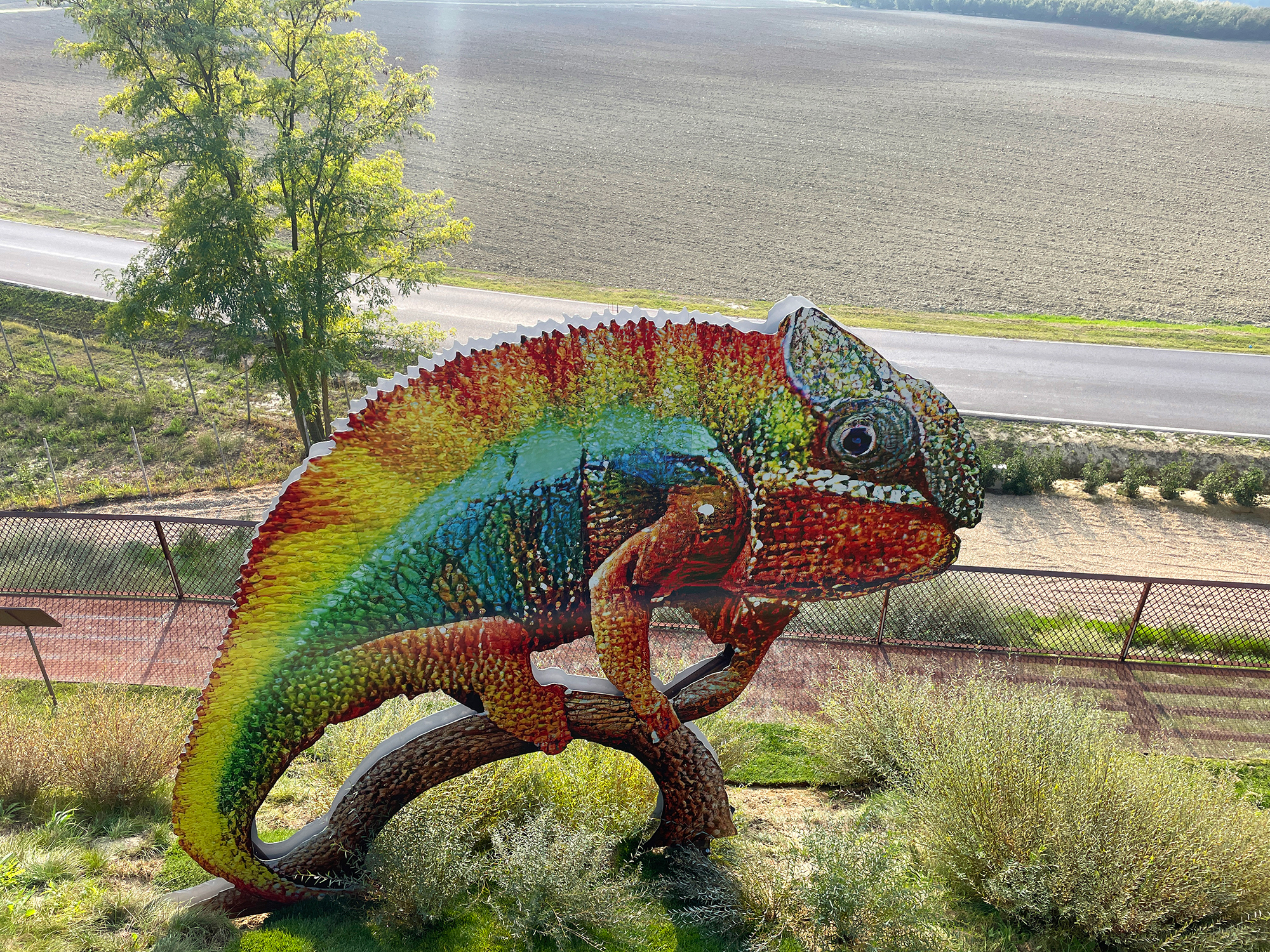
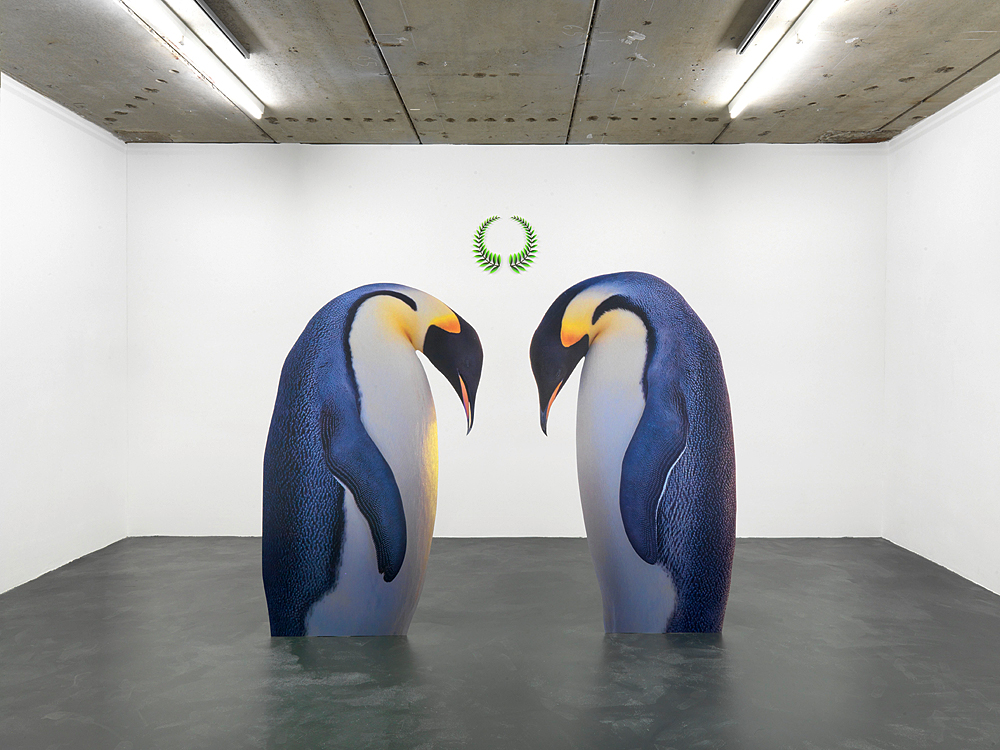
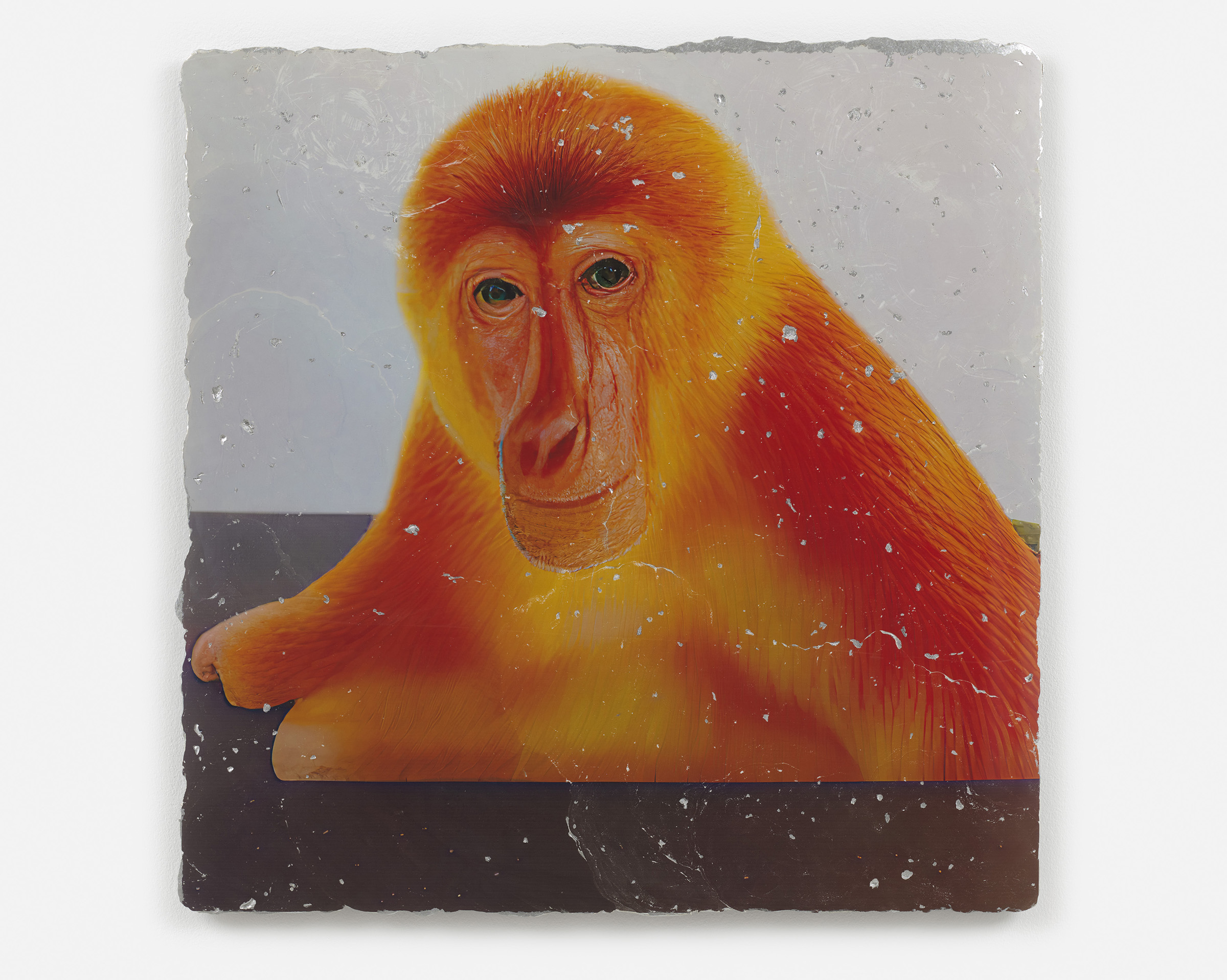
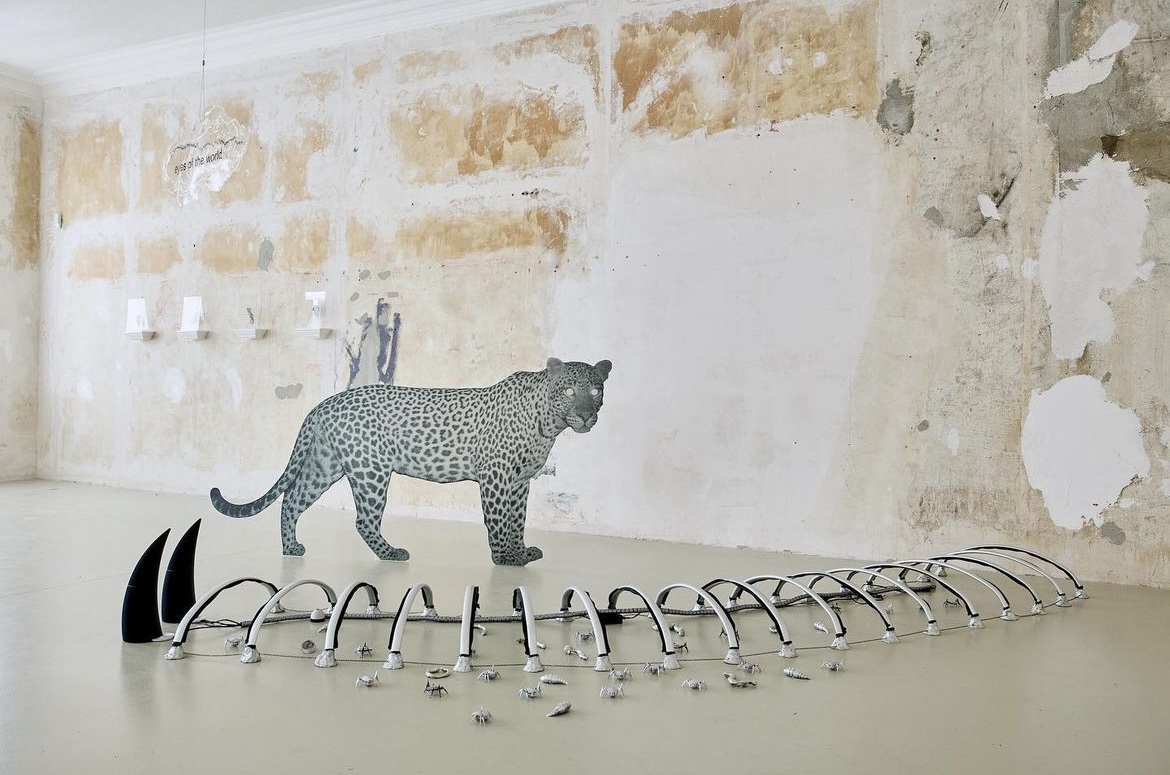
The works, and their often multiple, contradictory, simultaneous forms and concepts (as infused by their materials, techniques, colours and their inner symbolism, the way they are shown, the way they are discussed, the way they are documented, etc) are “crystal-objects”, fluctuating between actual and virtual, recording or dealing with conscious or involuntary memories, confusing mental and physical time. Post-modernism & Conceptual Art & formless & Greenberg & etc. All together, mixed and re-informed, de-classing and crystal-objects.